BIO

BORN
1976 - Aiken, SC

EDUCATION
1999 - BFA, University of South Carolina

SELECT CLIENTS
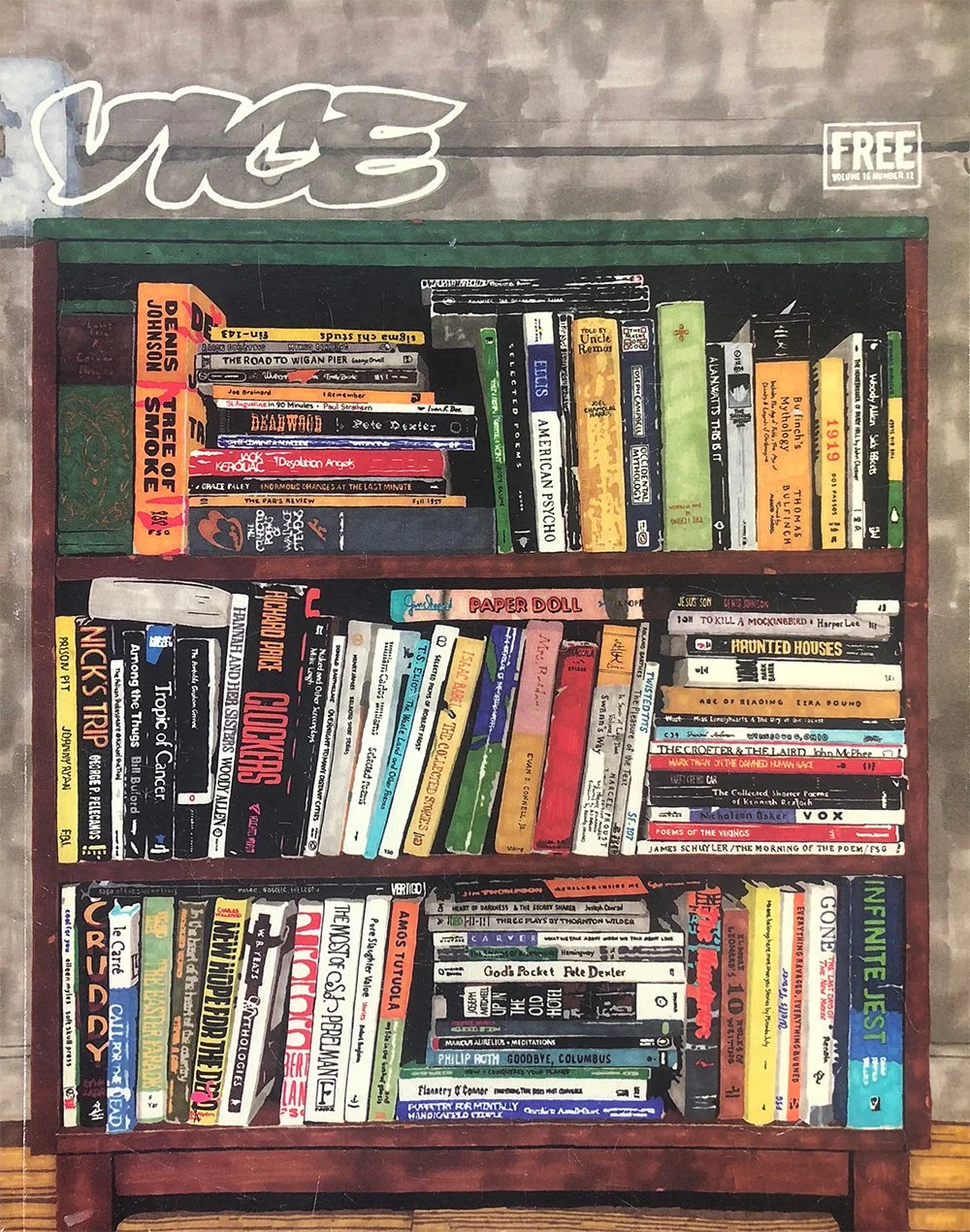
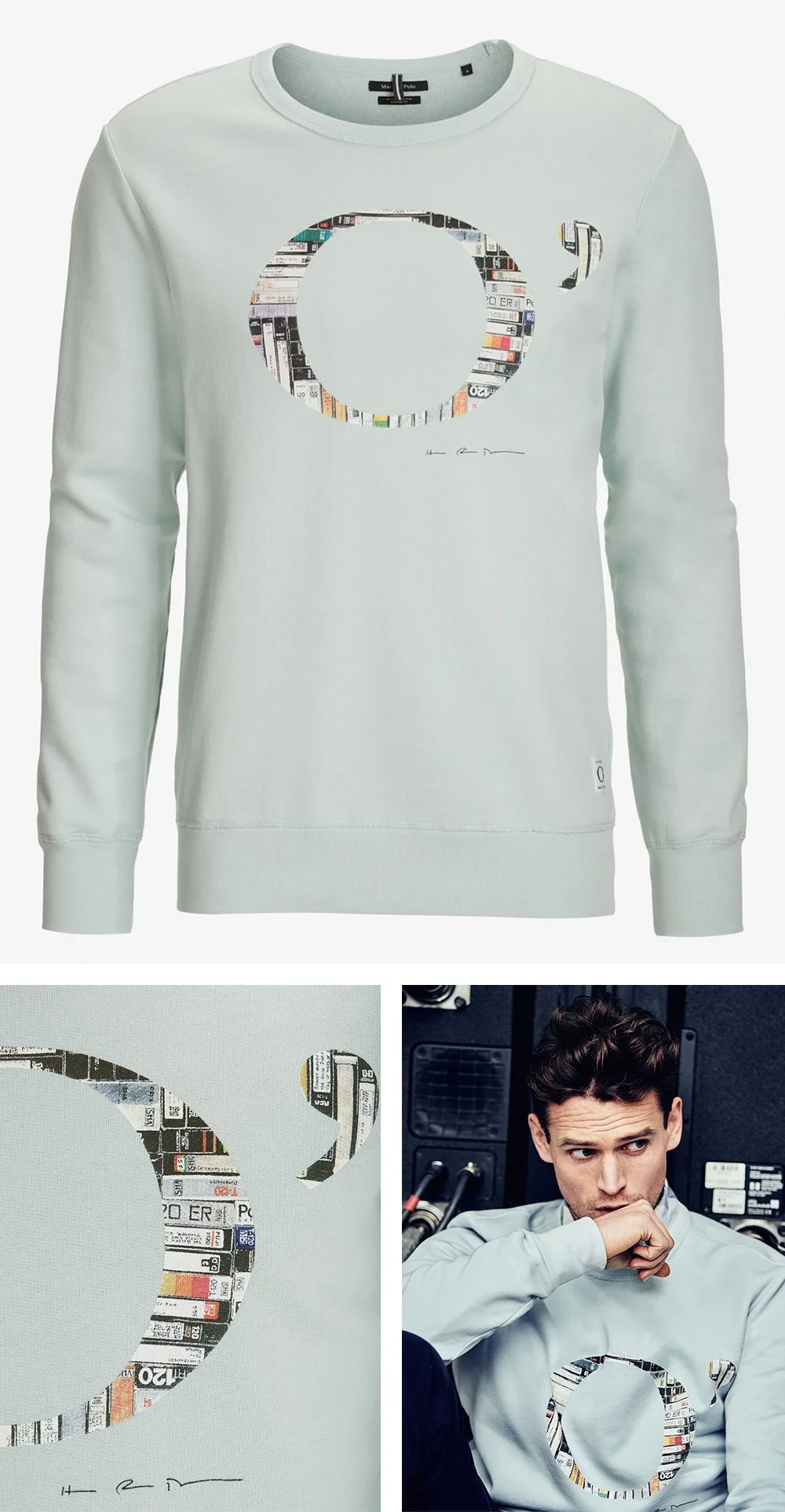
The New Yorker, Netflix, Vice Magazine, Urban Outfitters, Marc O’Polo, Square Enix, Society6, Columbia University Press, in4mation, FM-84

Hollis Brown Thornton, who goes by Brown, is an American artist known for paintings, drawings, and prints that explore memory, fragmentation, and the passage of time. Born in 1976 in Aiken, South Carolina, Thornton earned a BFA from the University of South Carolina in 1999. After living in Chicago from 2001 to 2005, he returned to Aiken, where he continues to work from his warehouse studio.

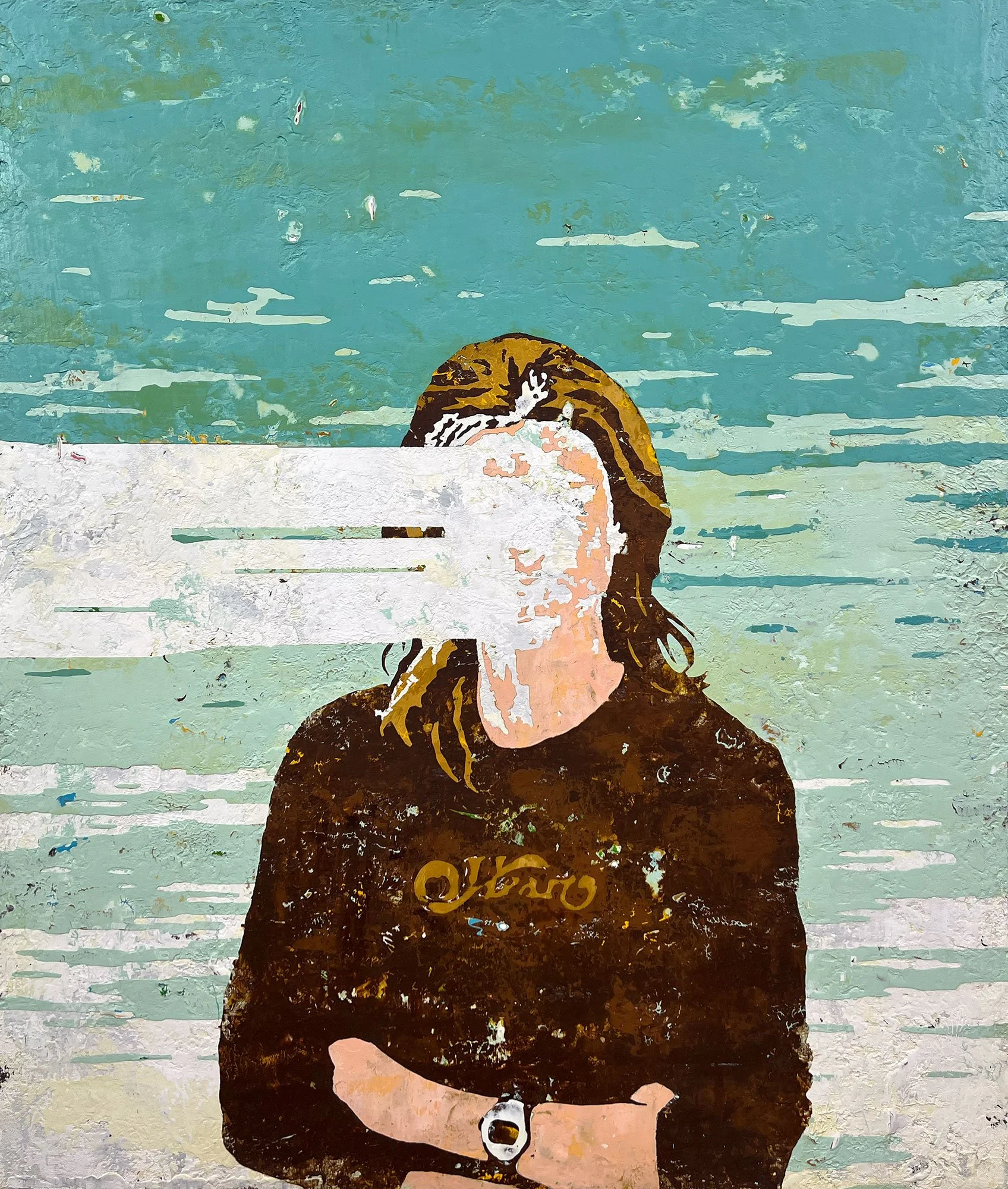
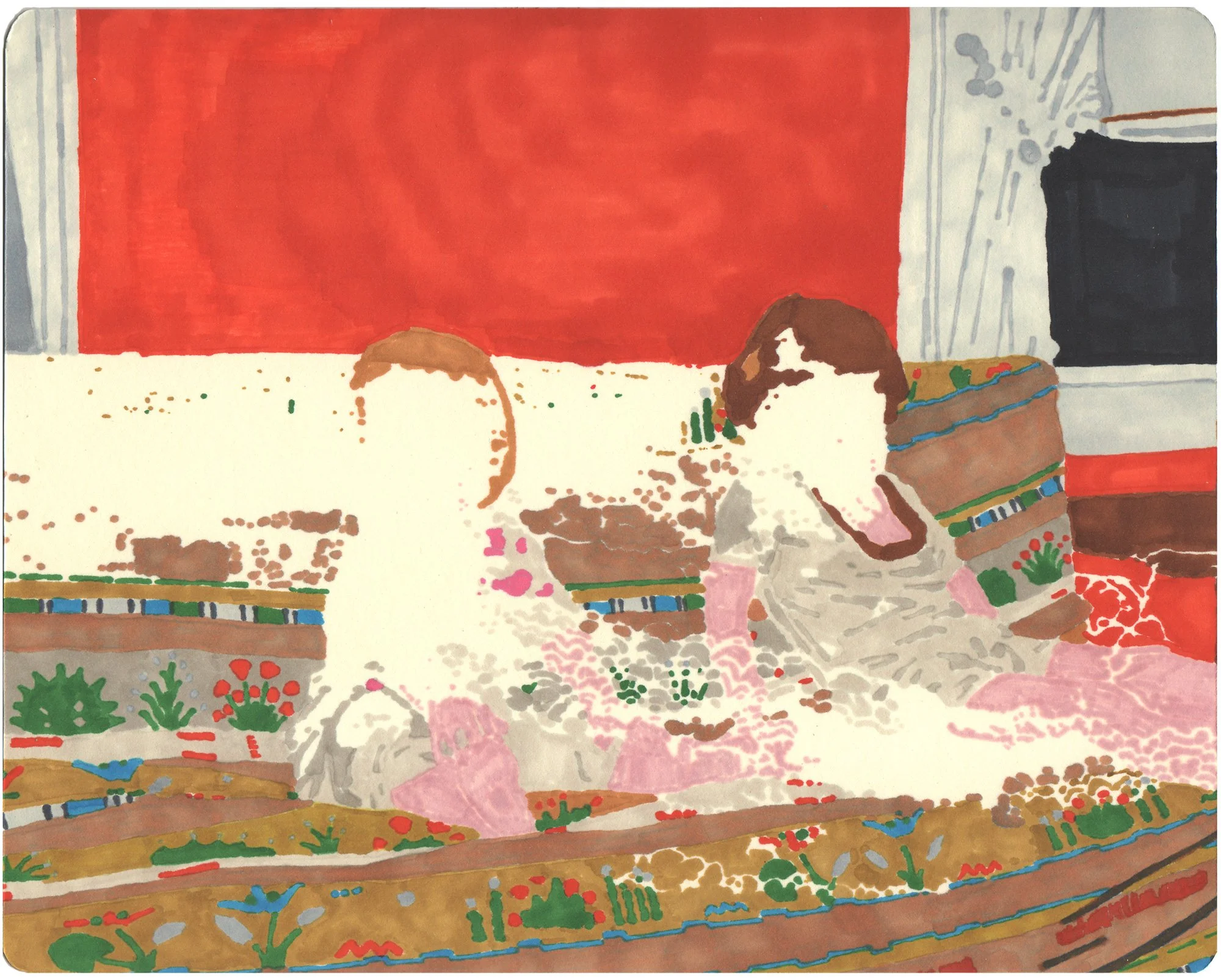
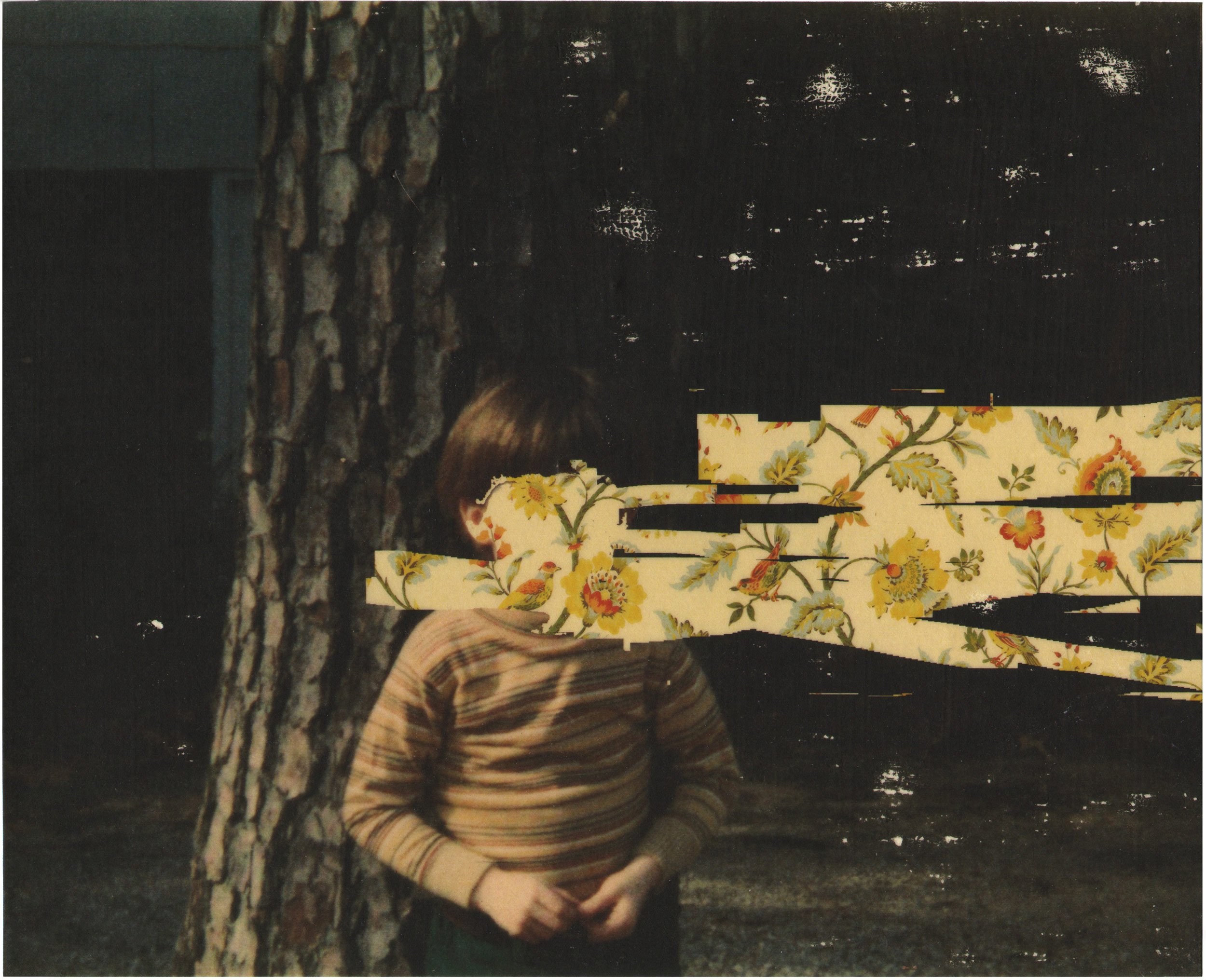
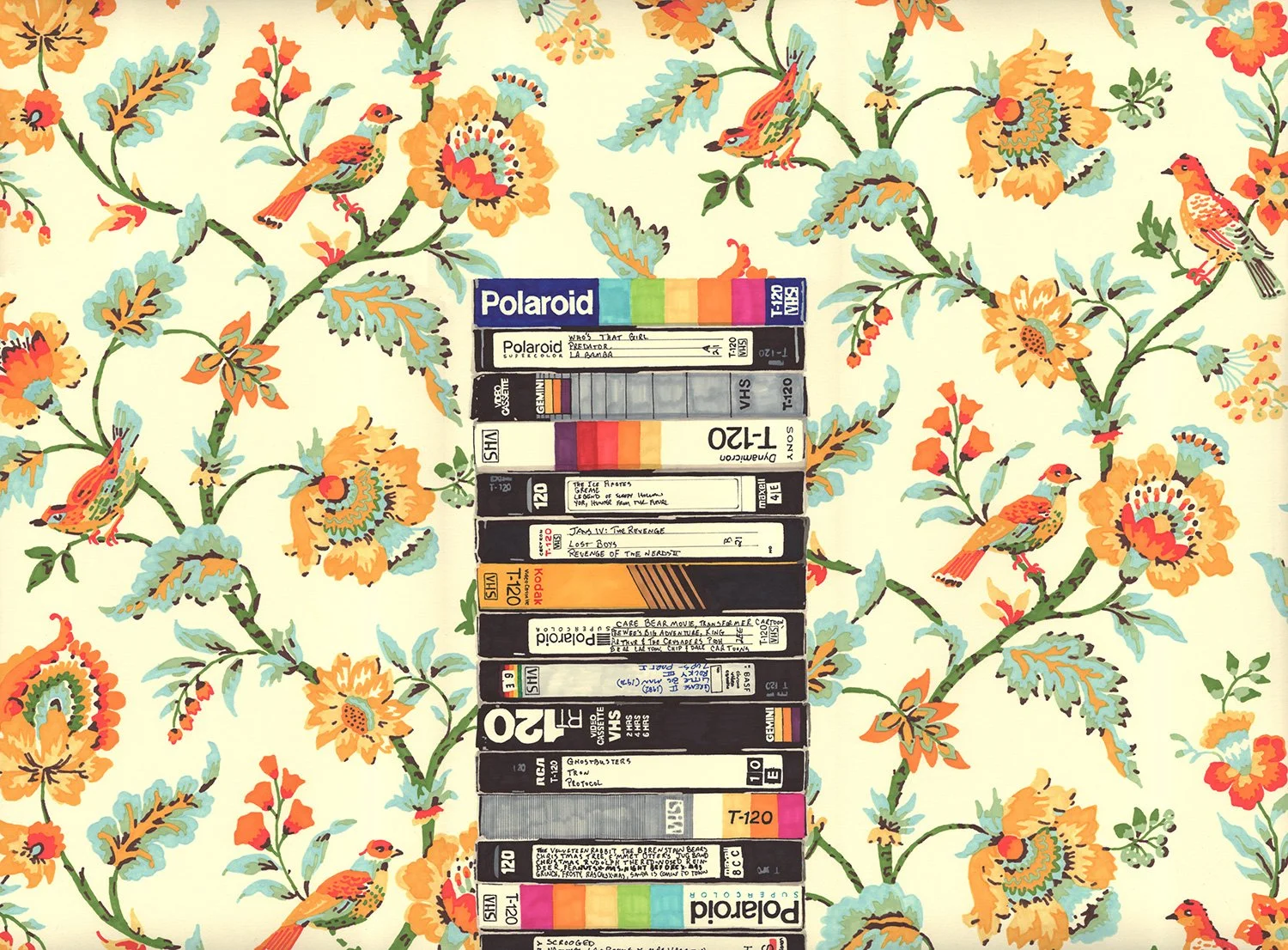
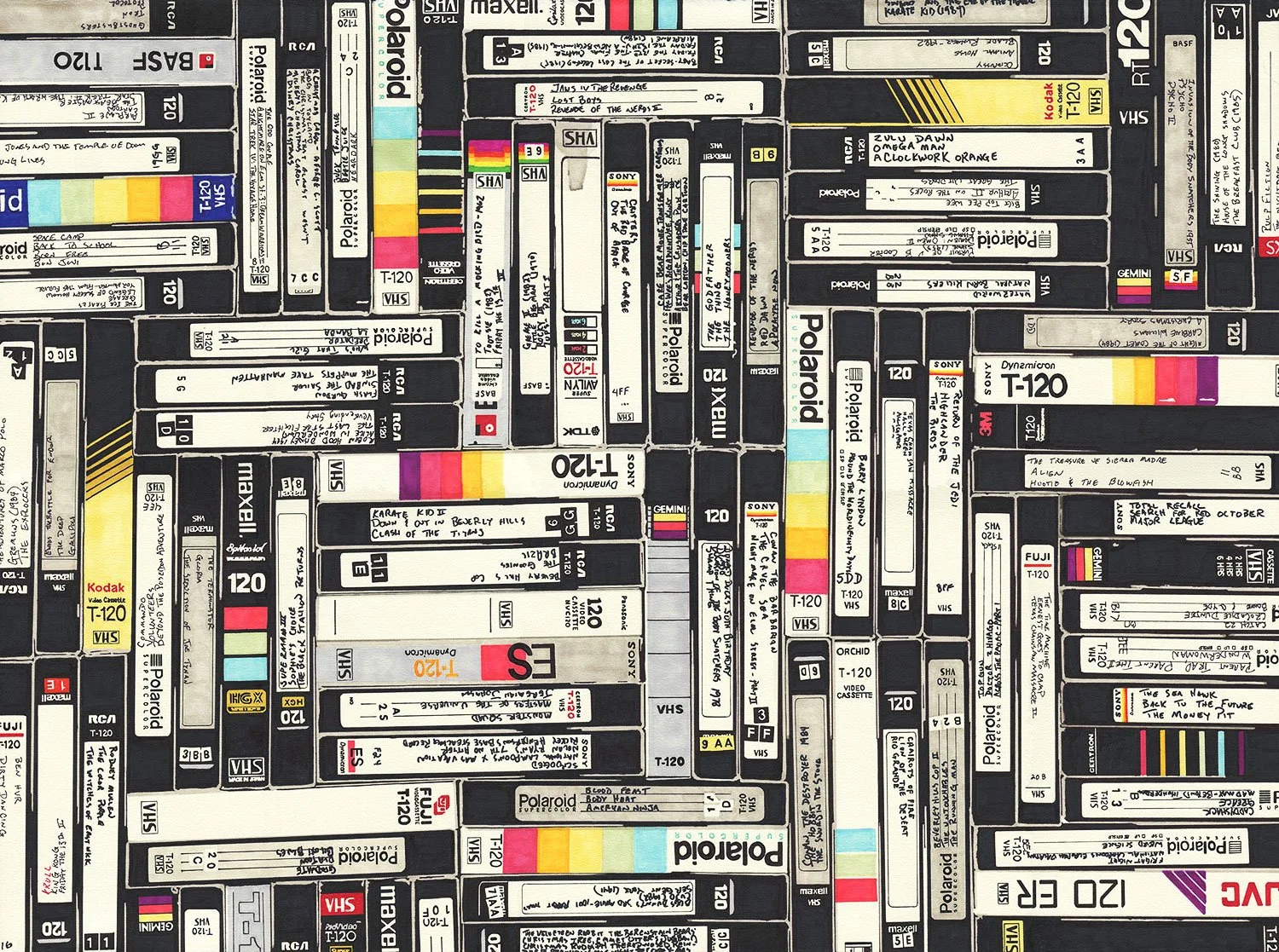
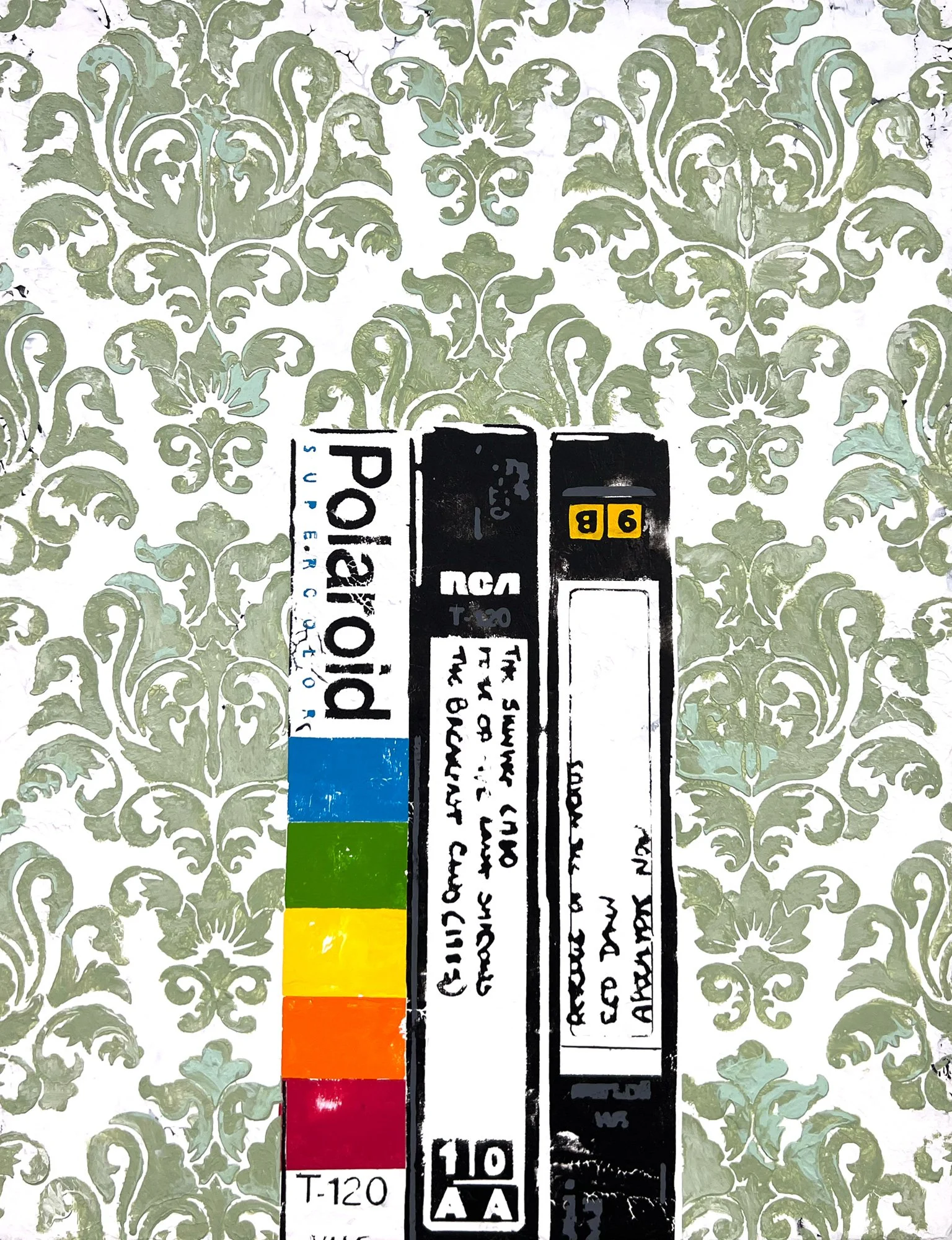
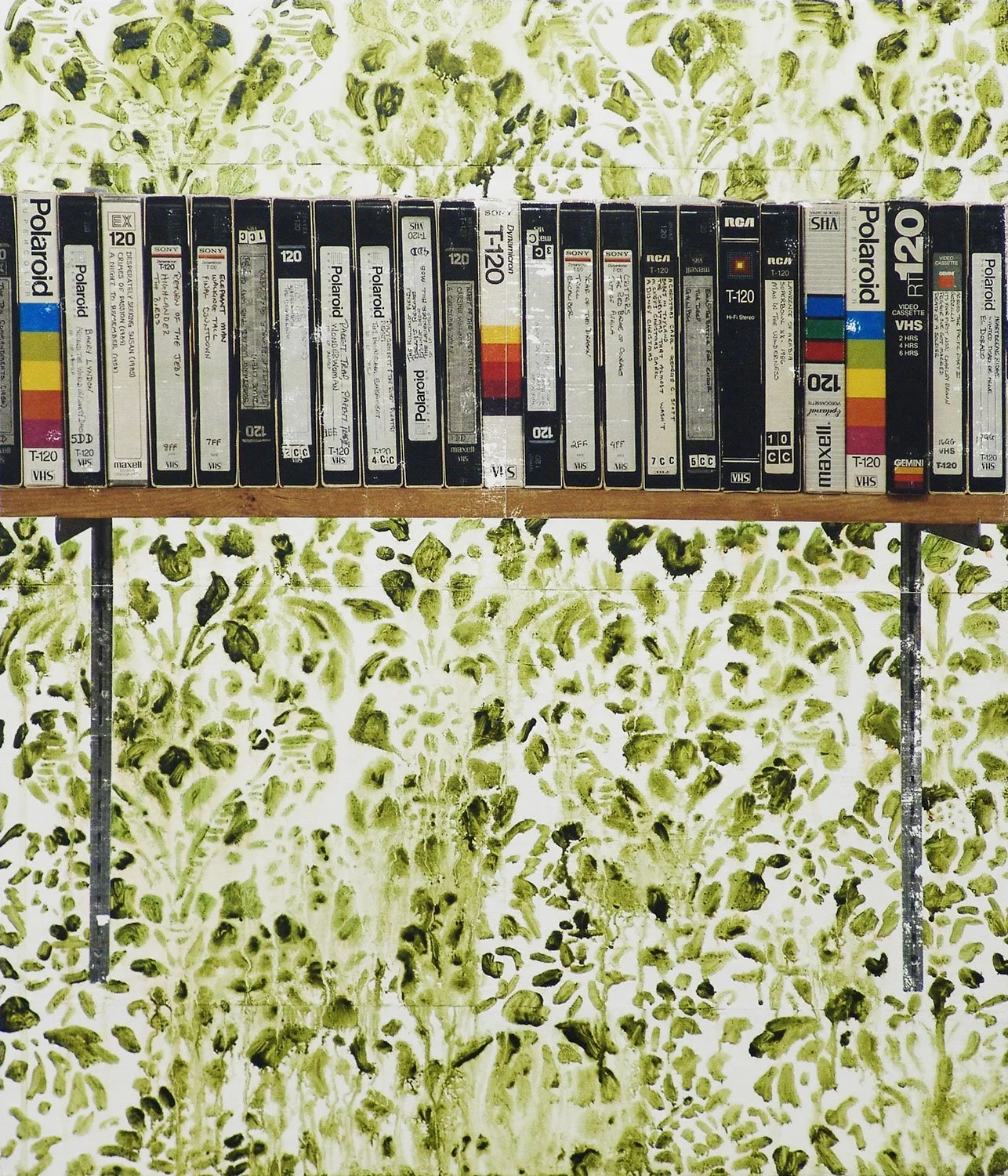
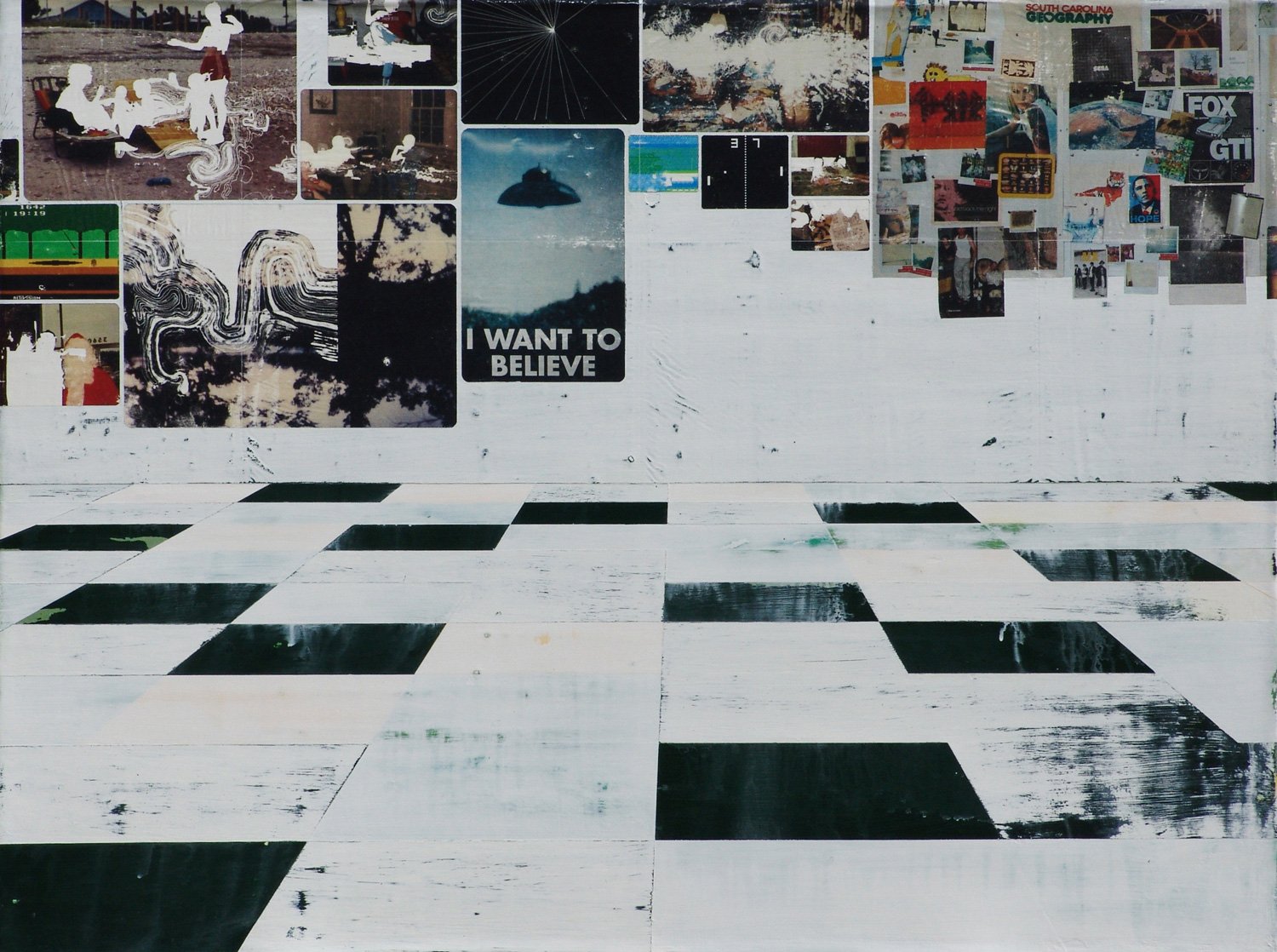
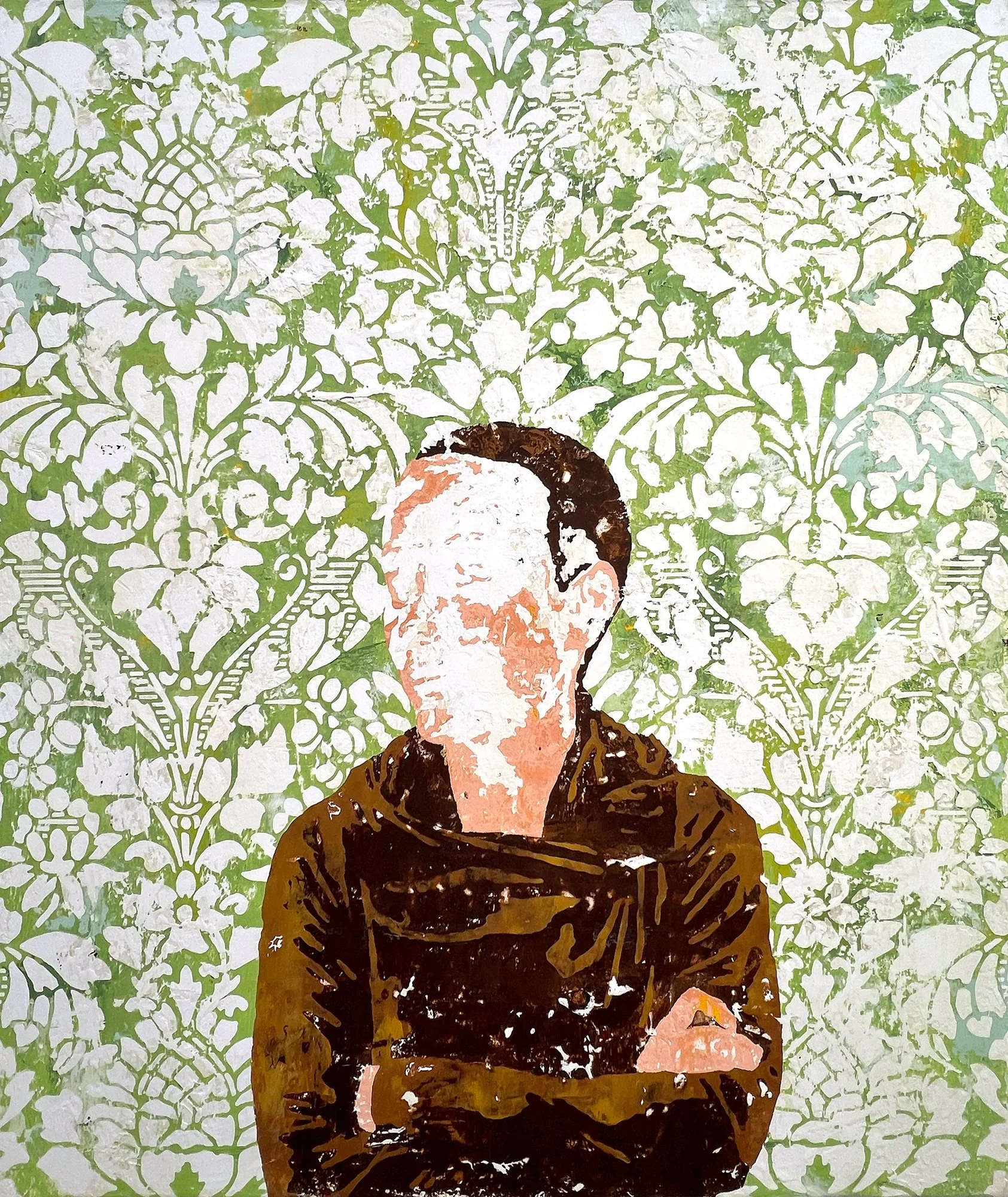
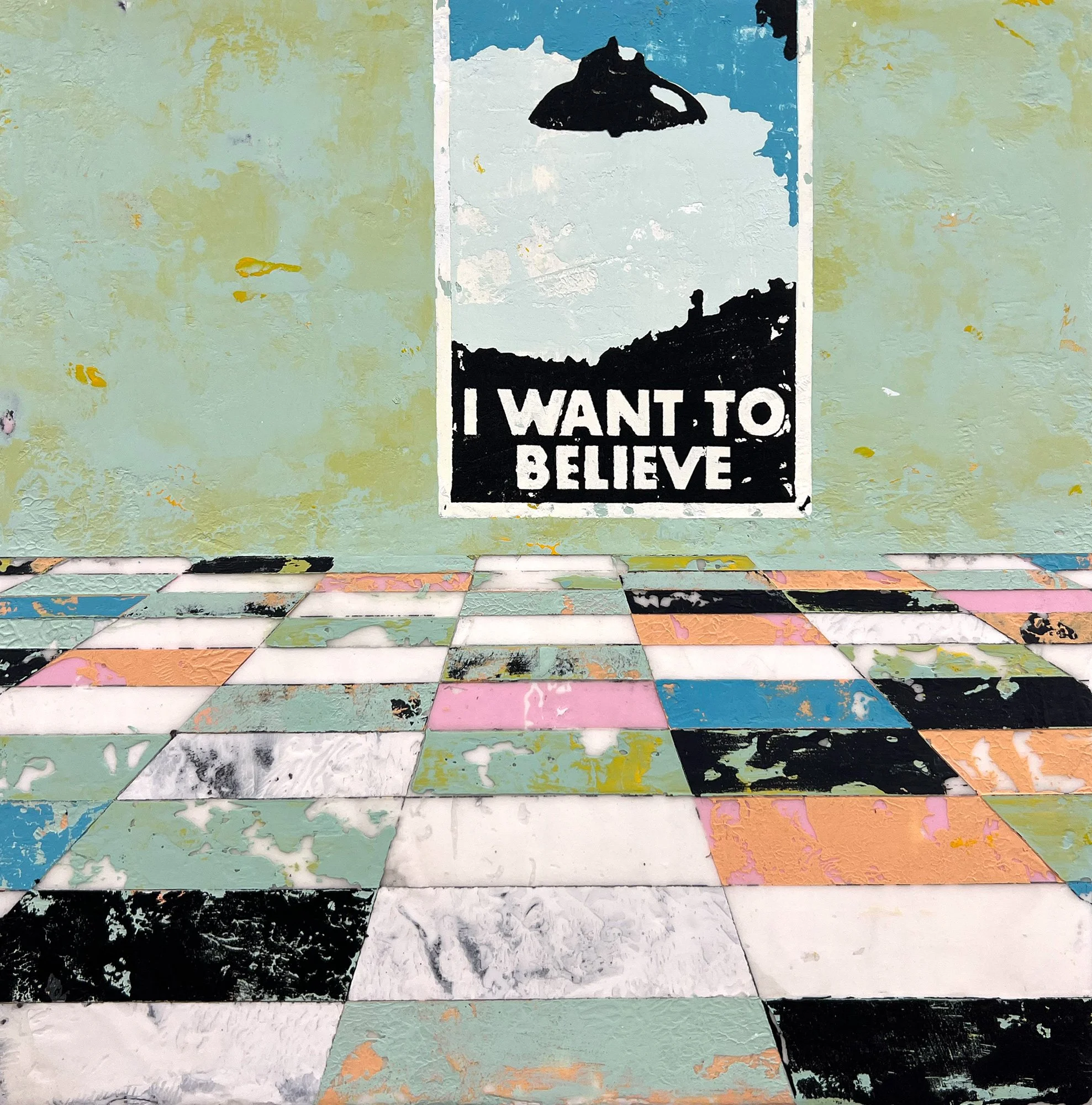
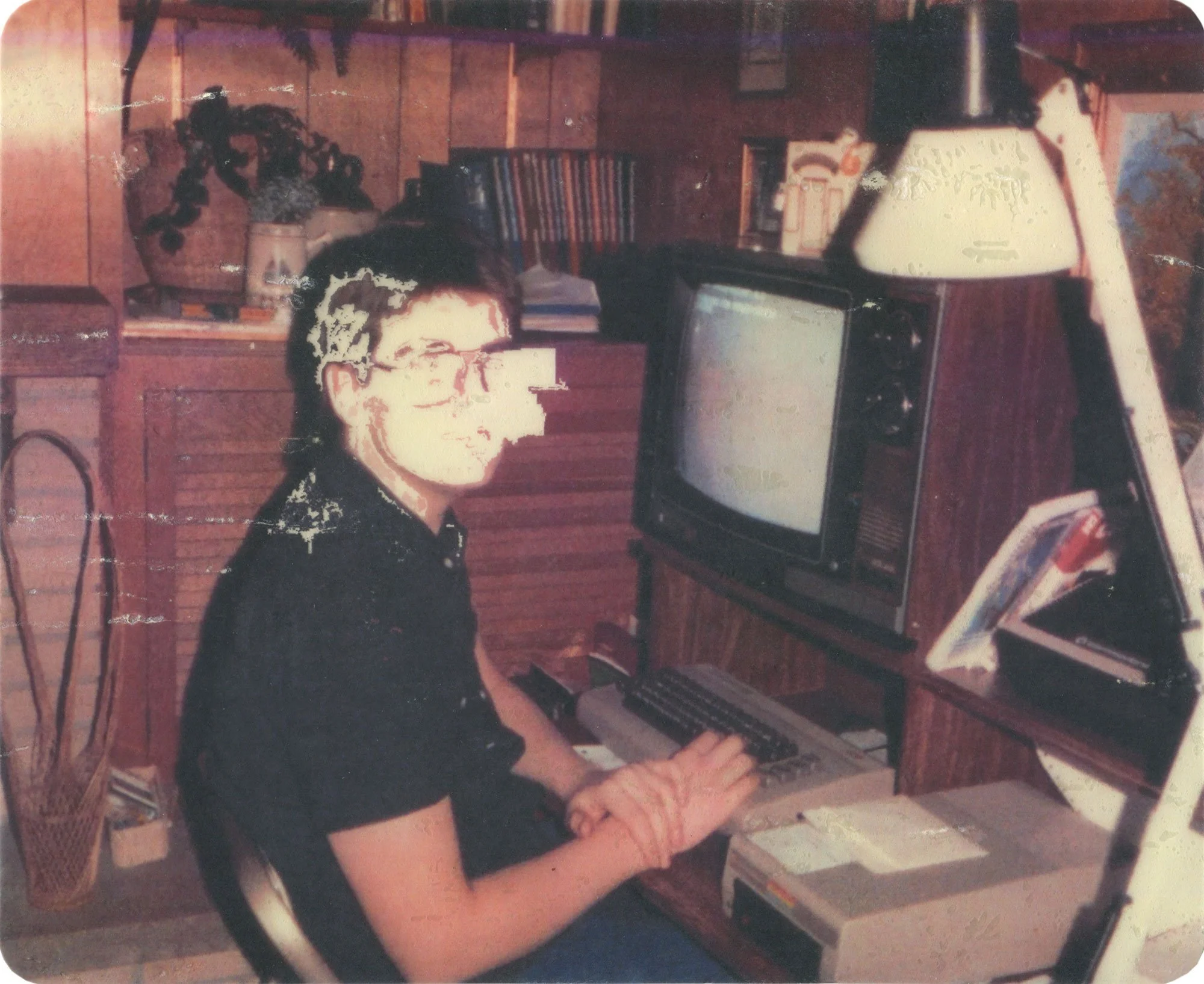
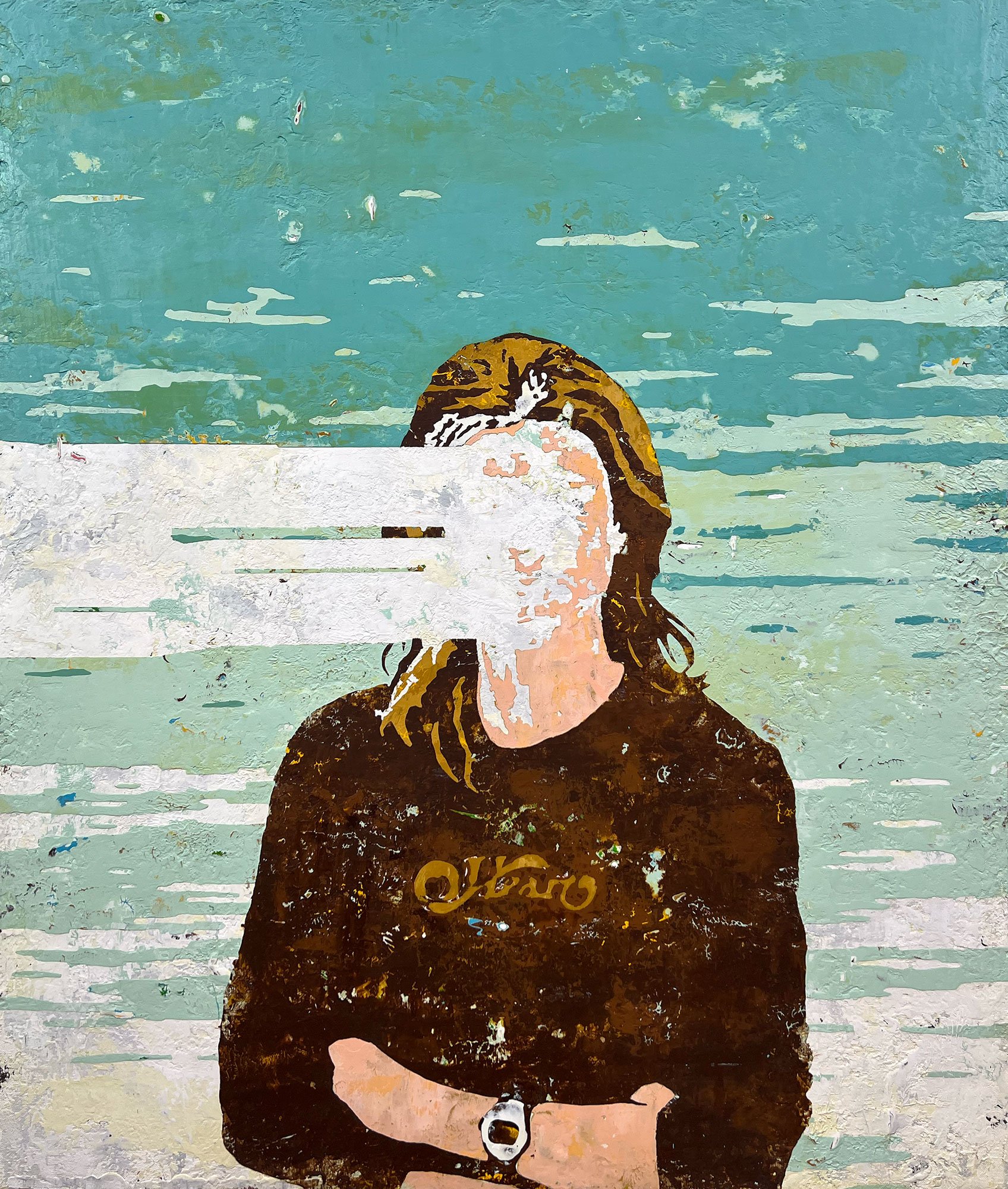
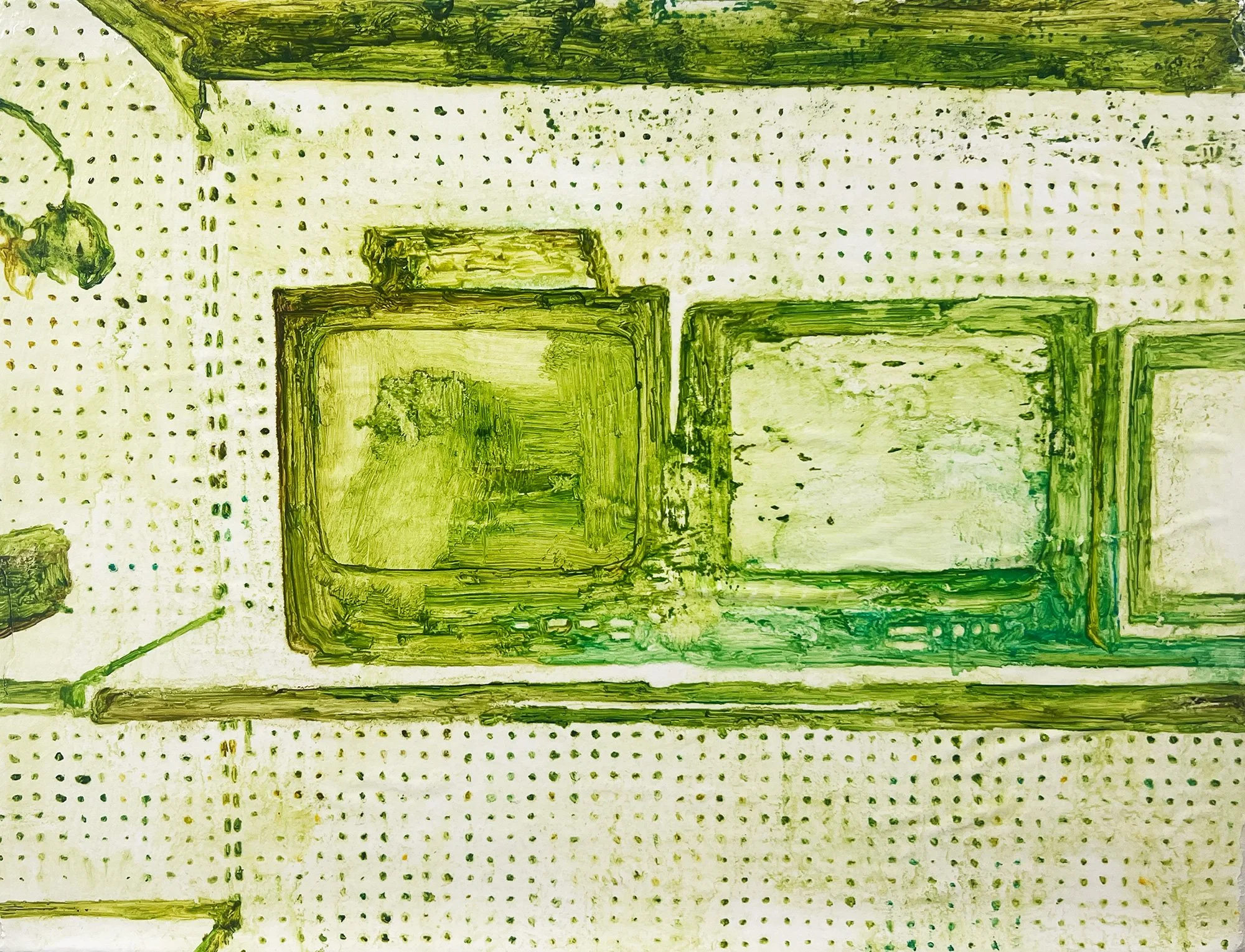
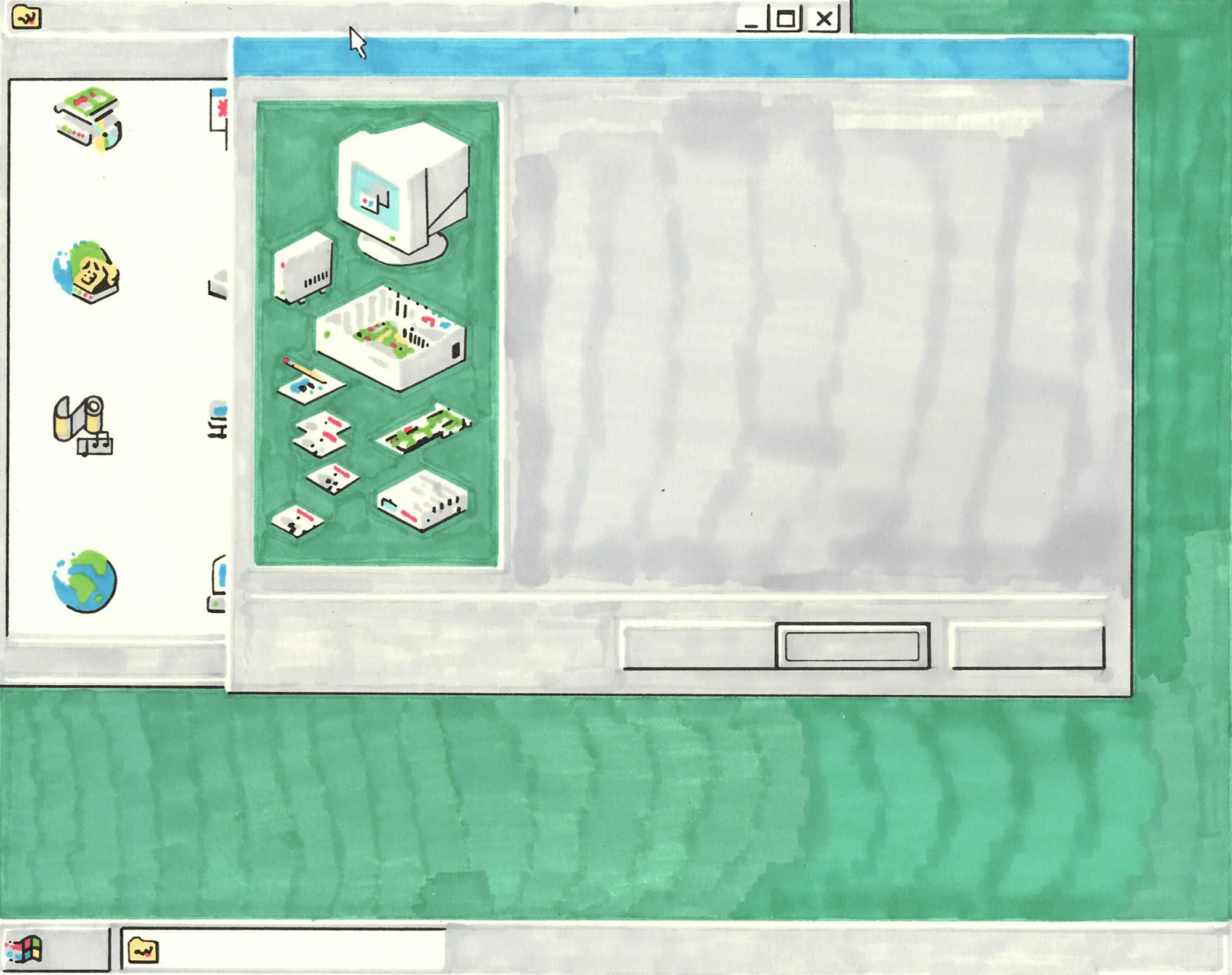
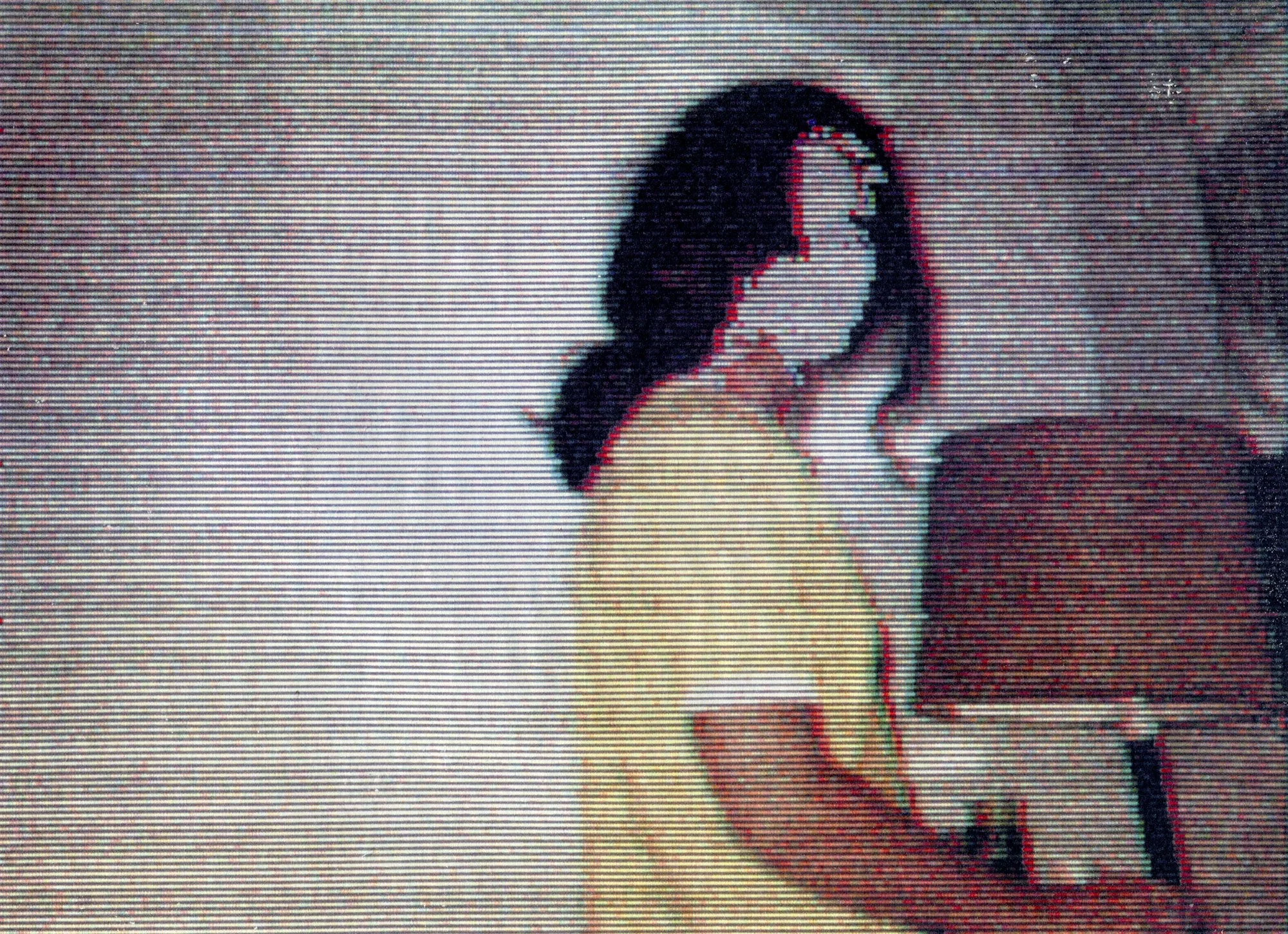
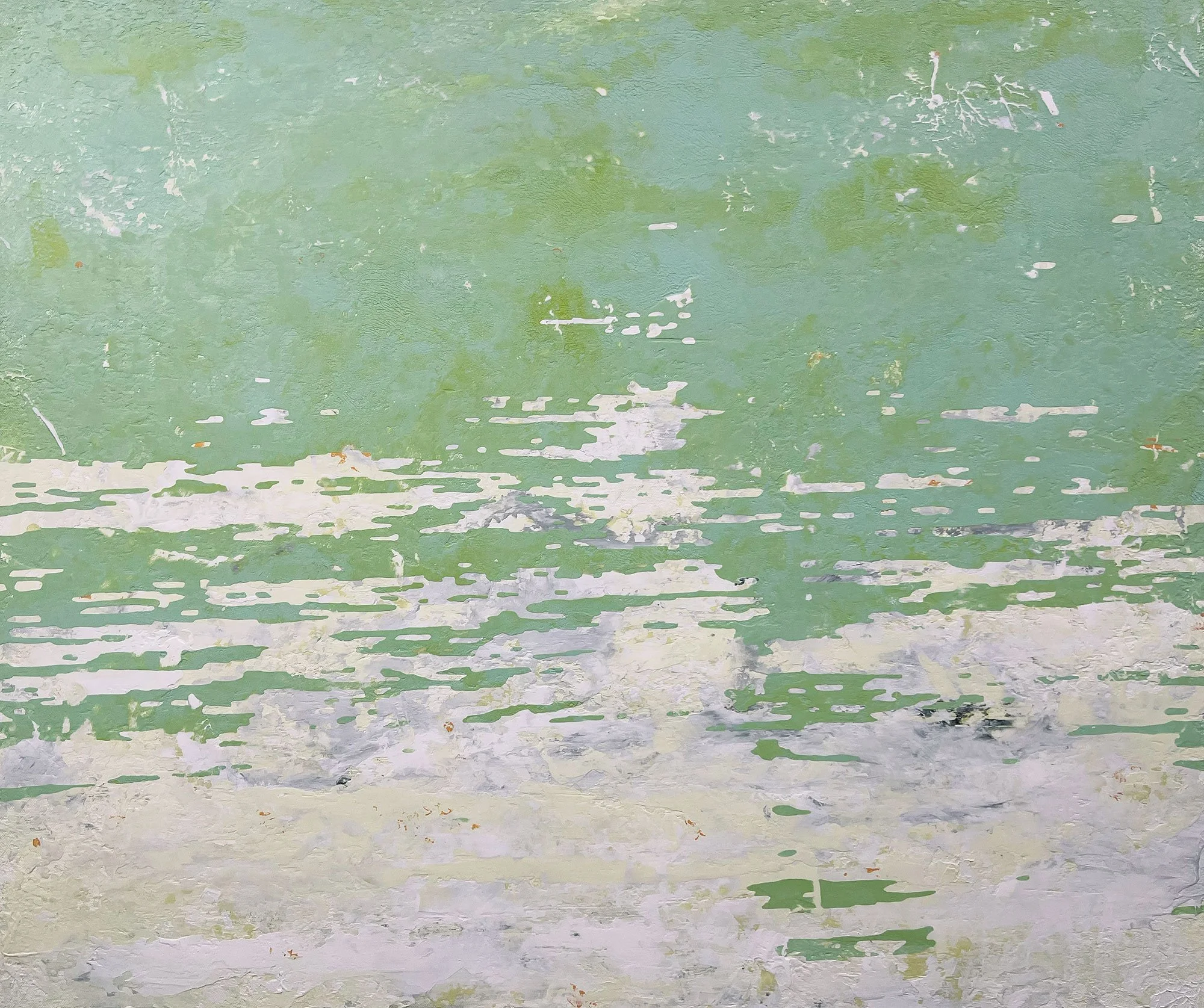
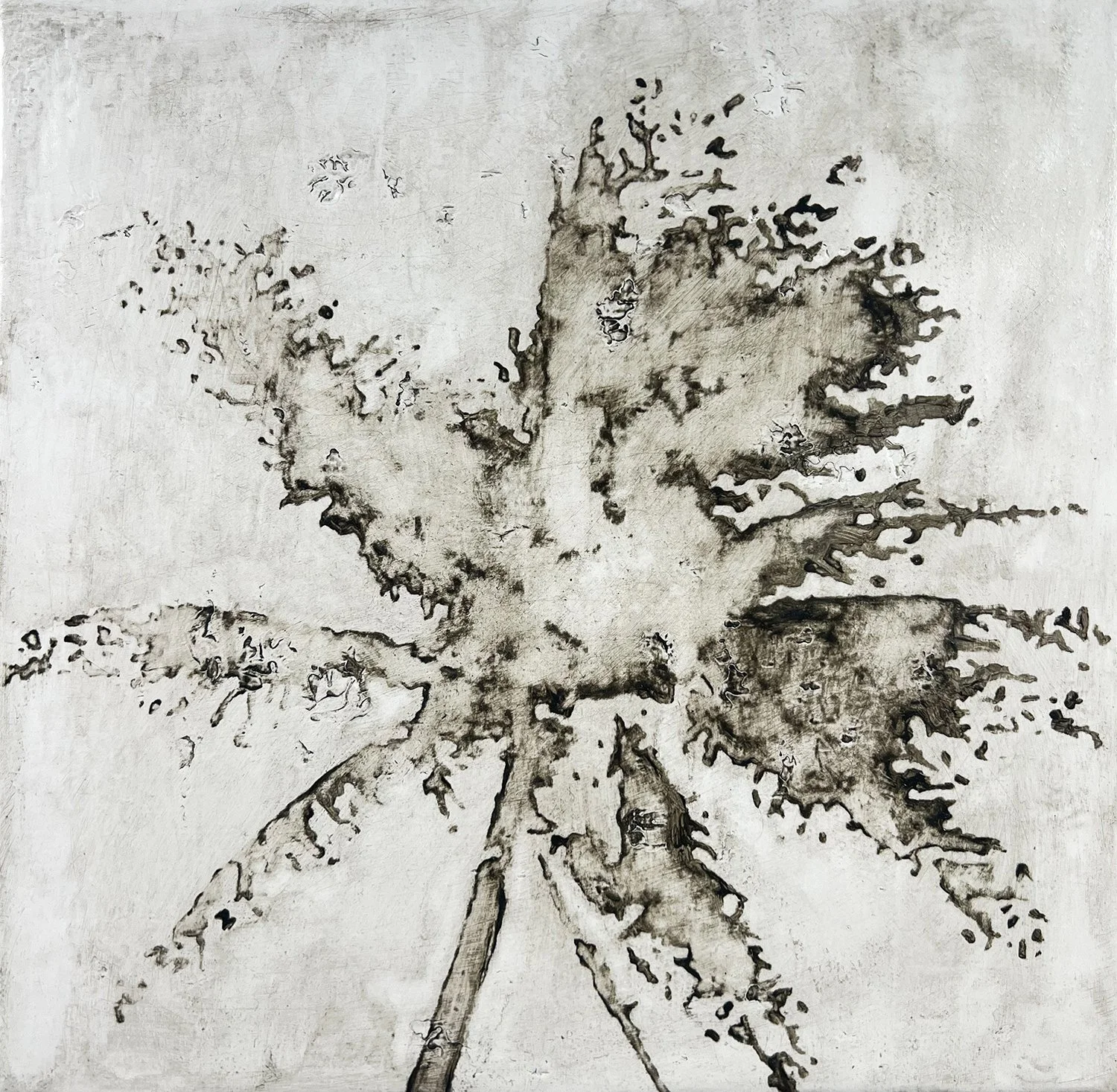
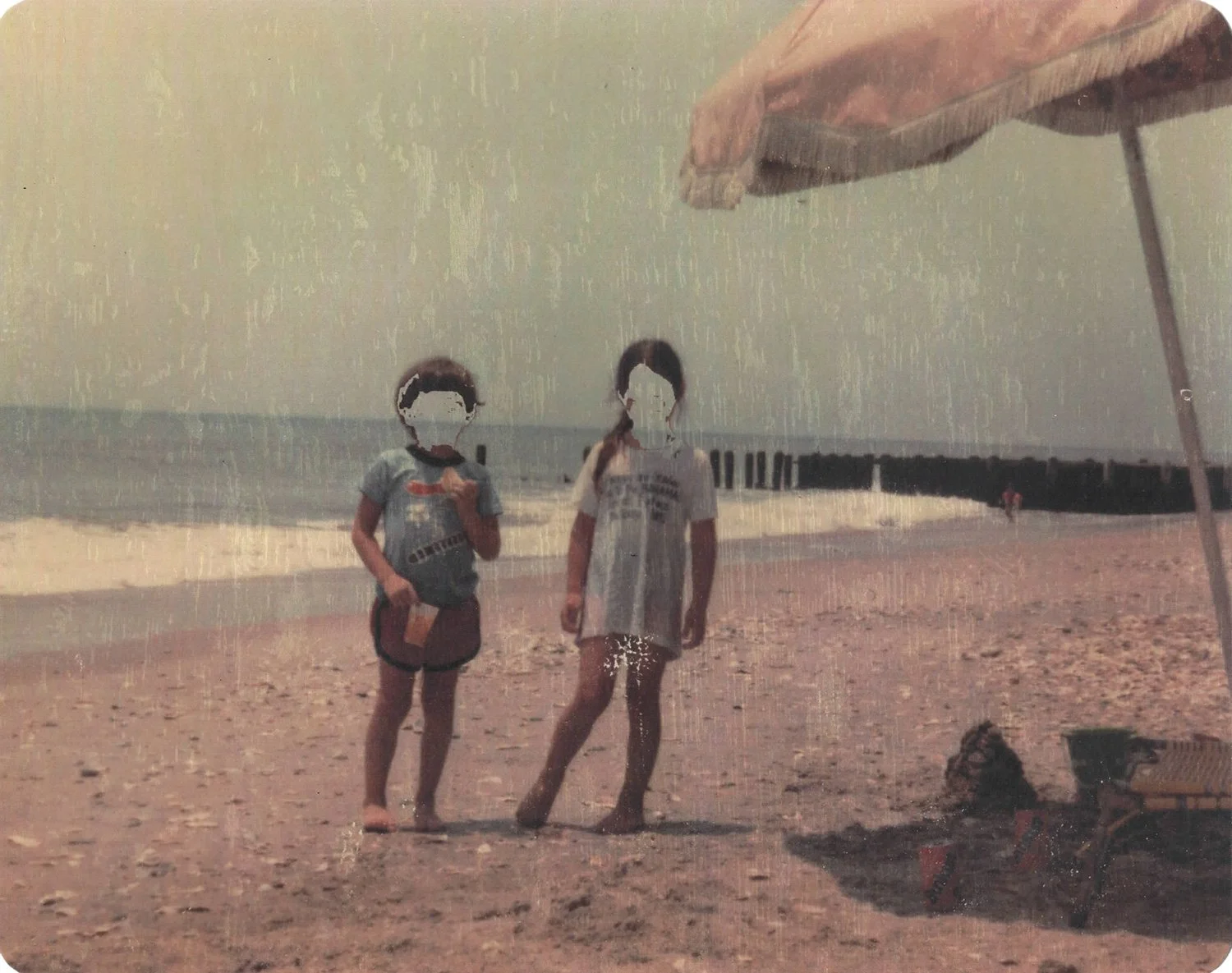
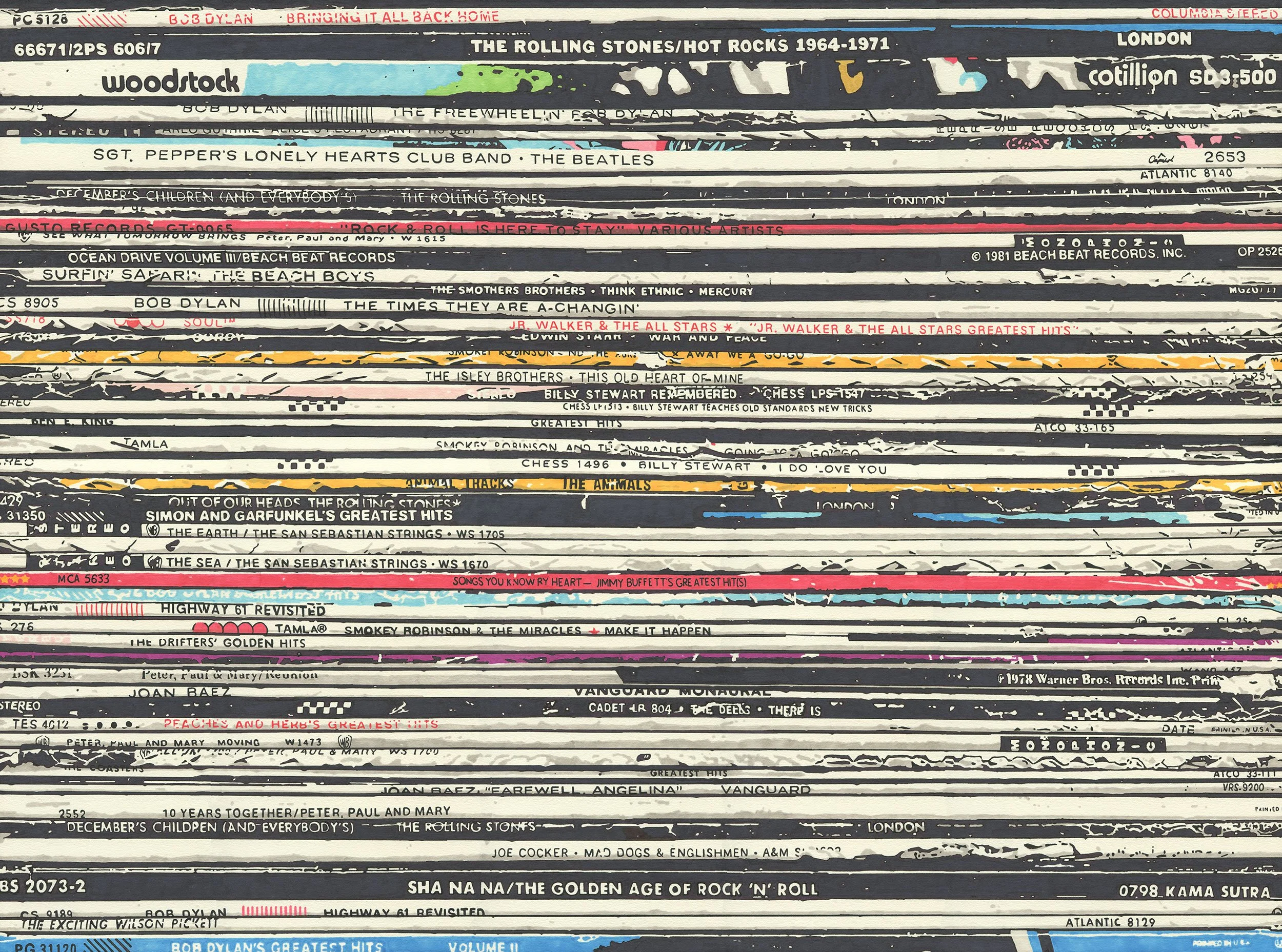
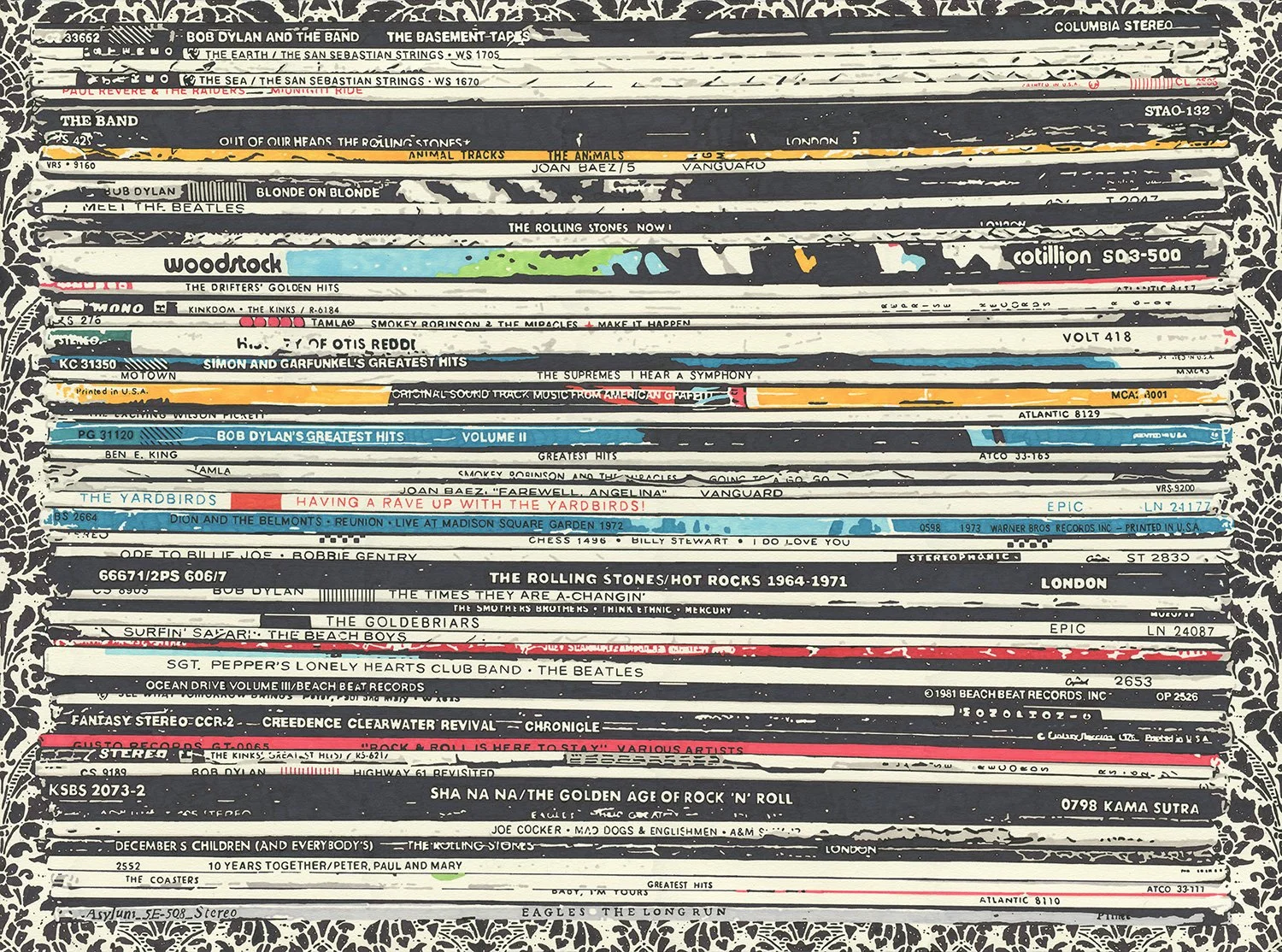
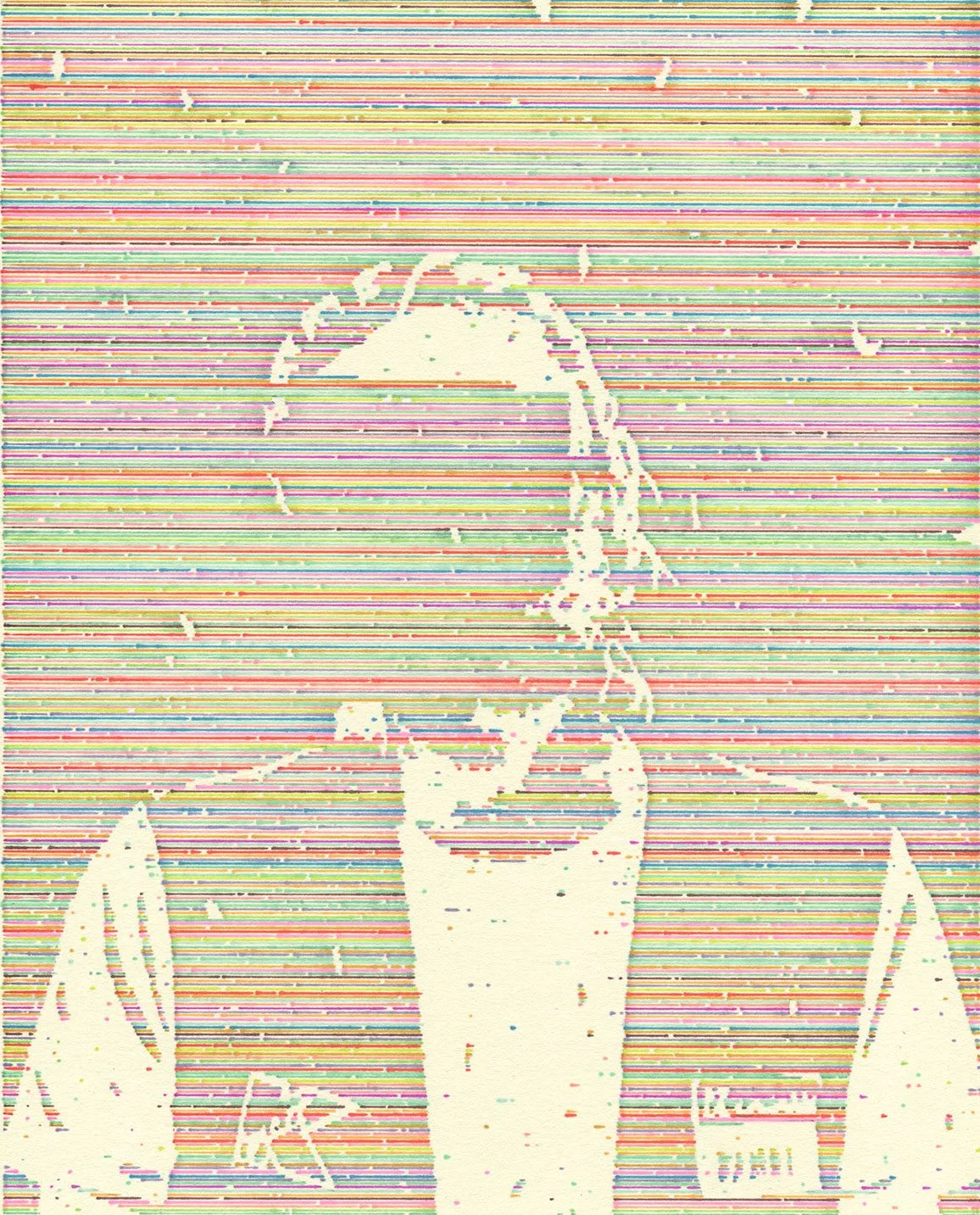
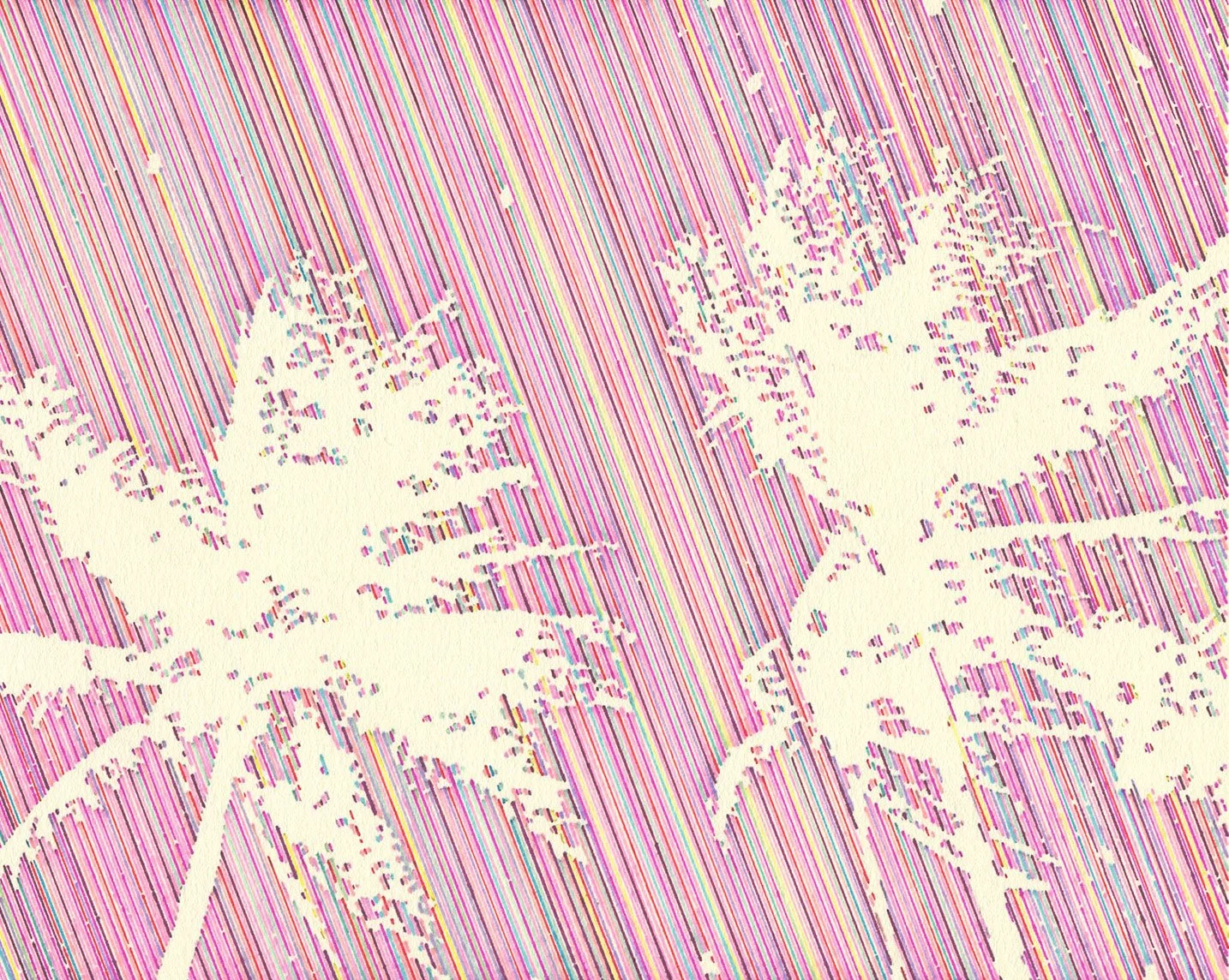
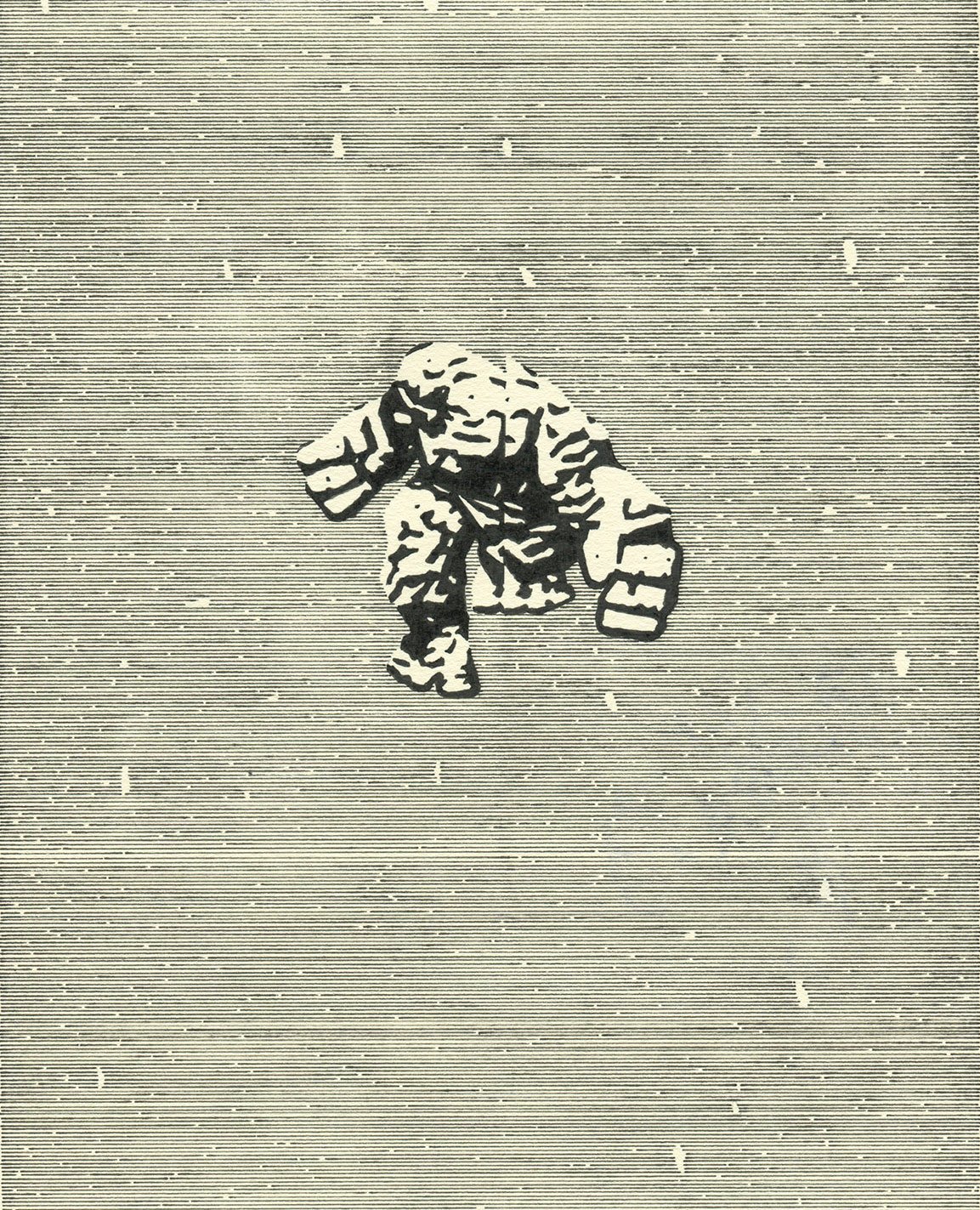
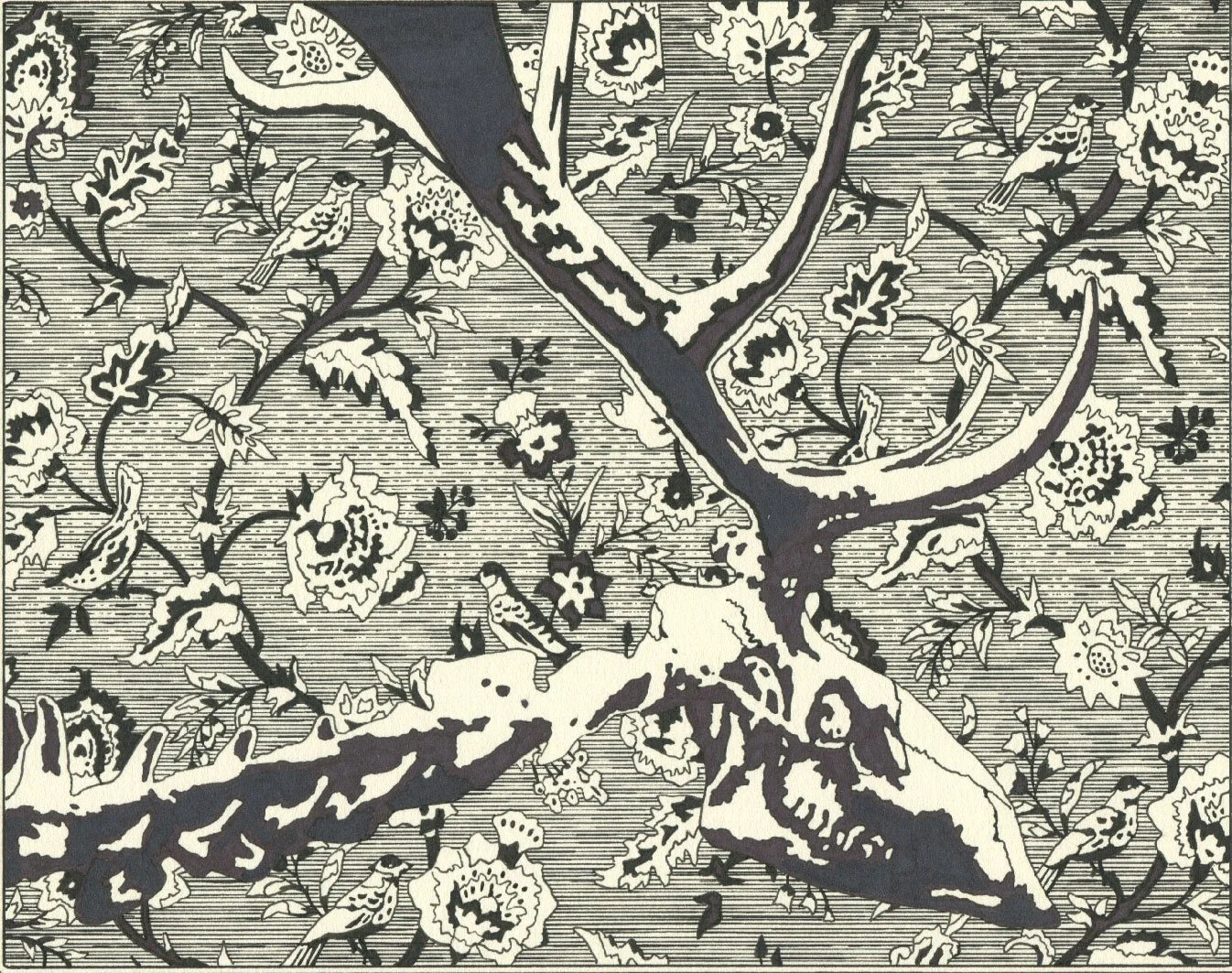
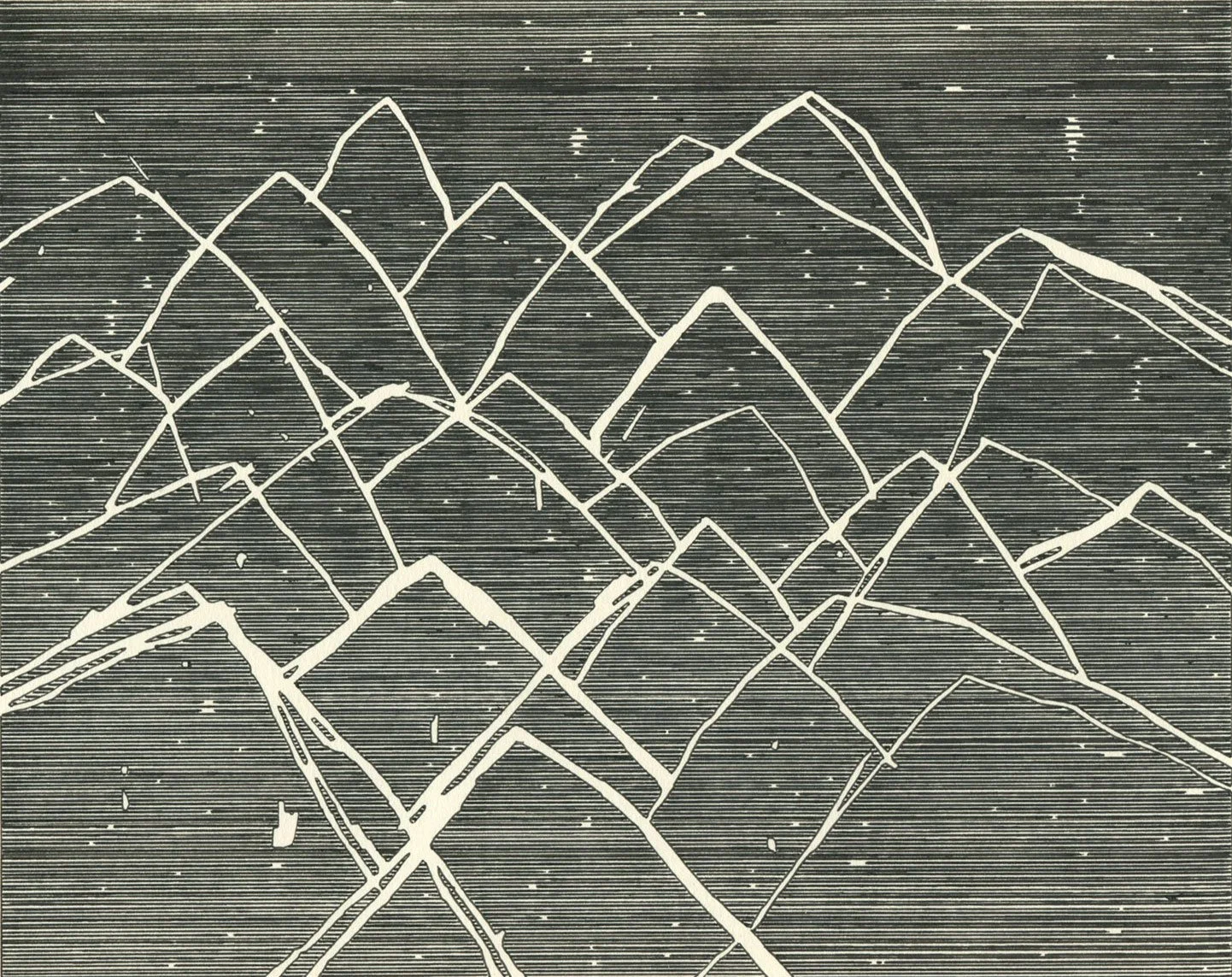
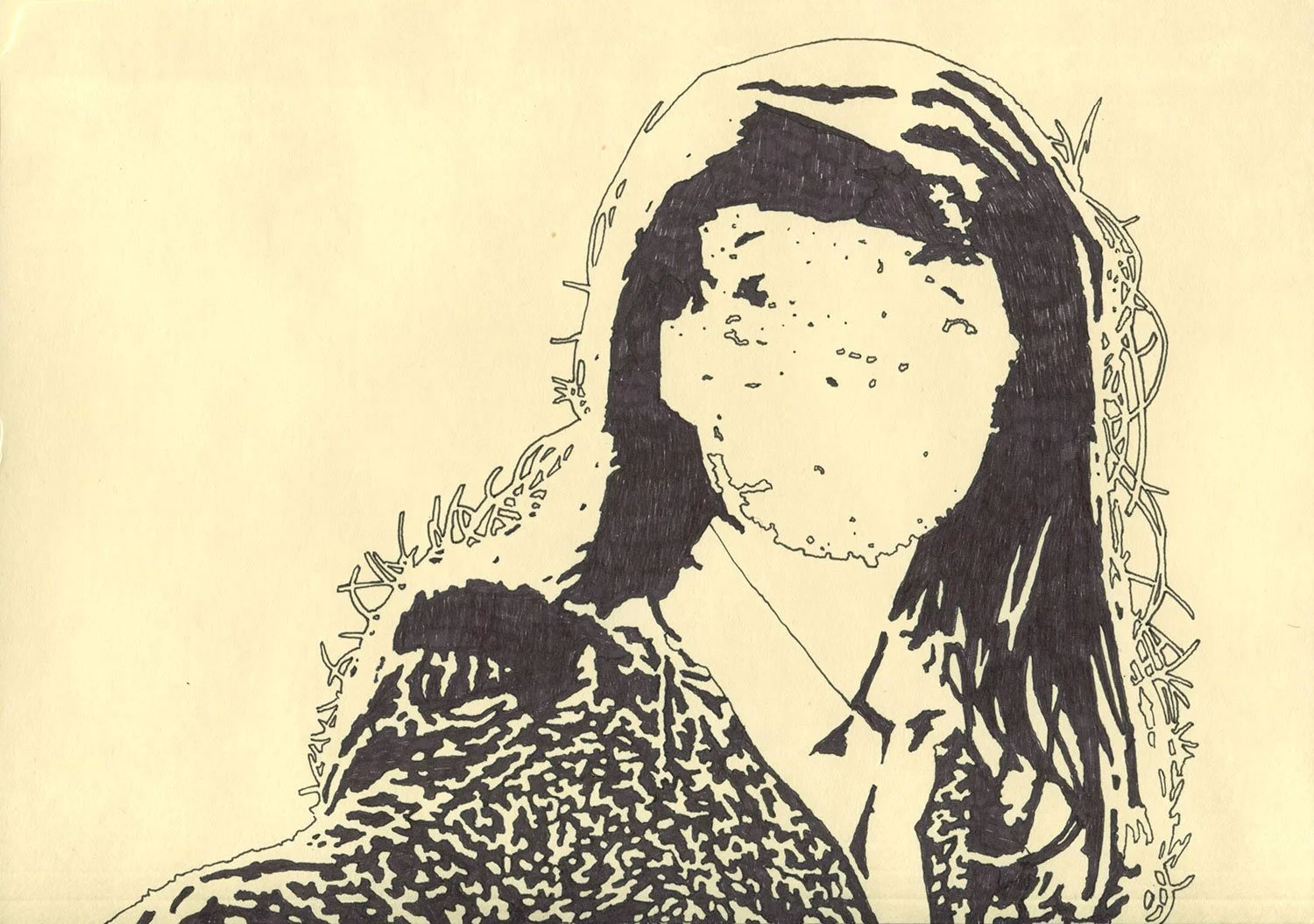
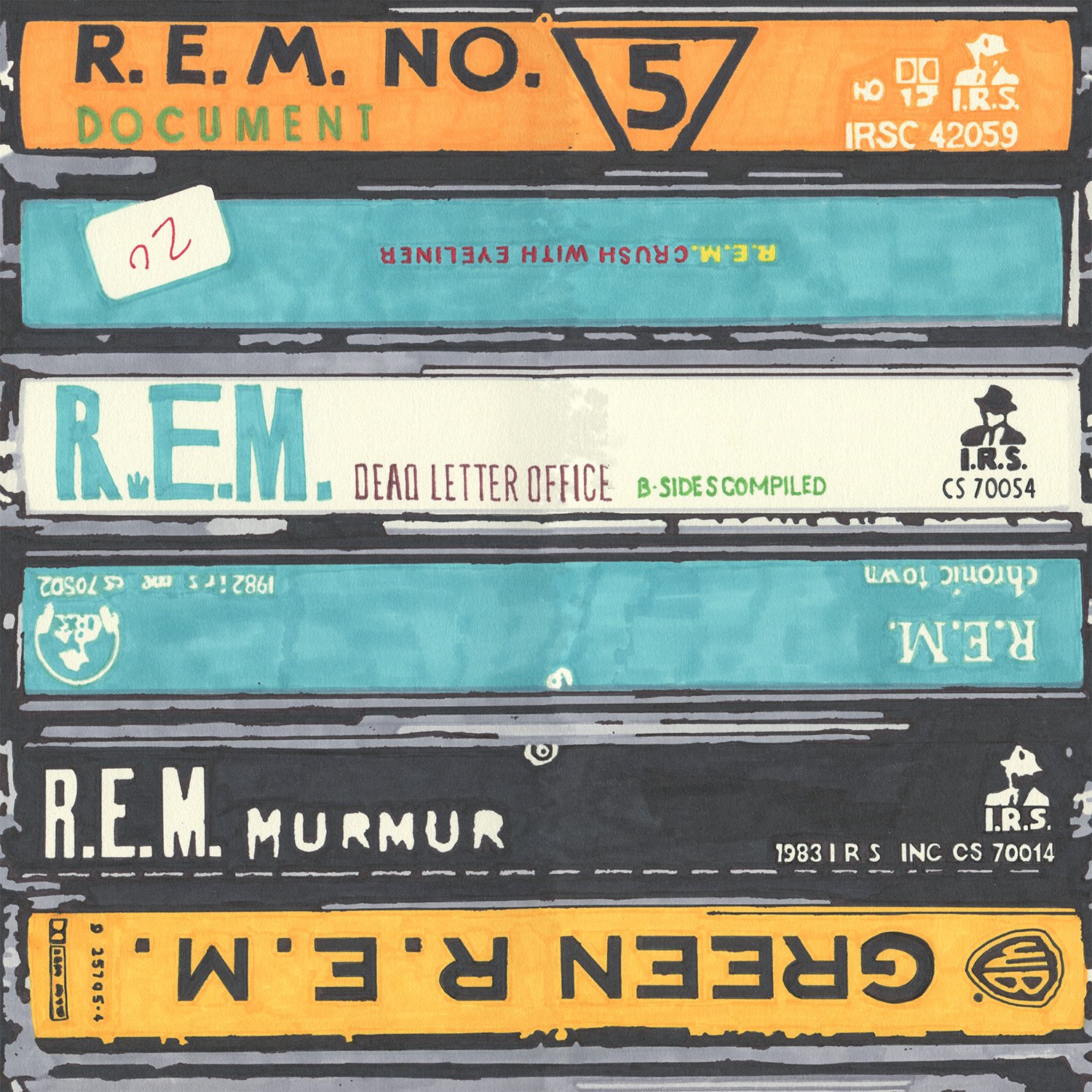
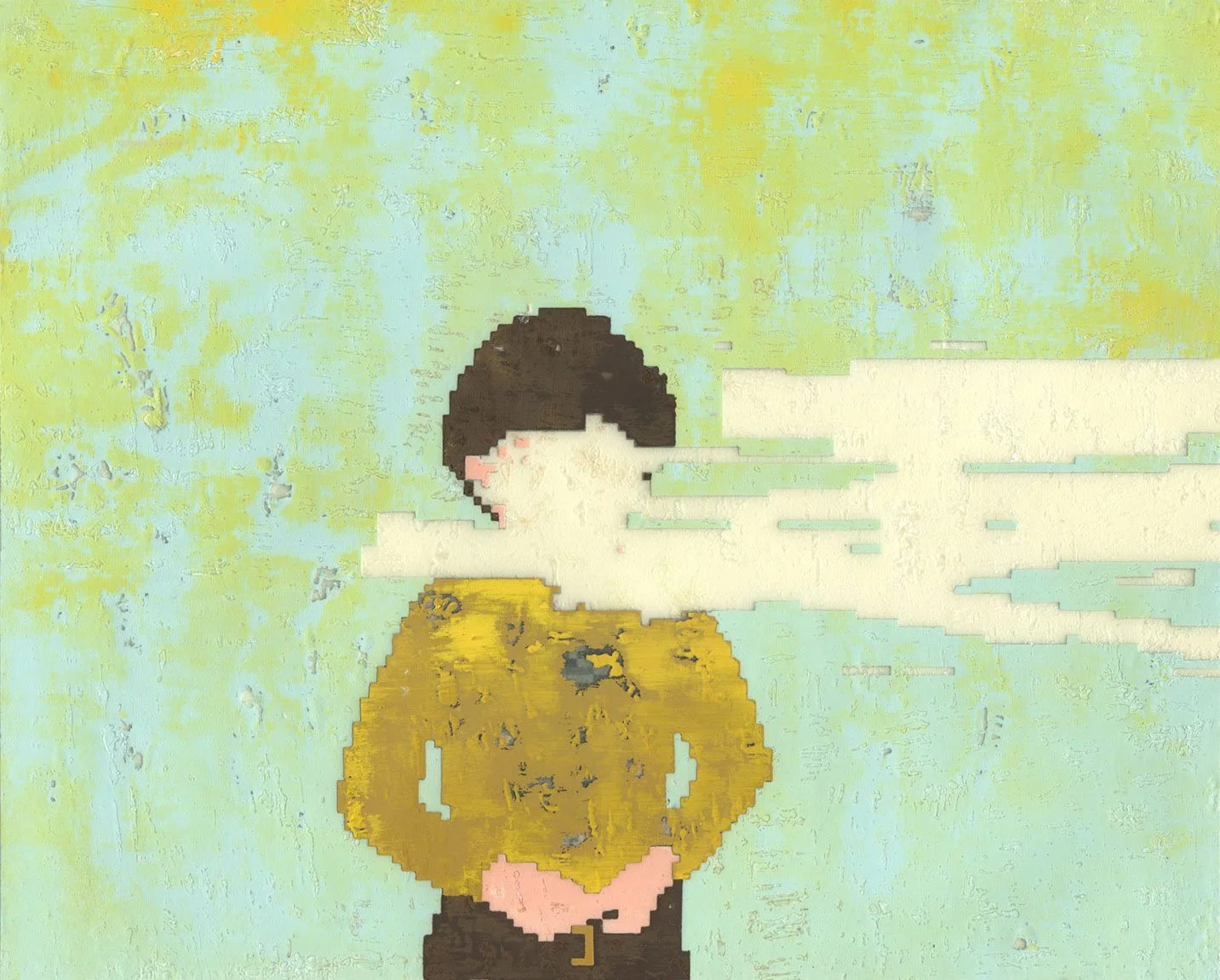
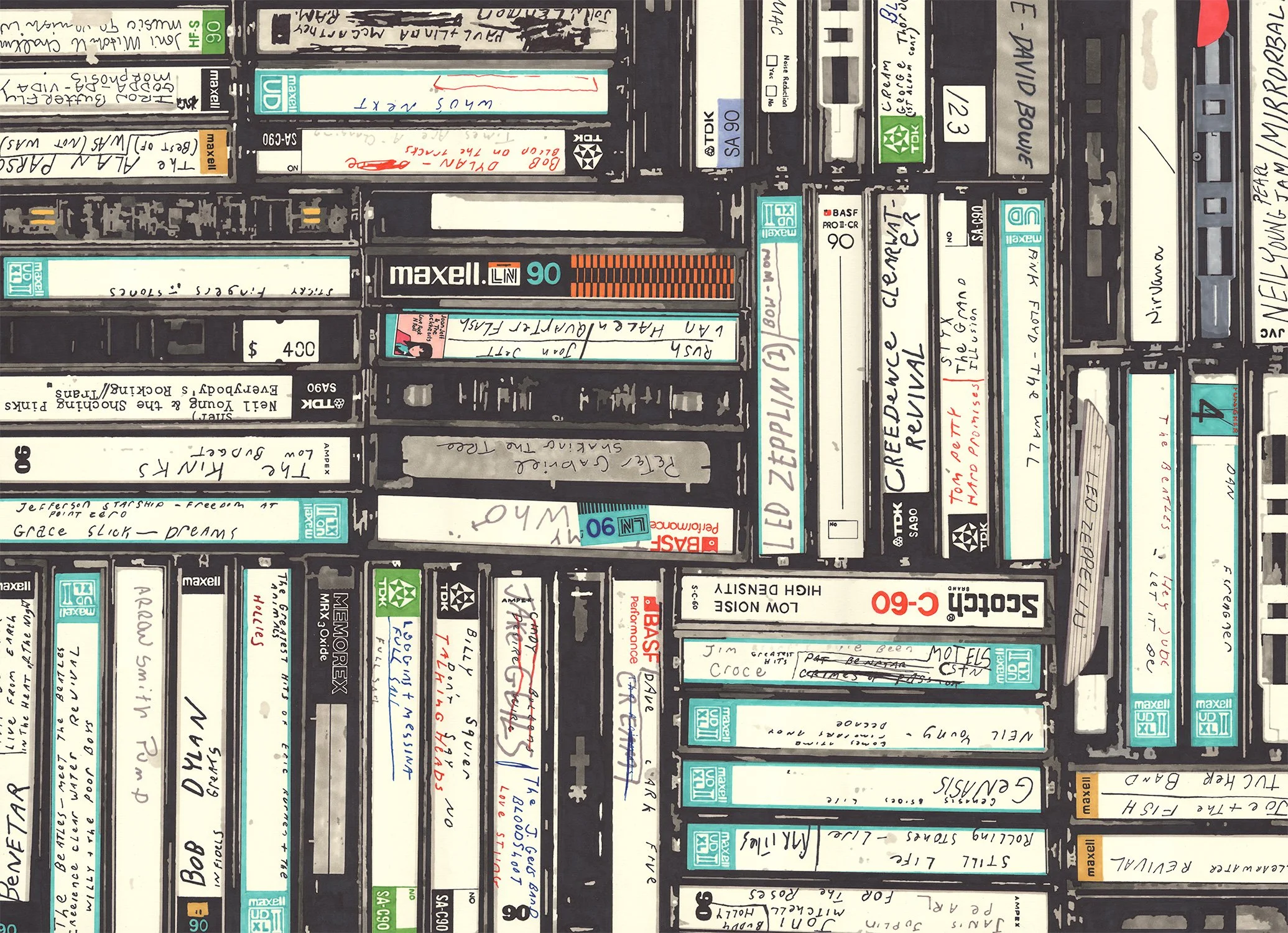
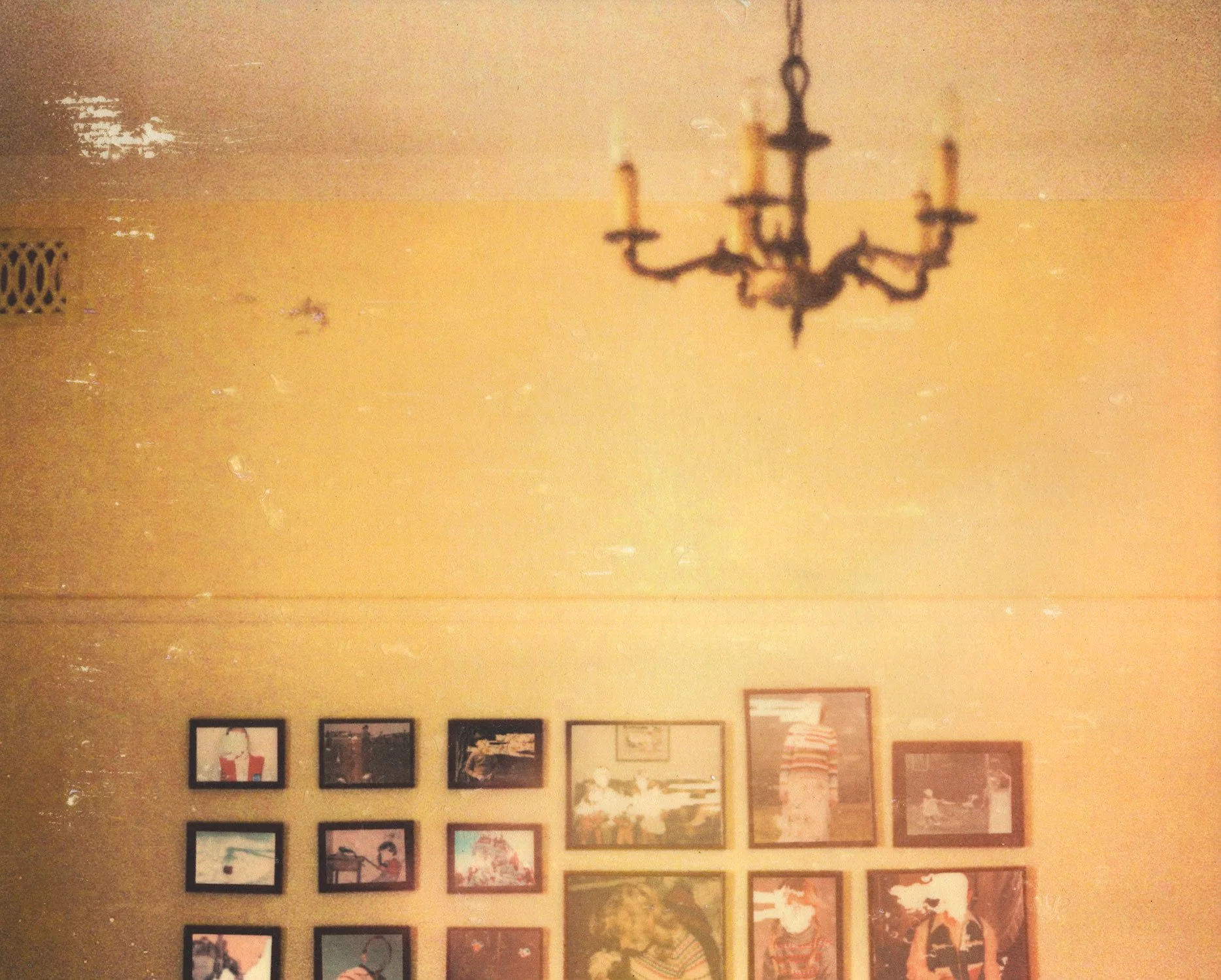
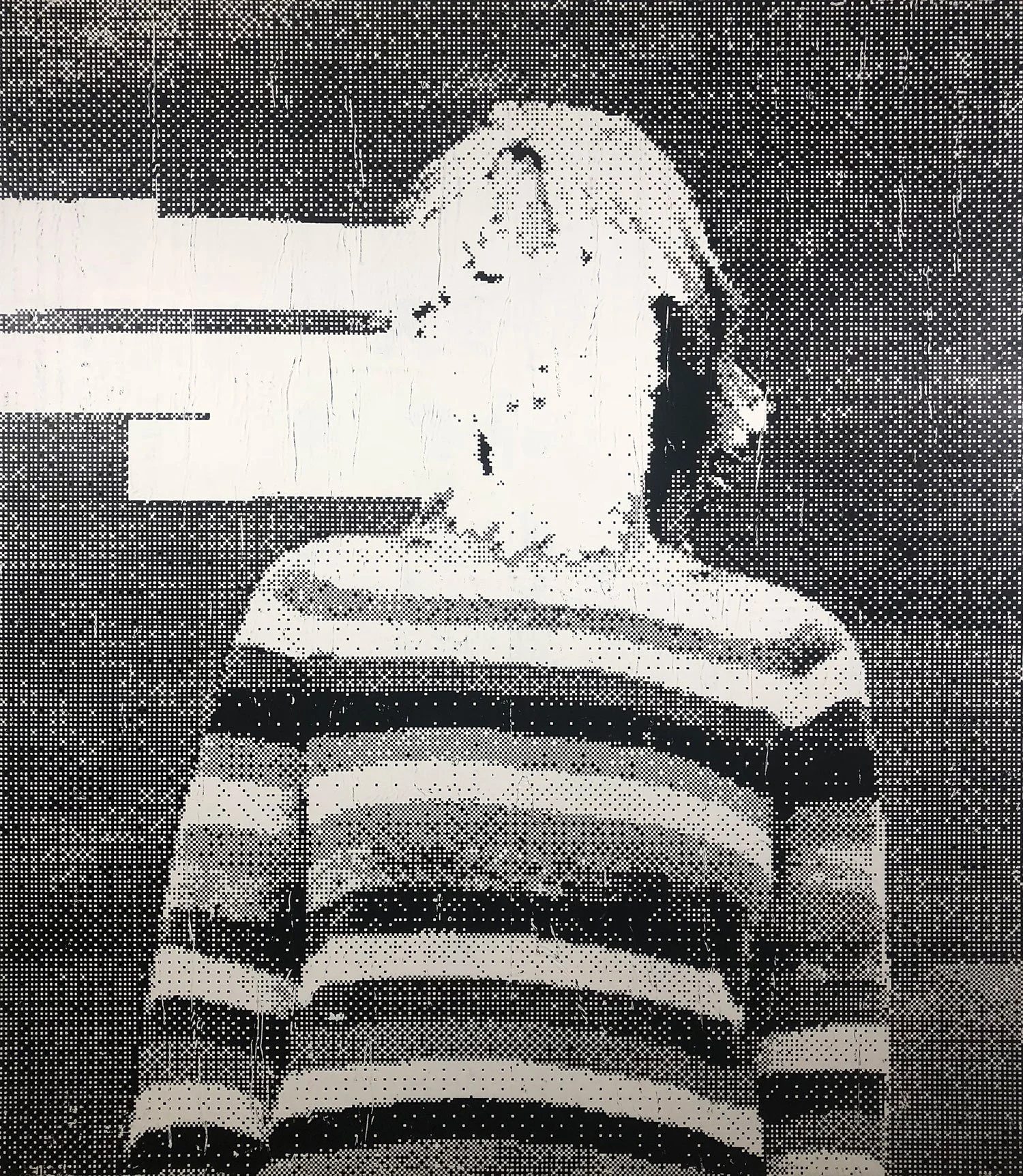
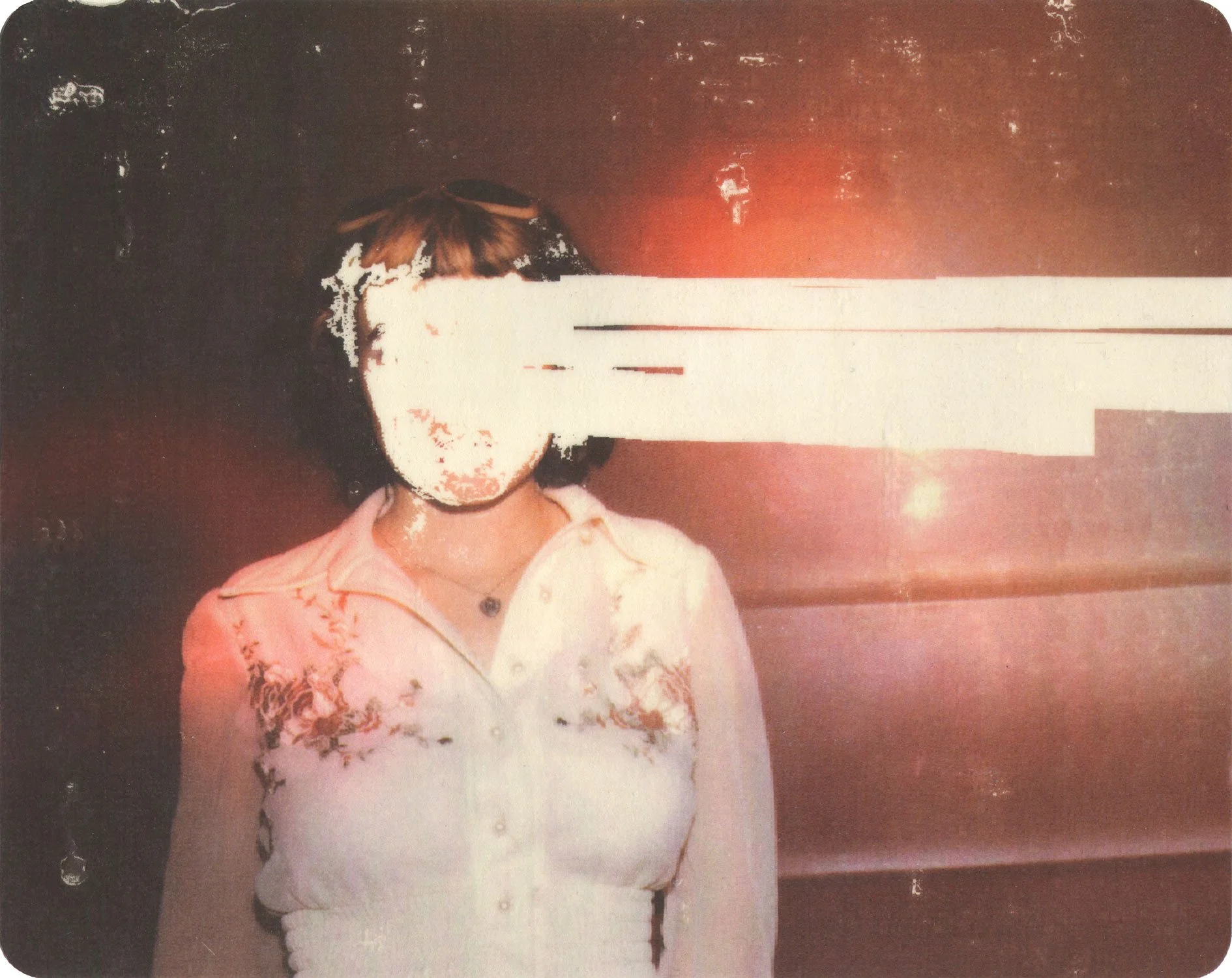
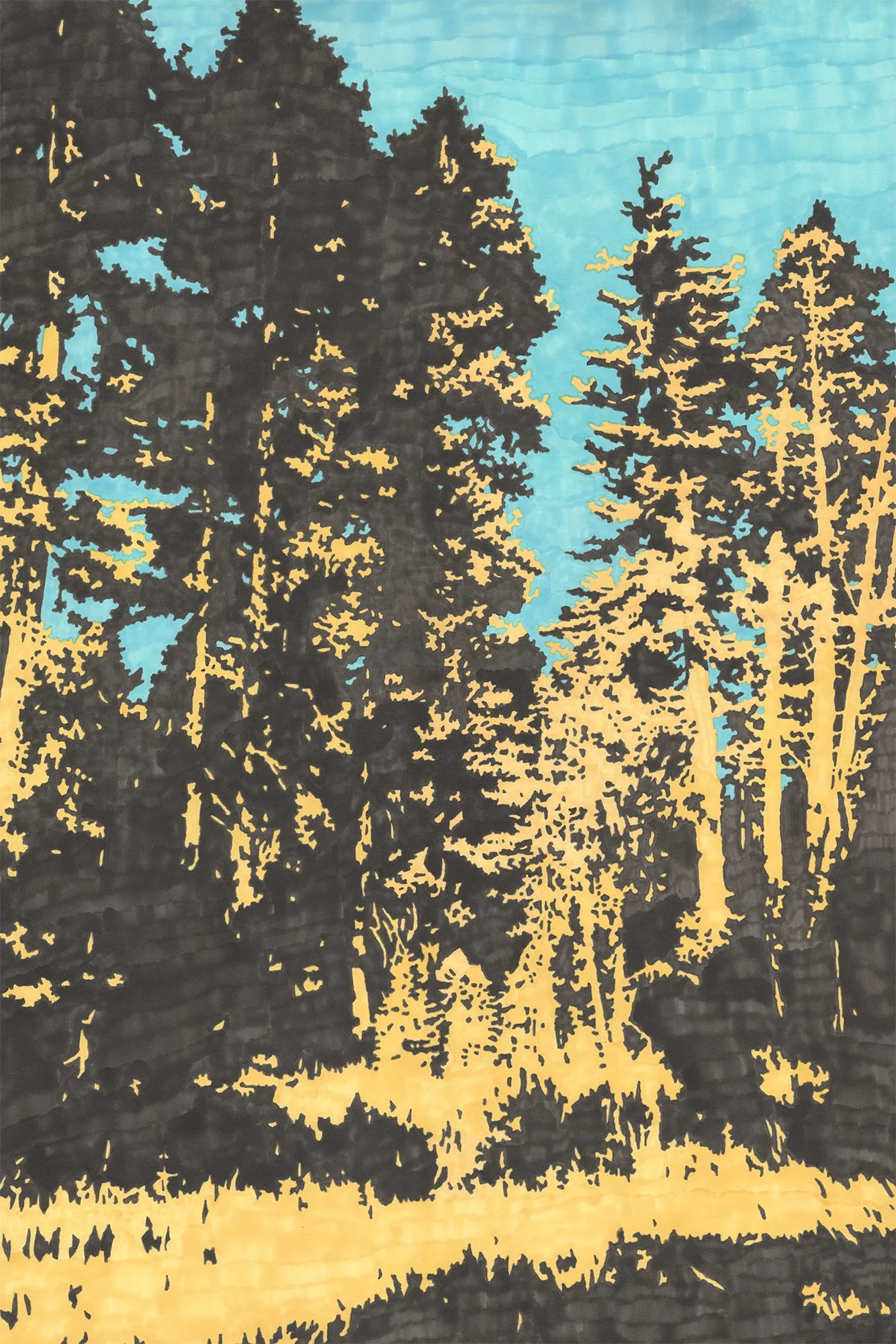
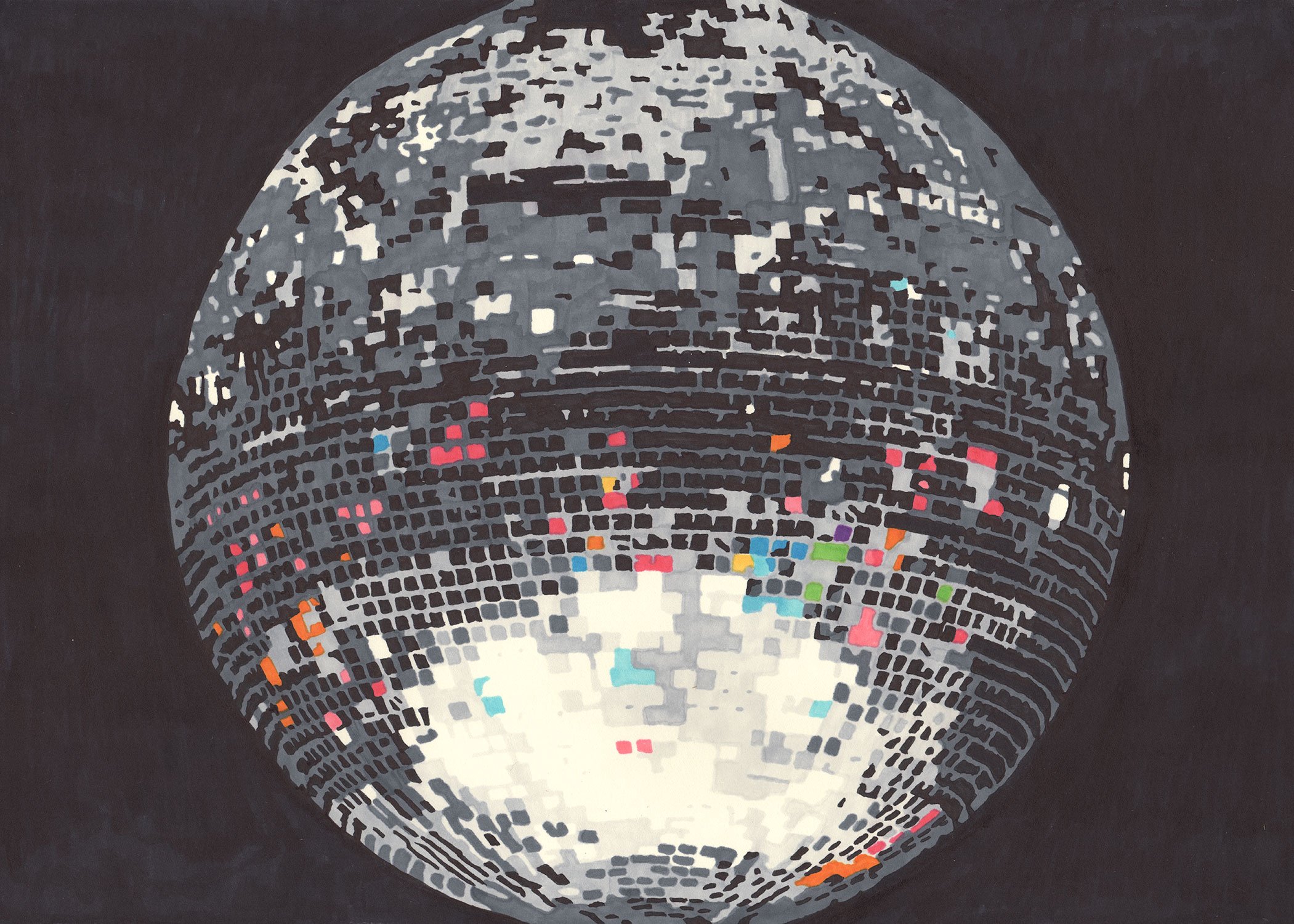
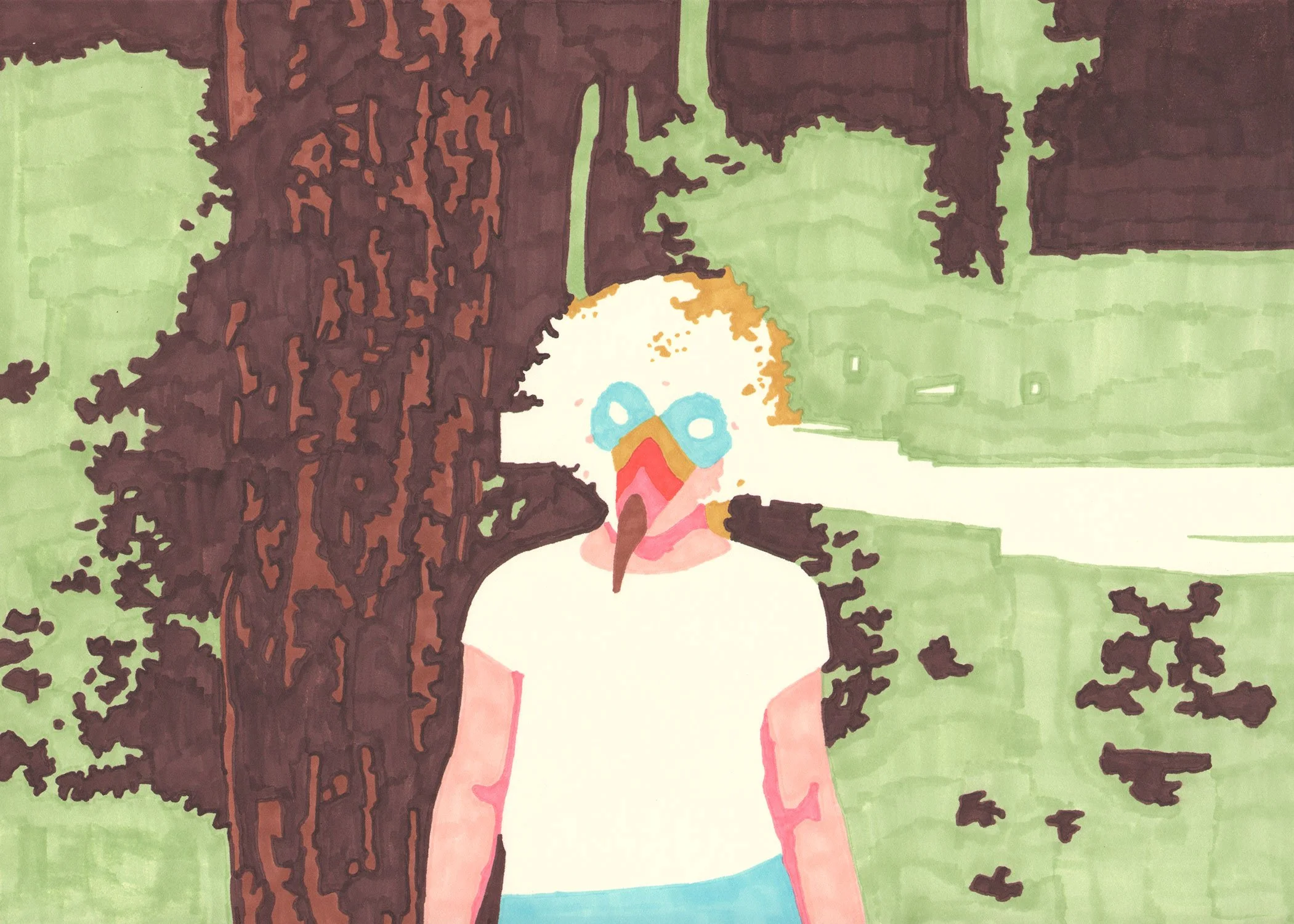
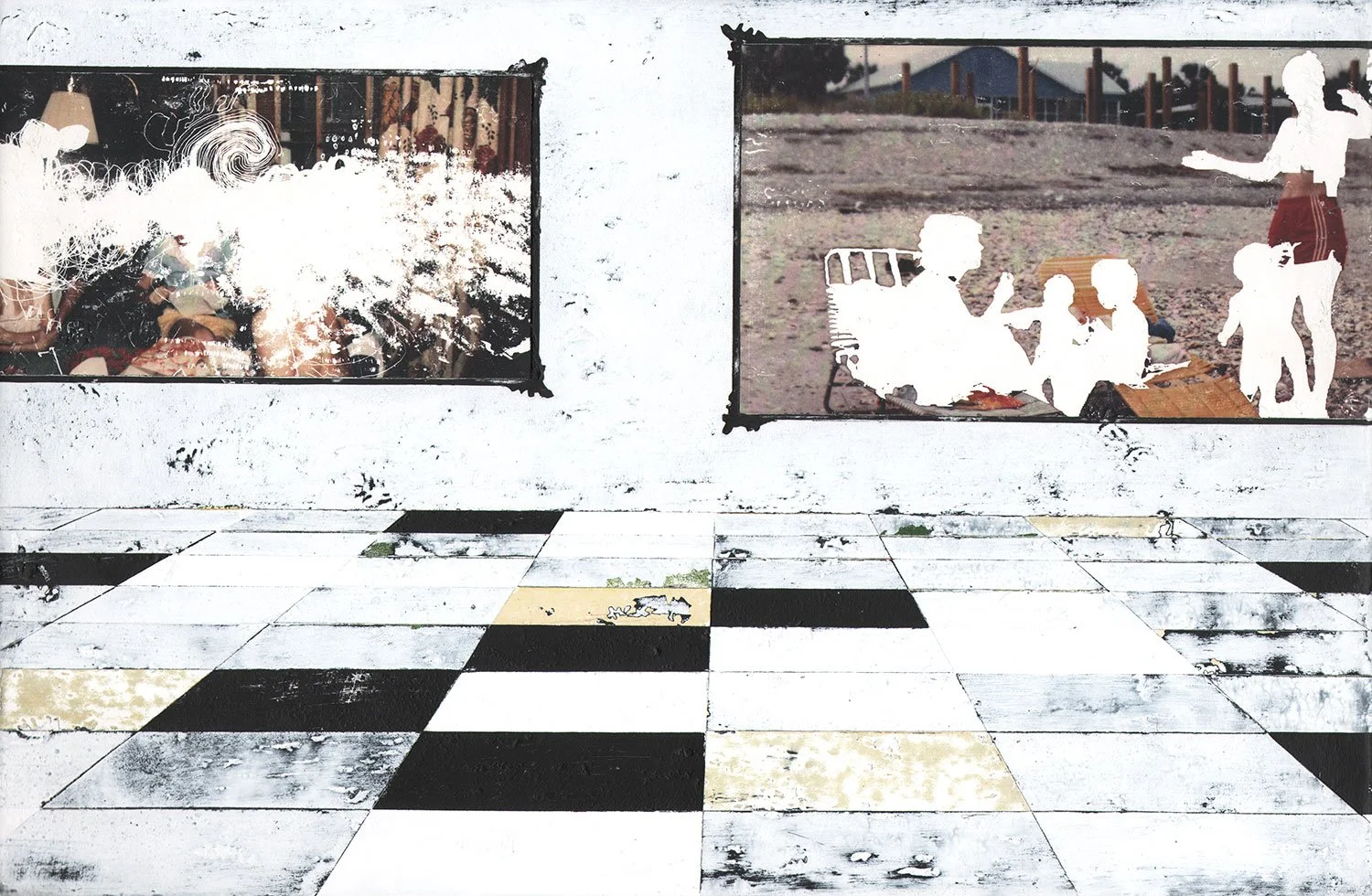
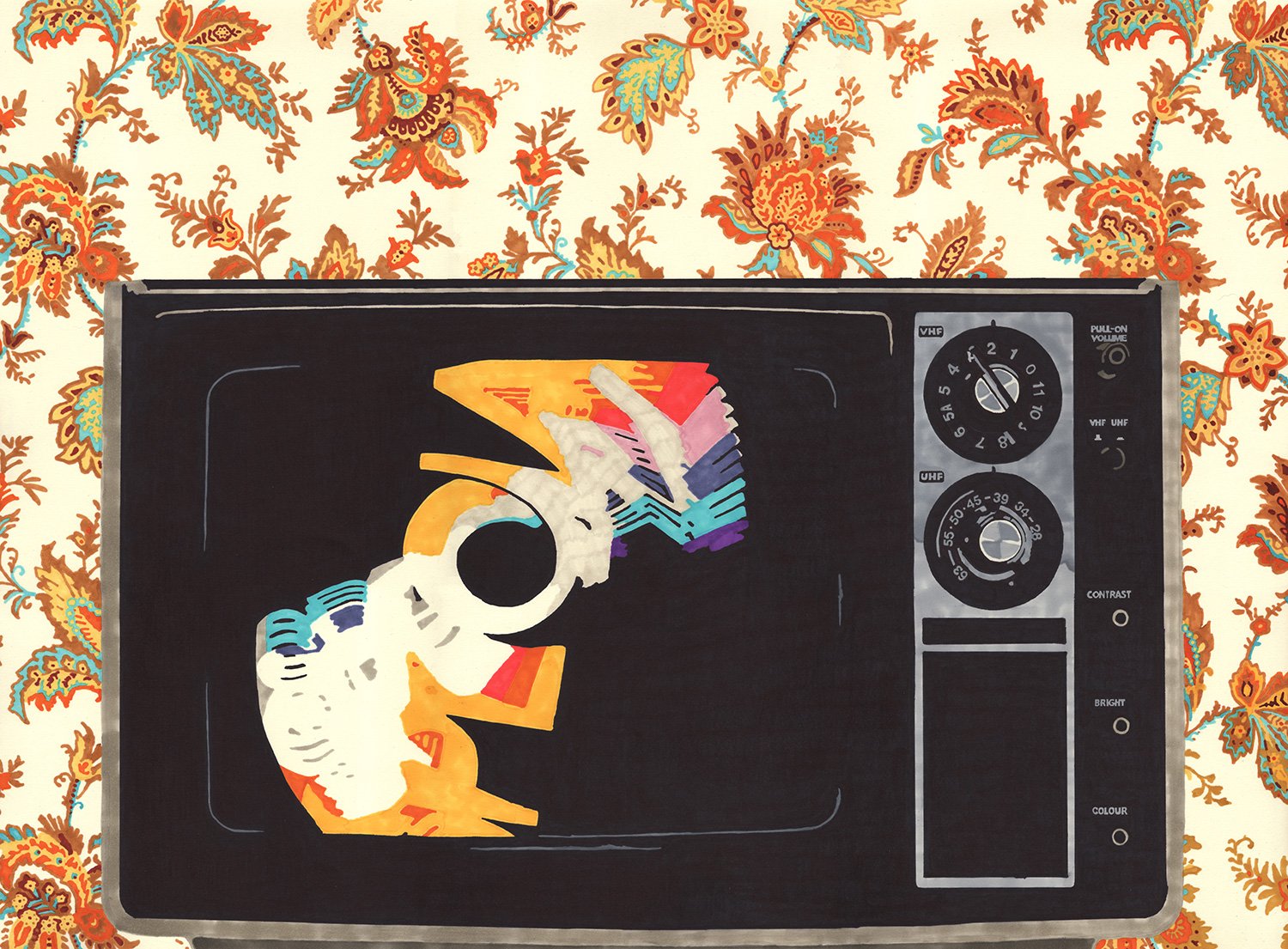
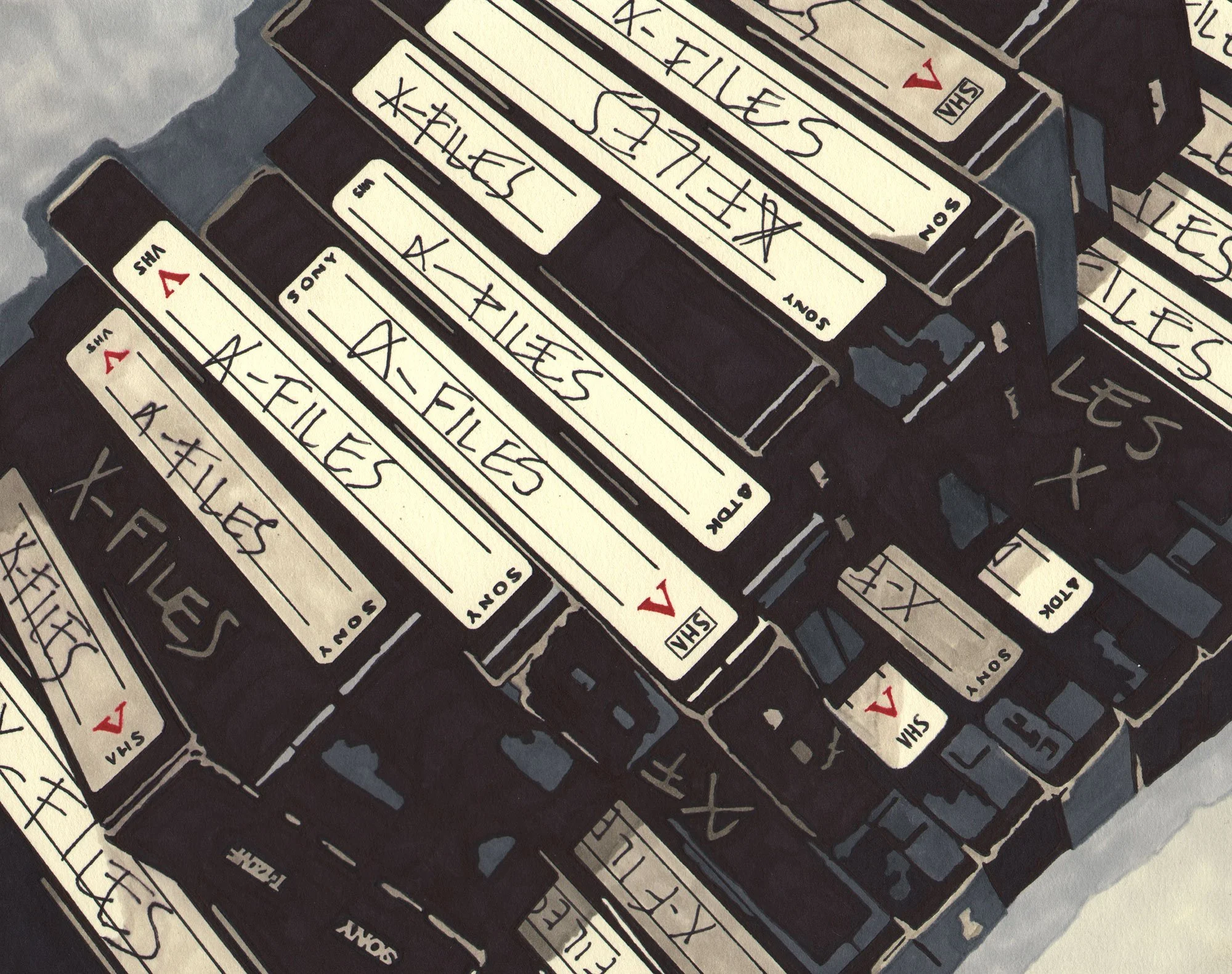
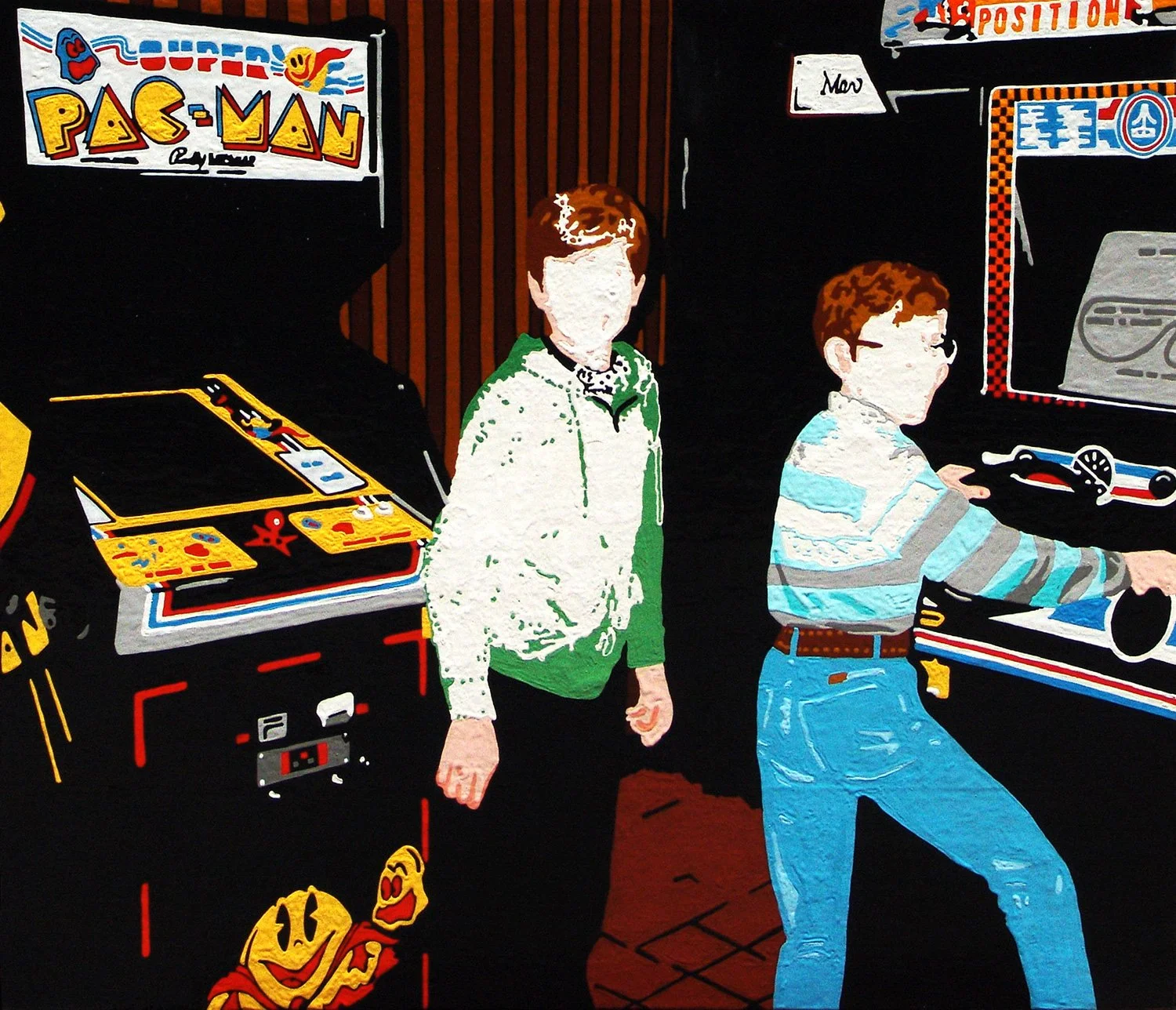
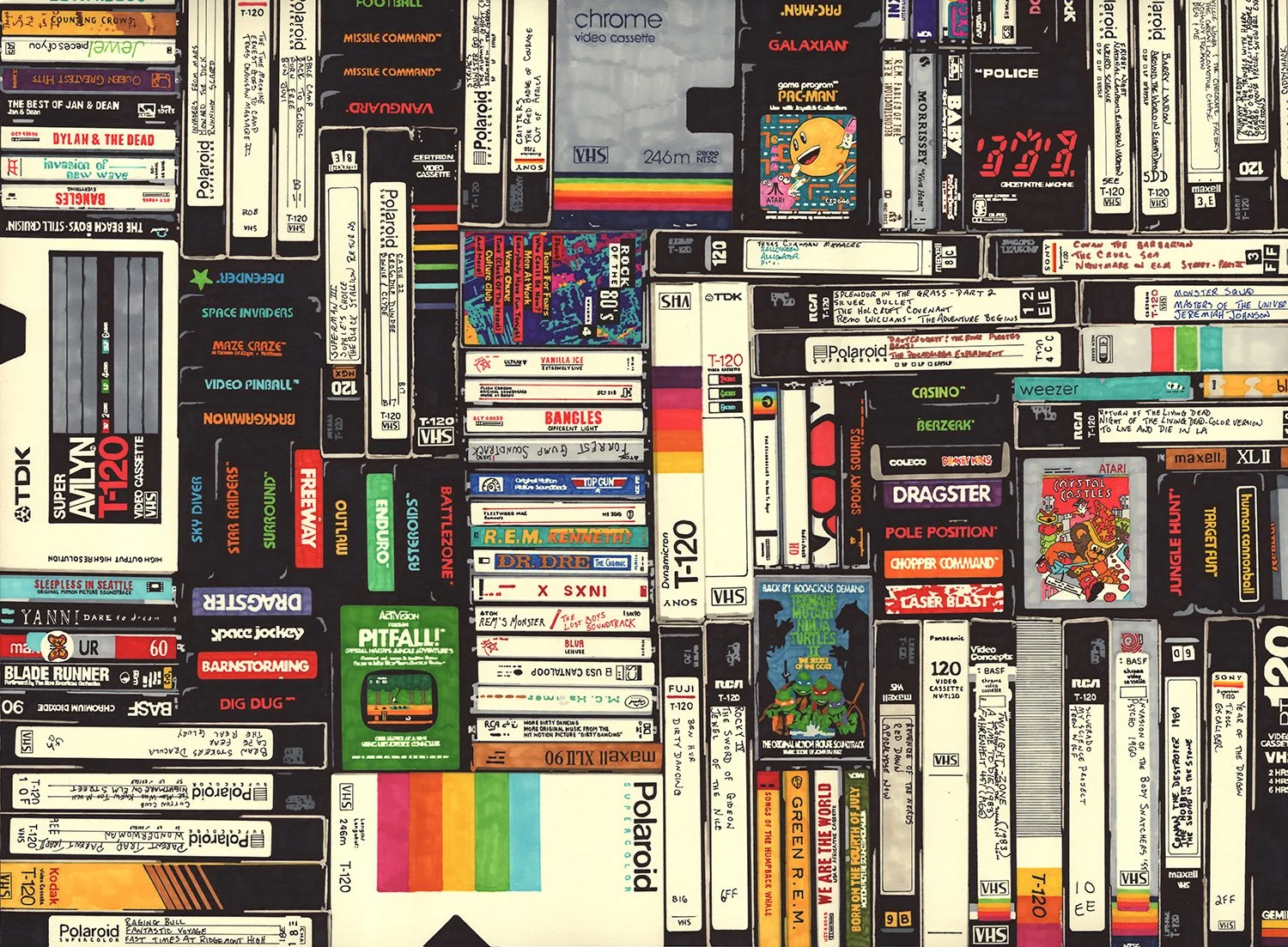
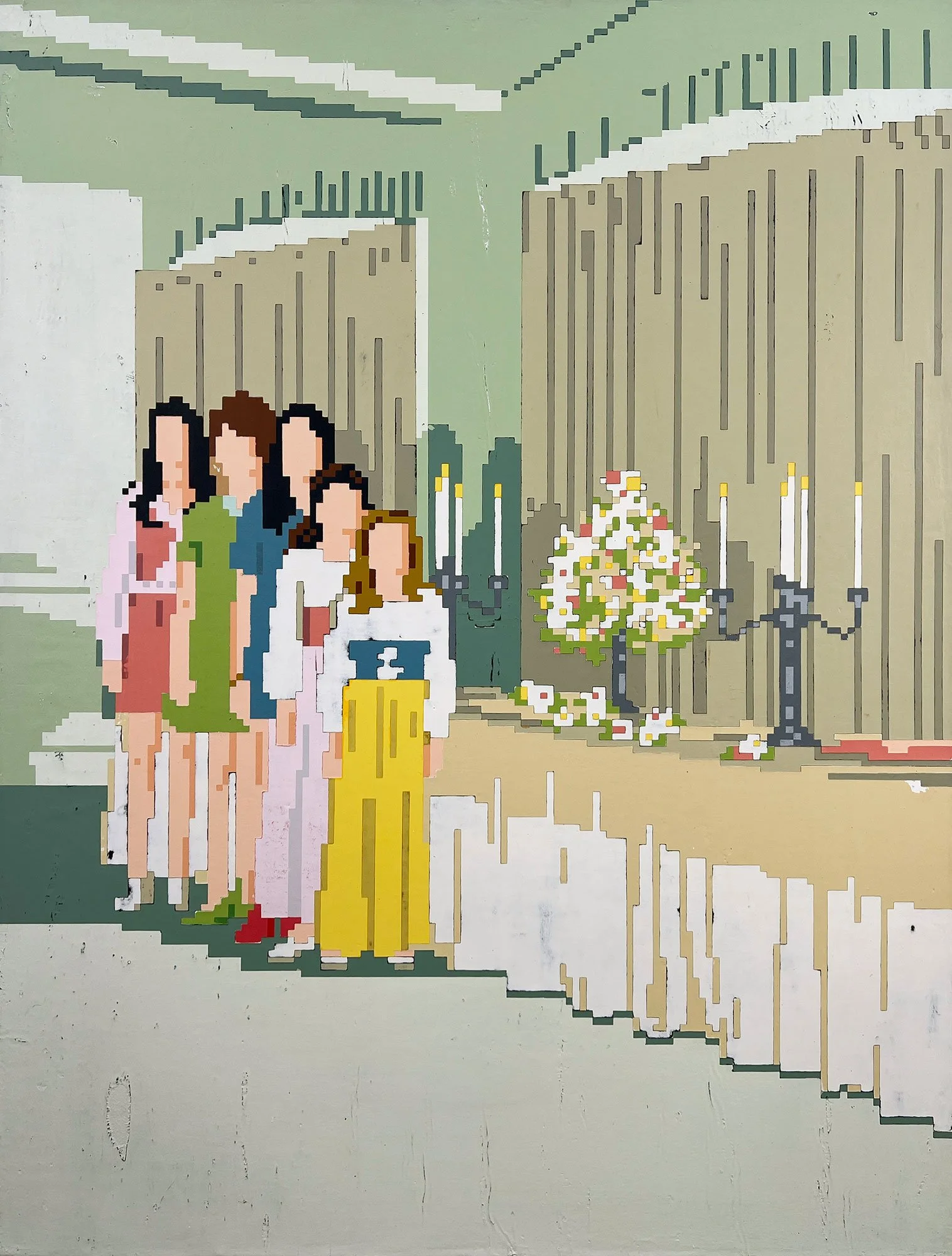
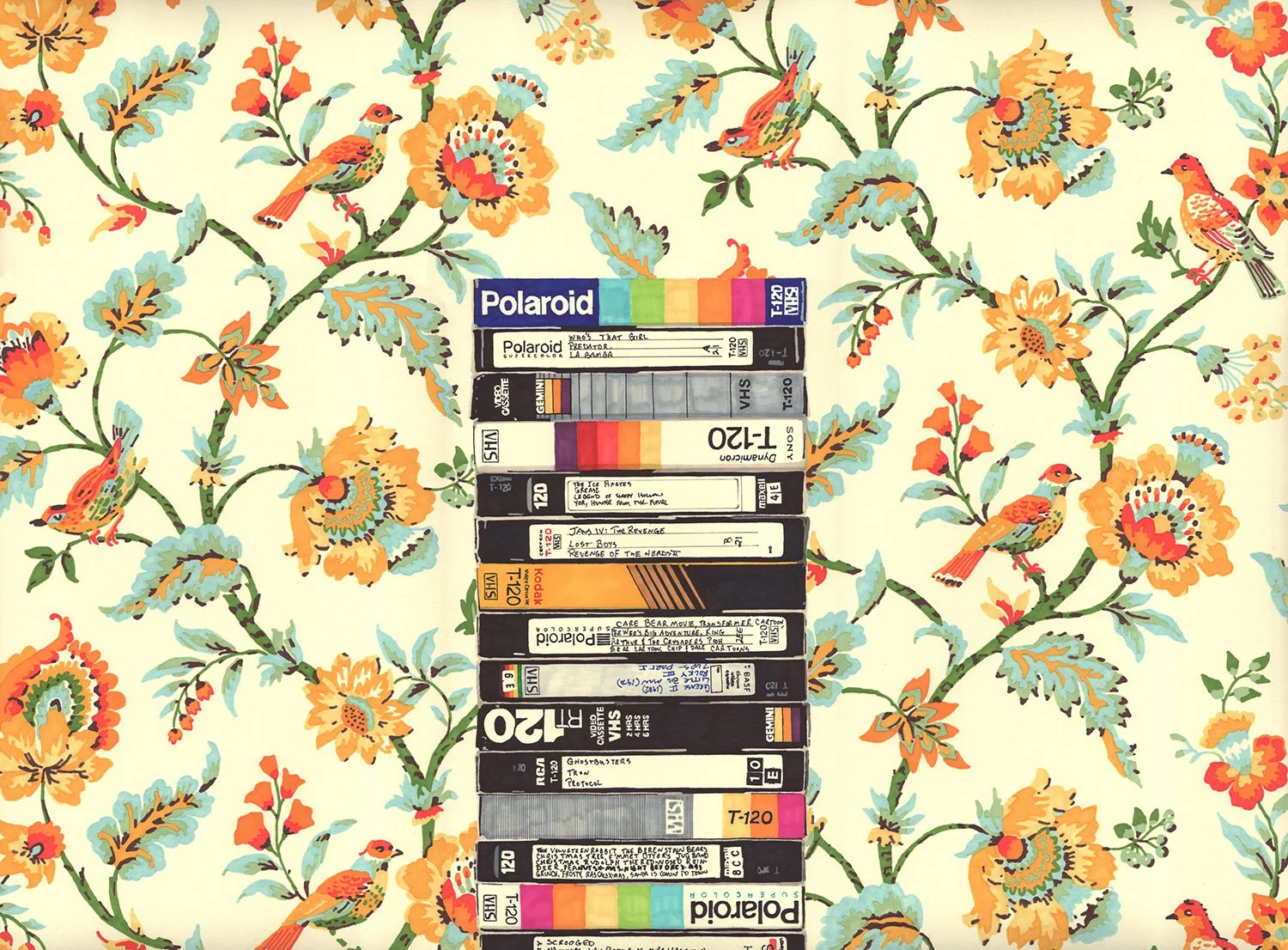
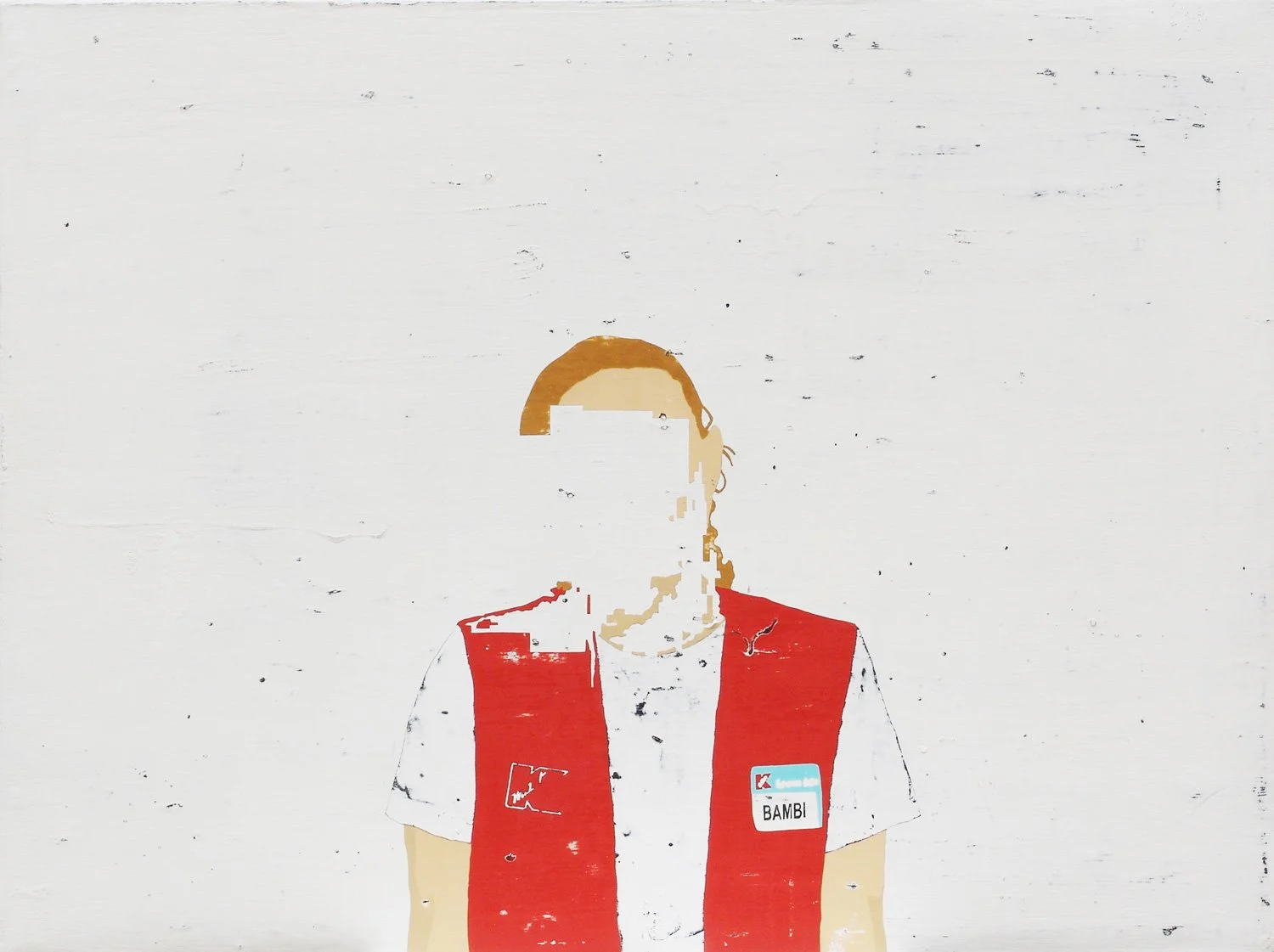
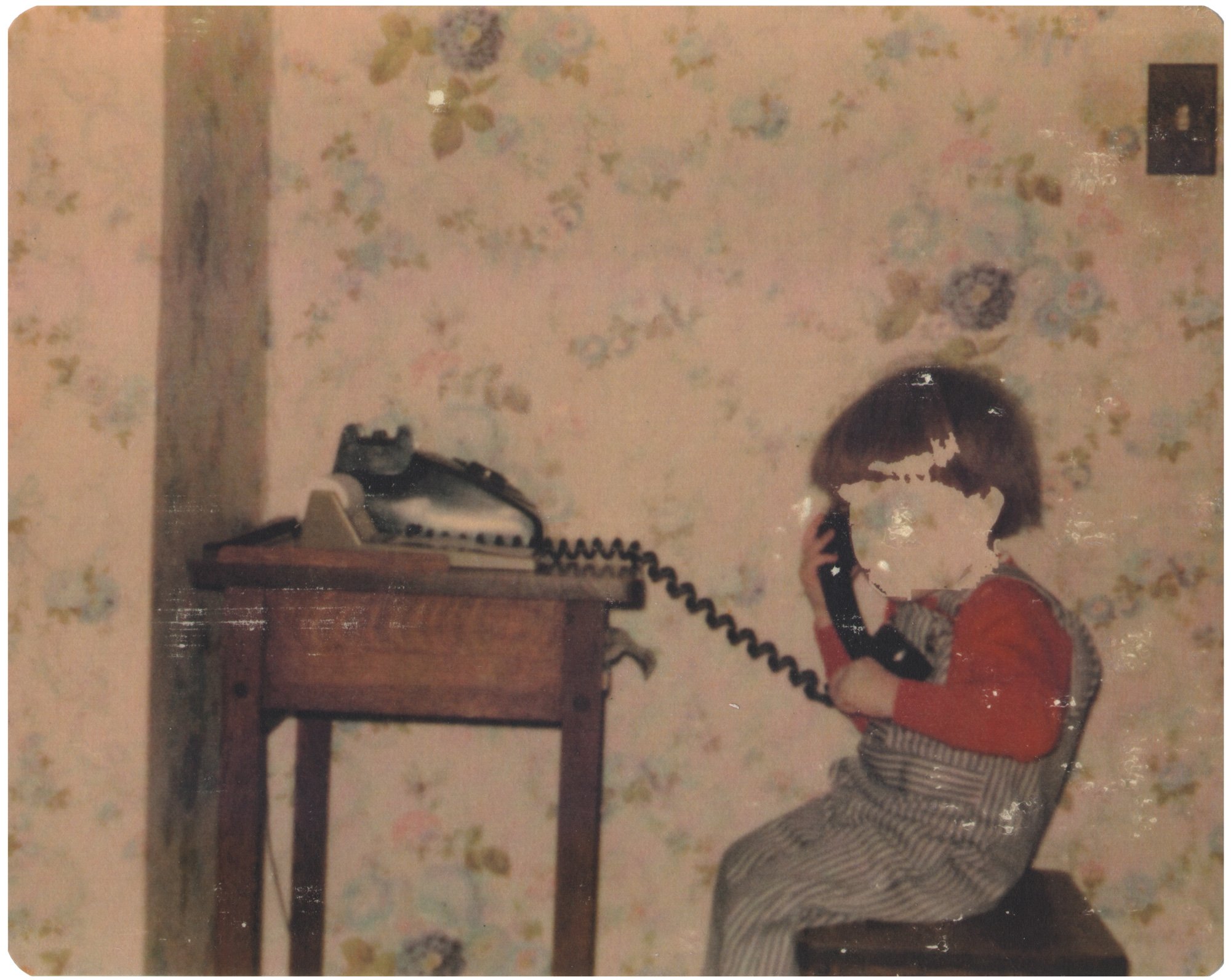
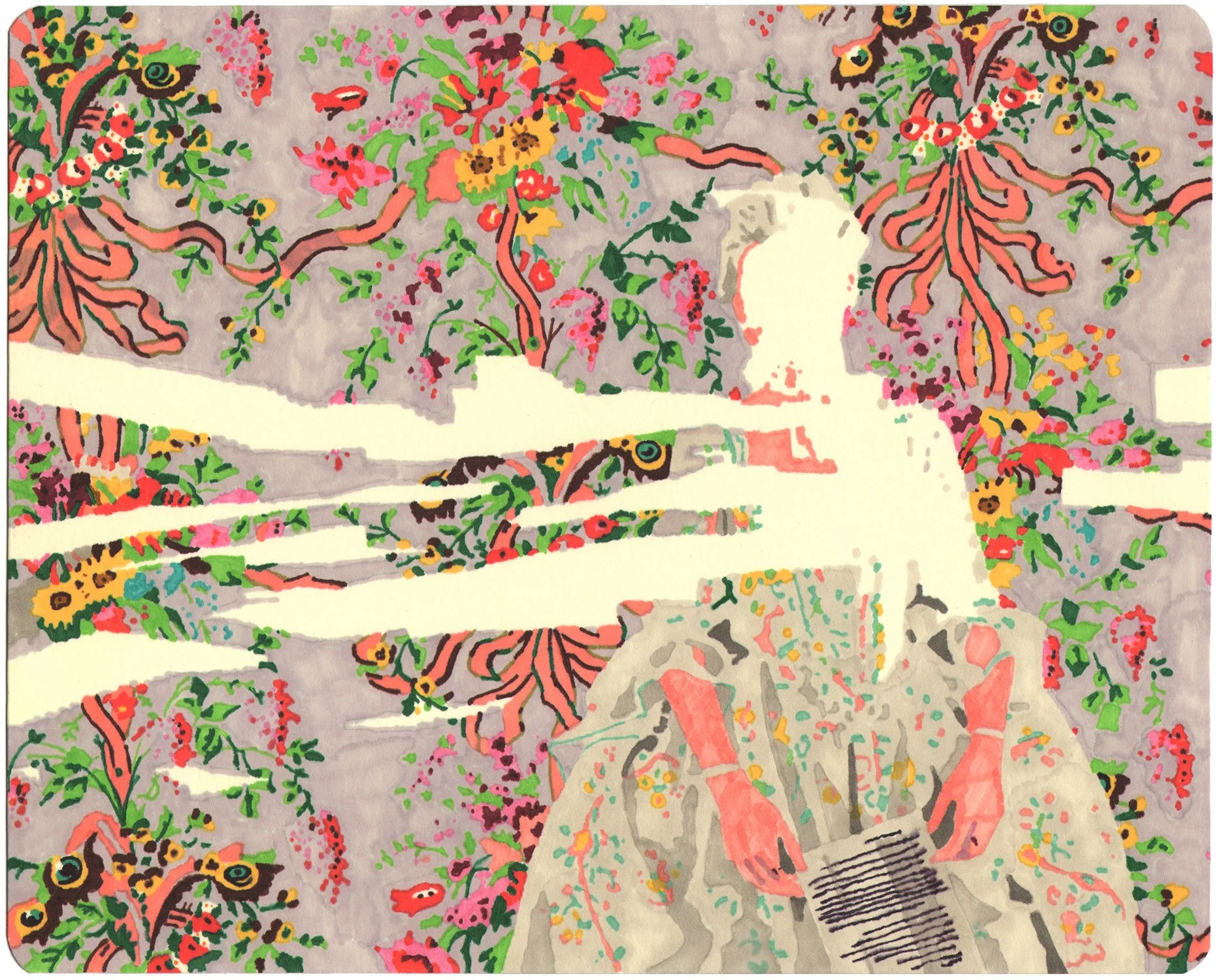
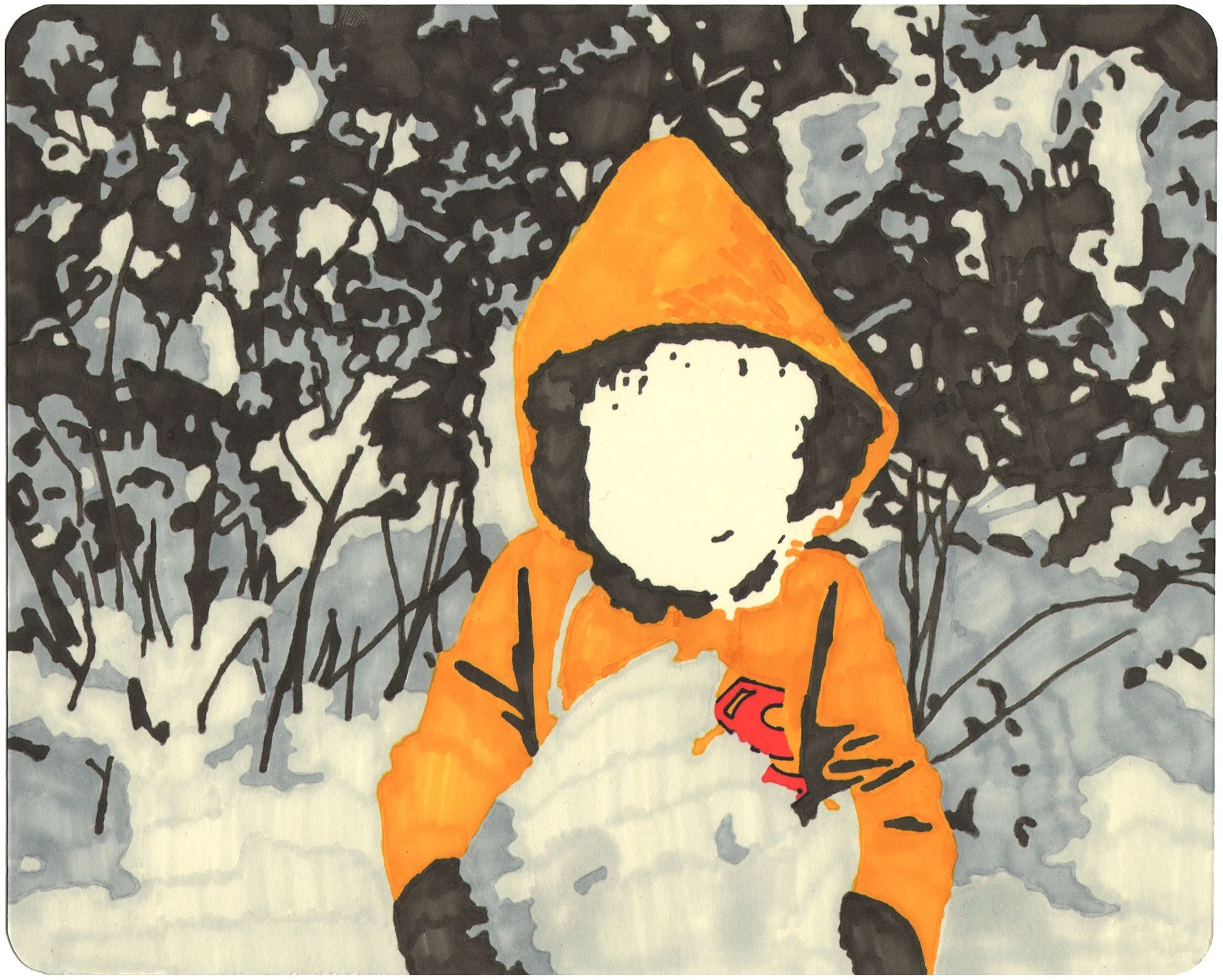
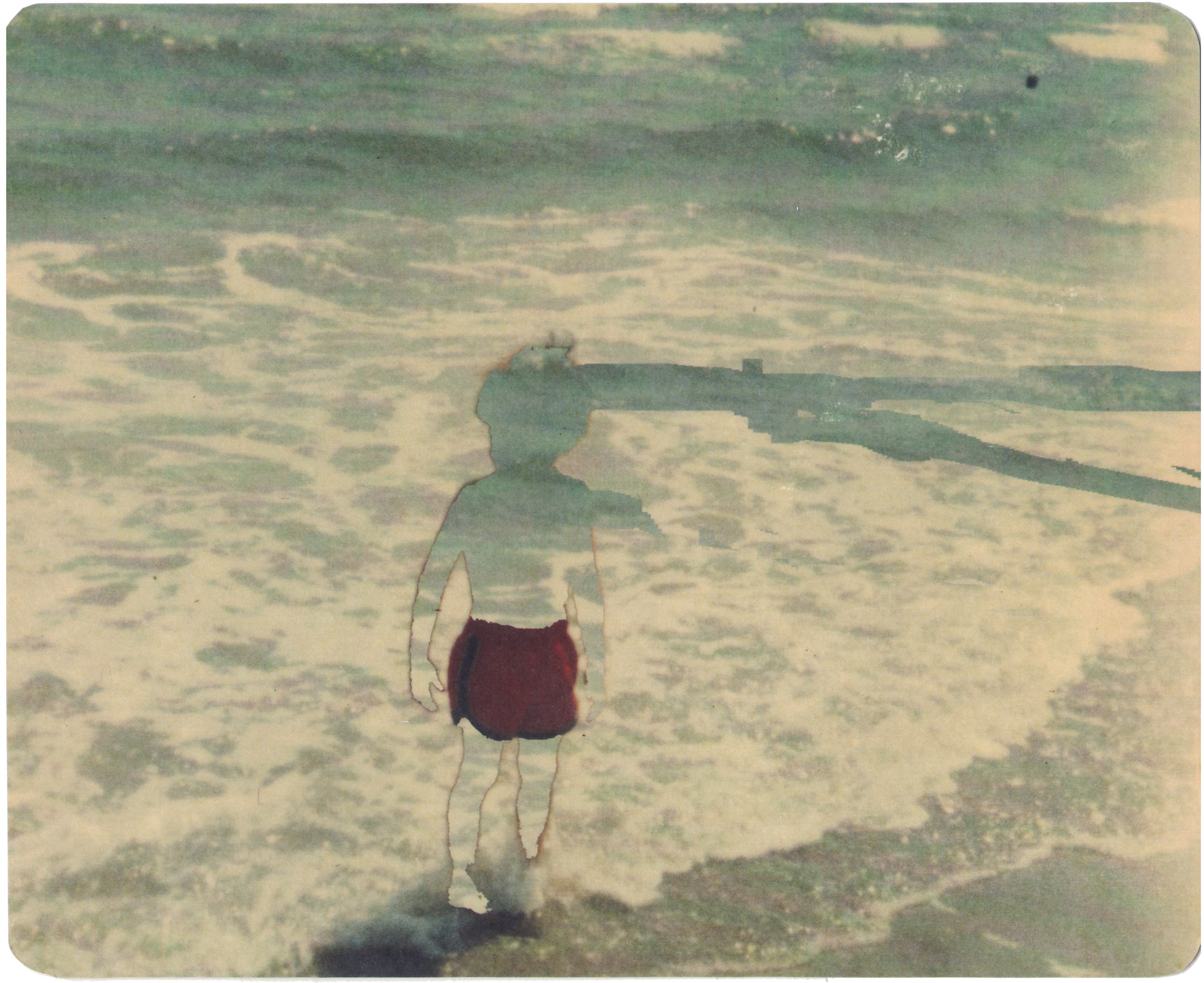
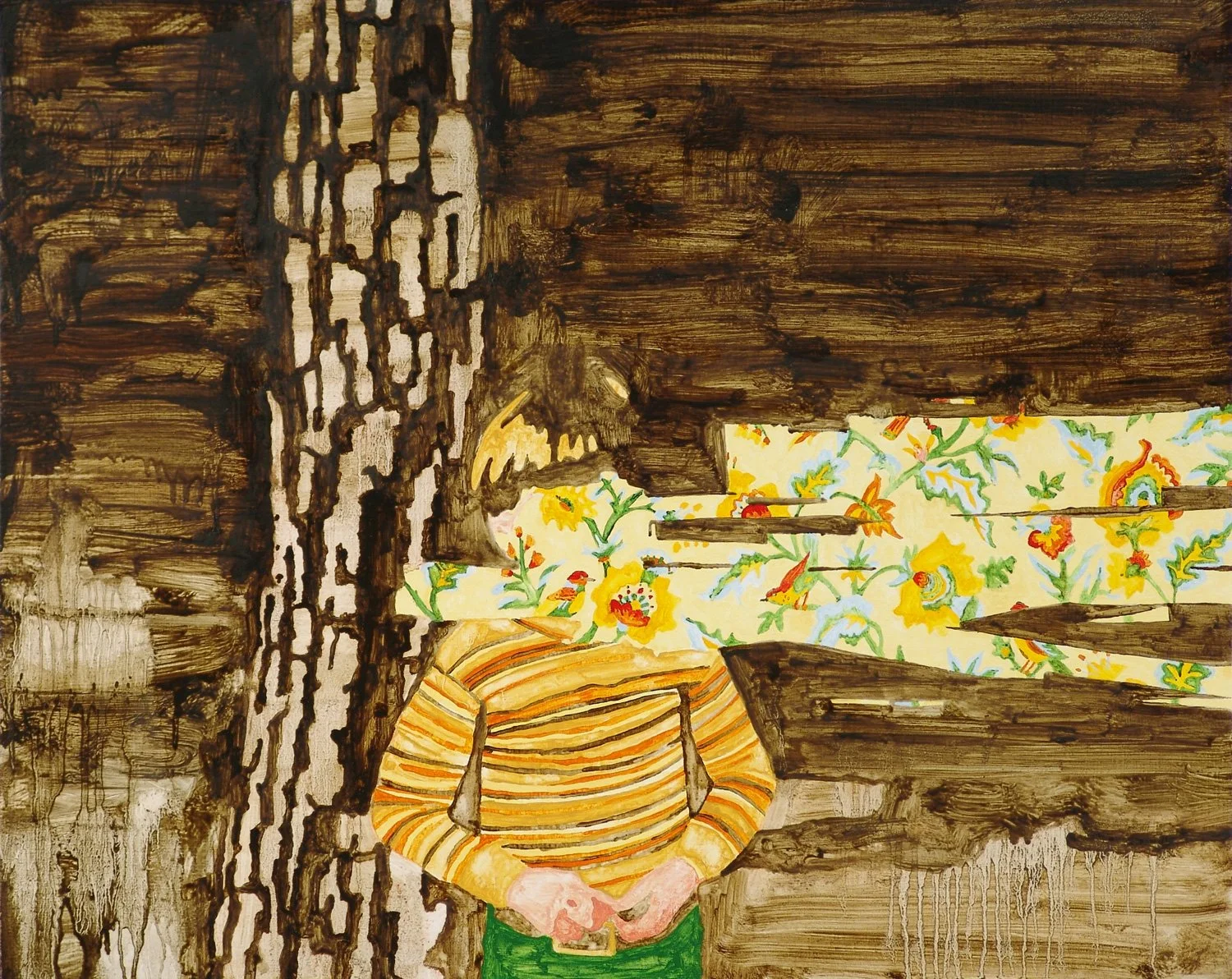
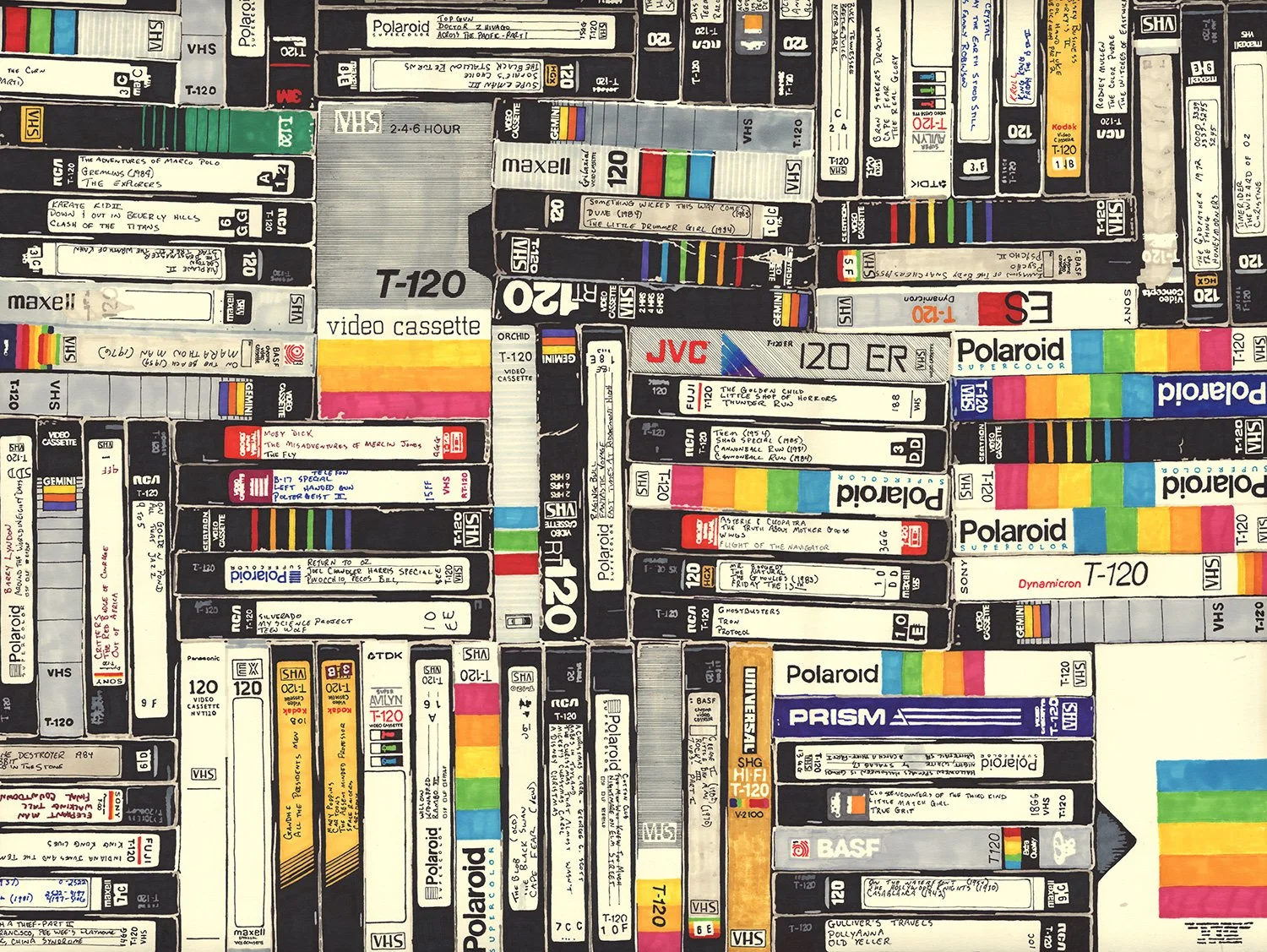
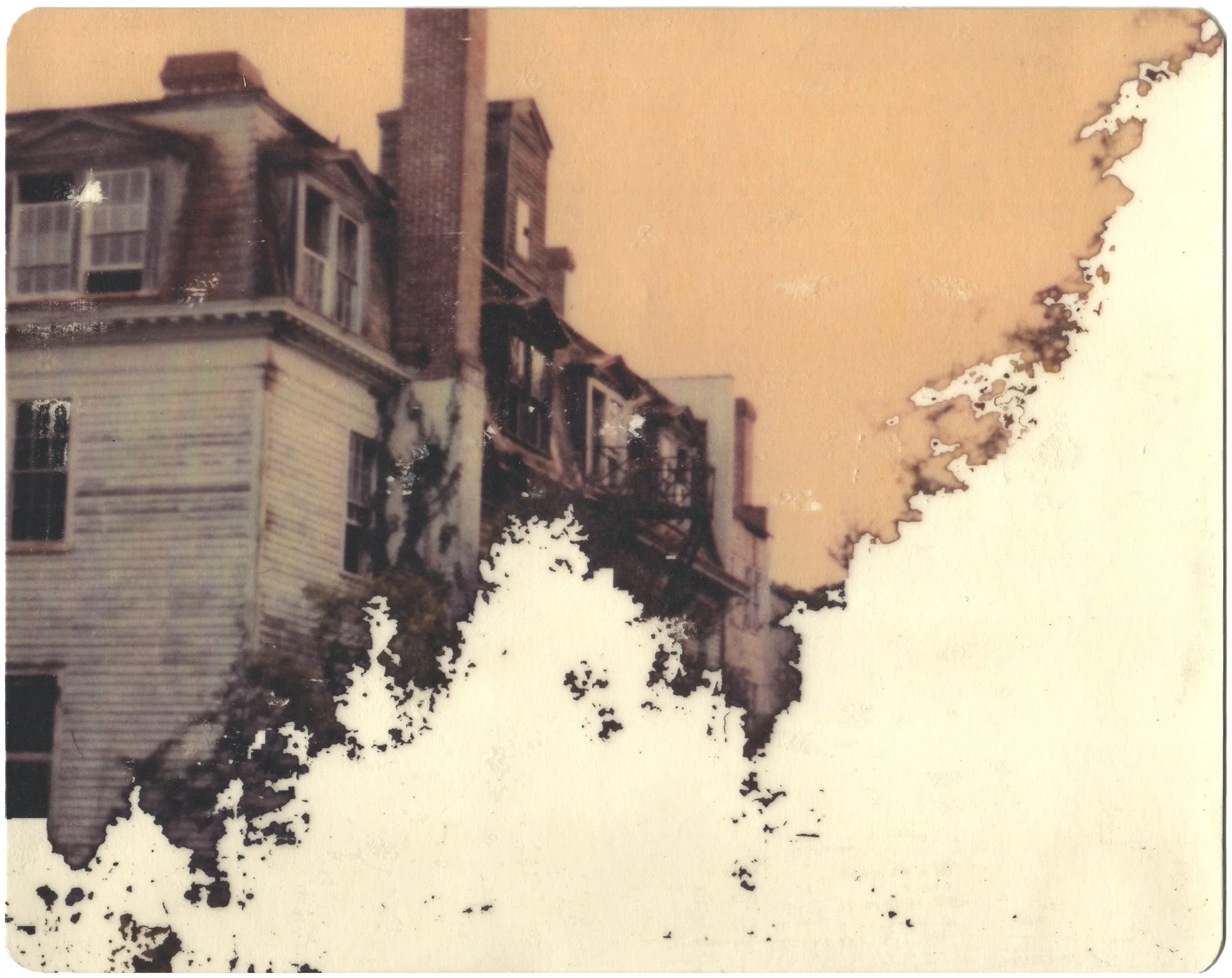
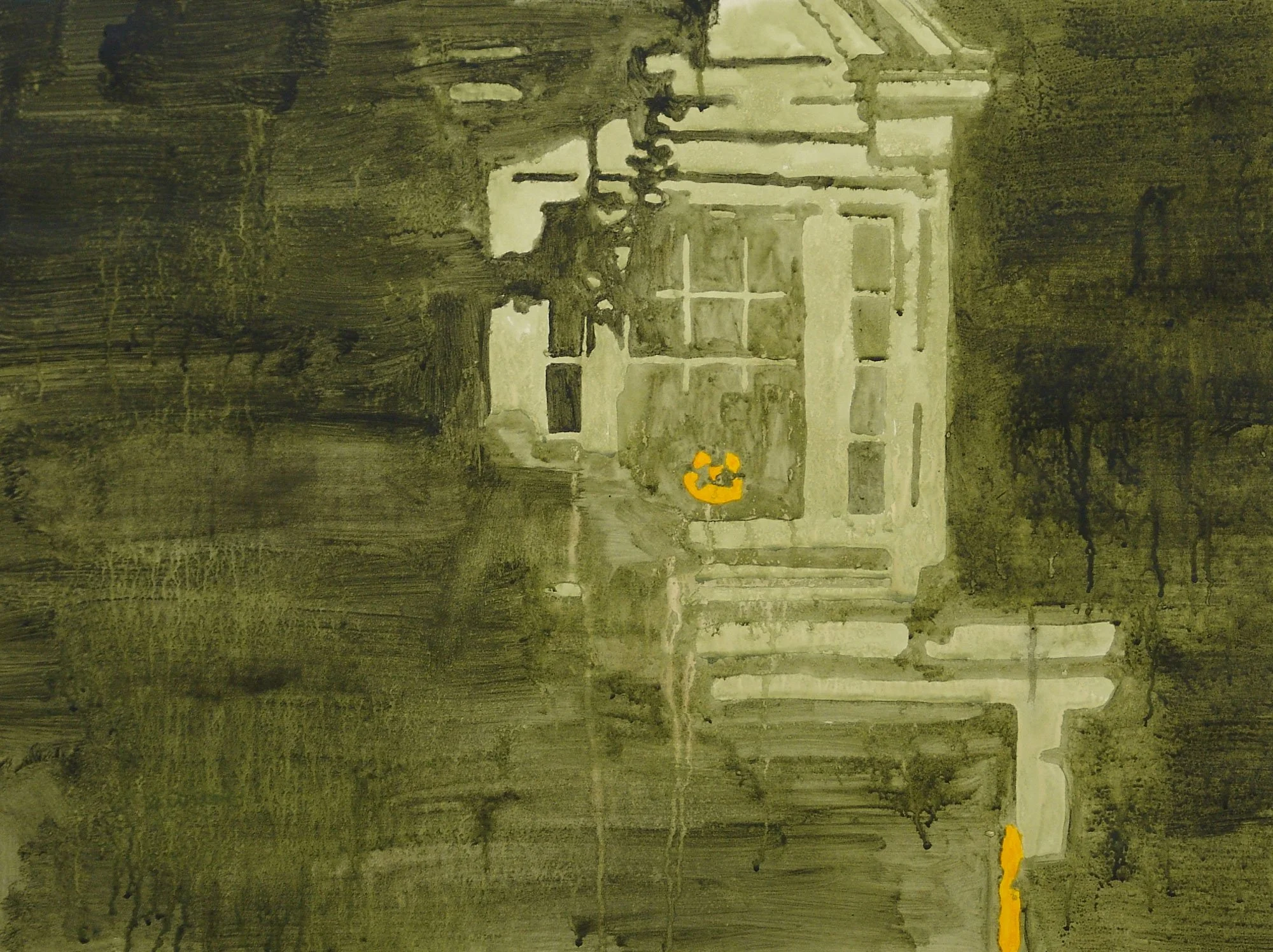
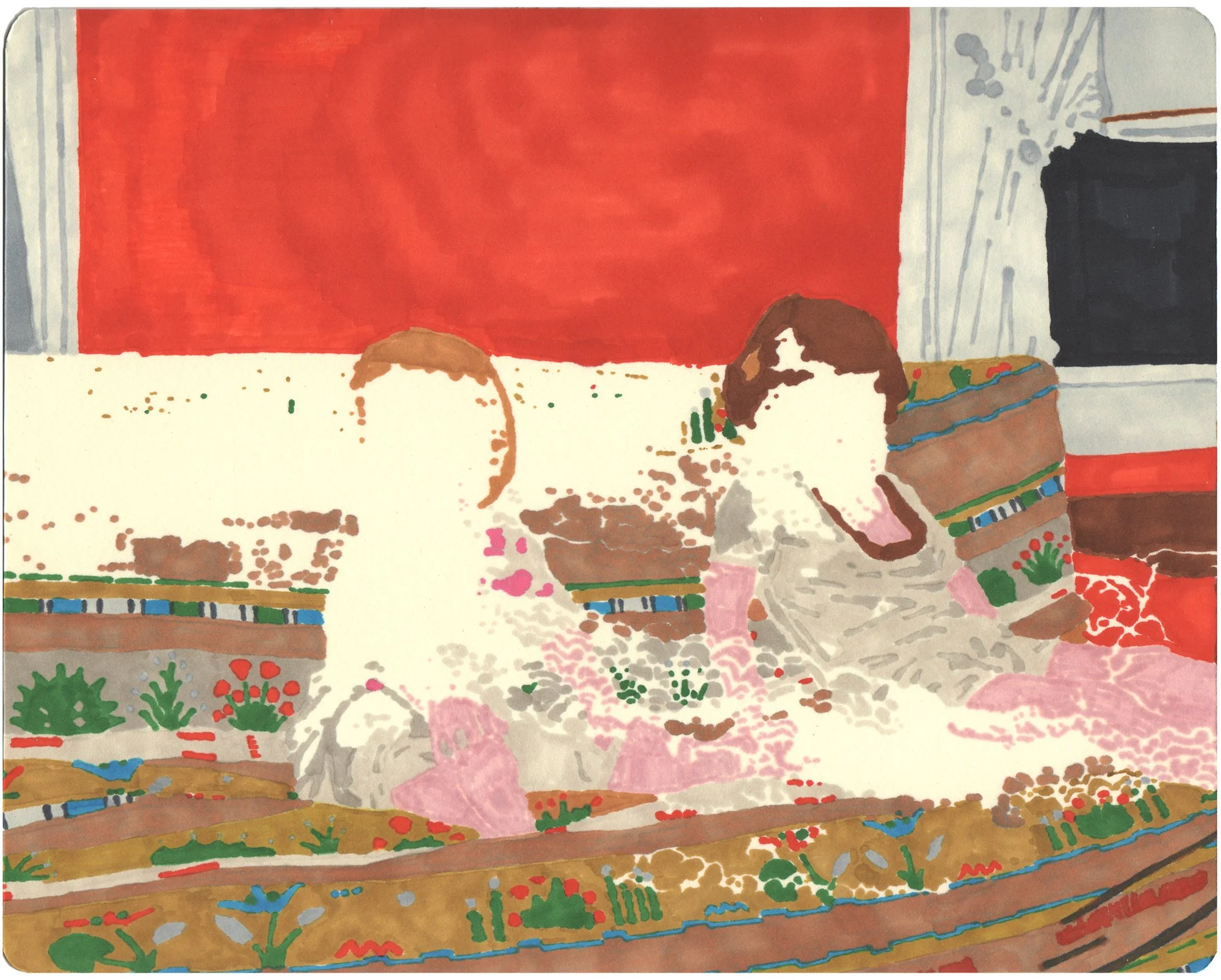
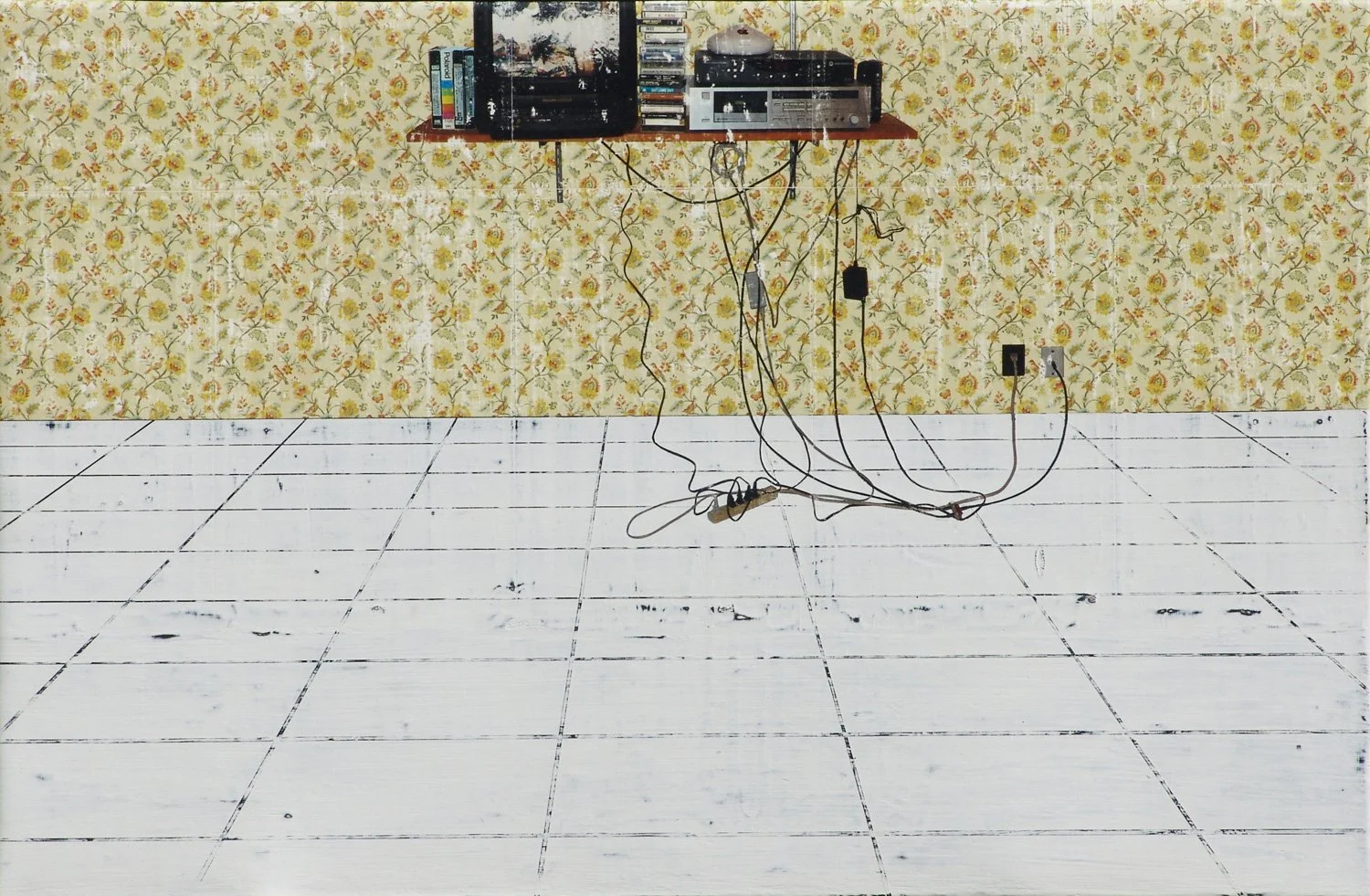
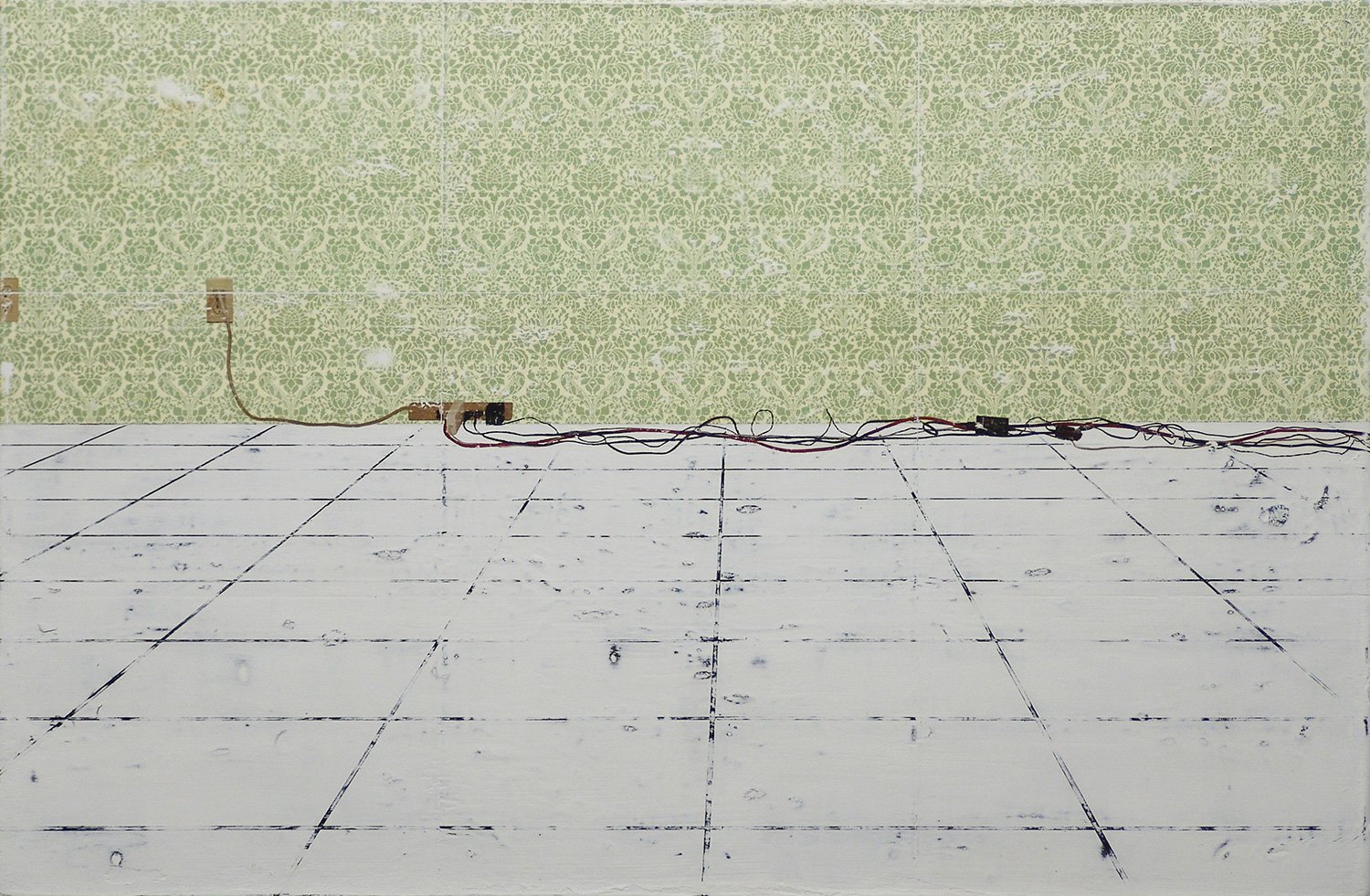
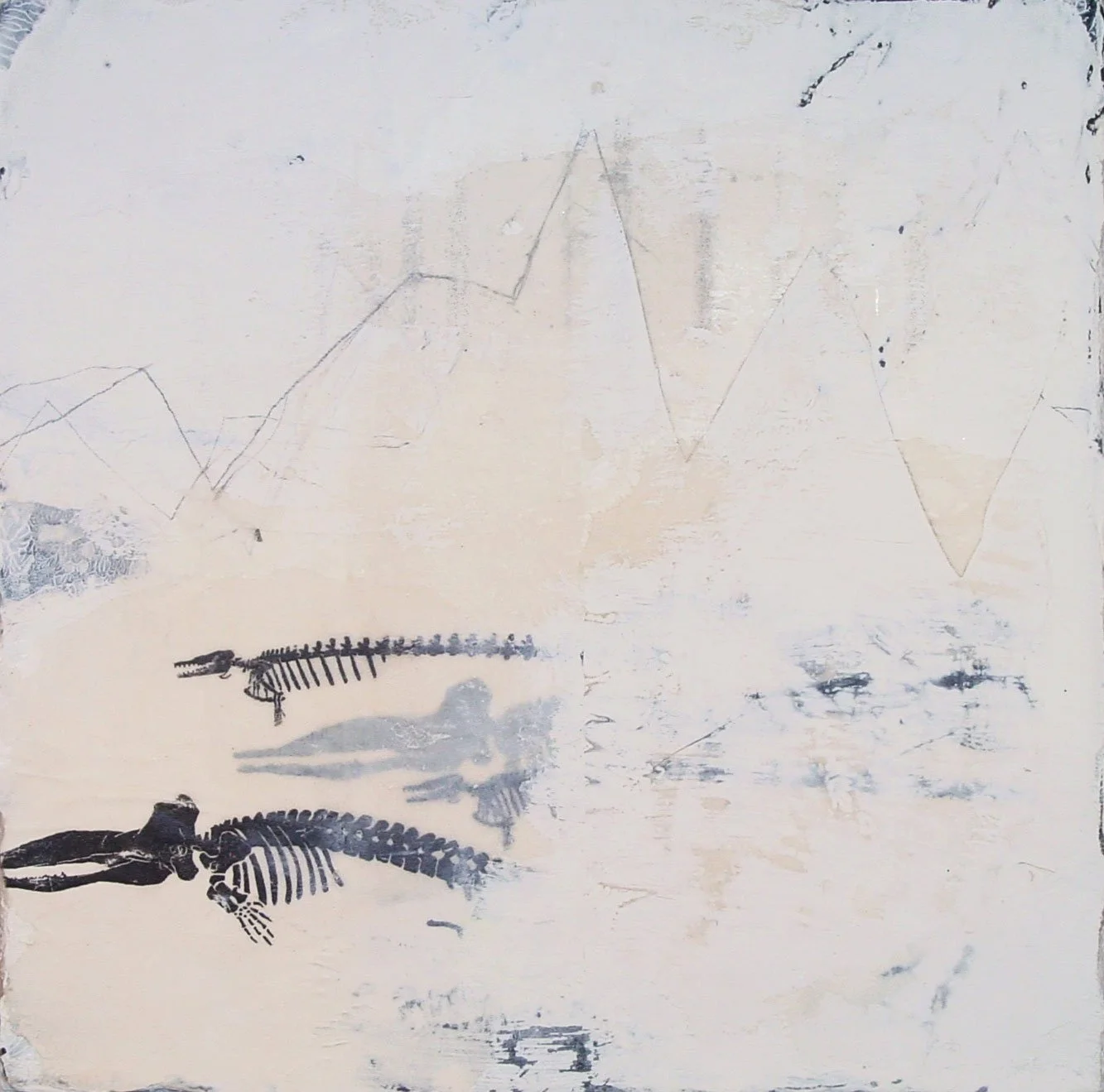
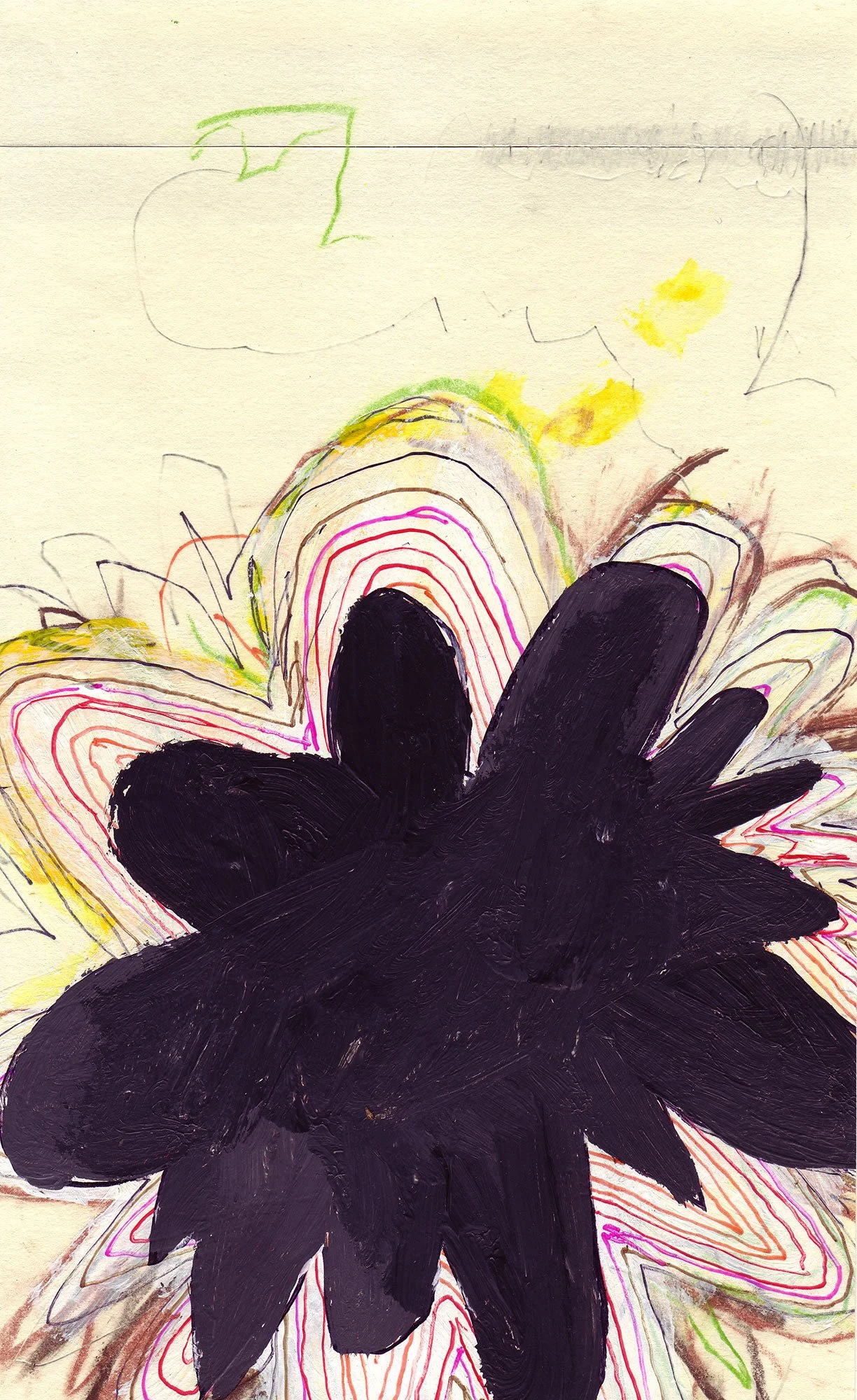
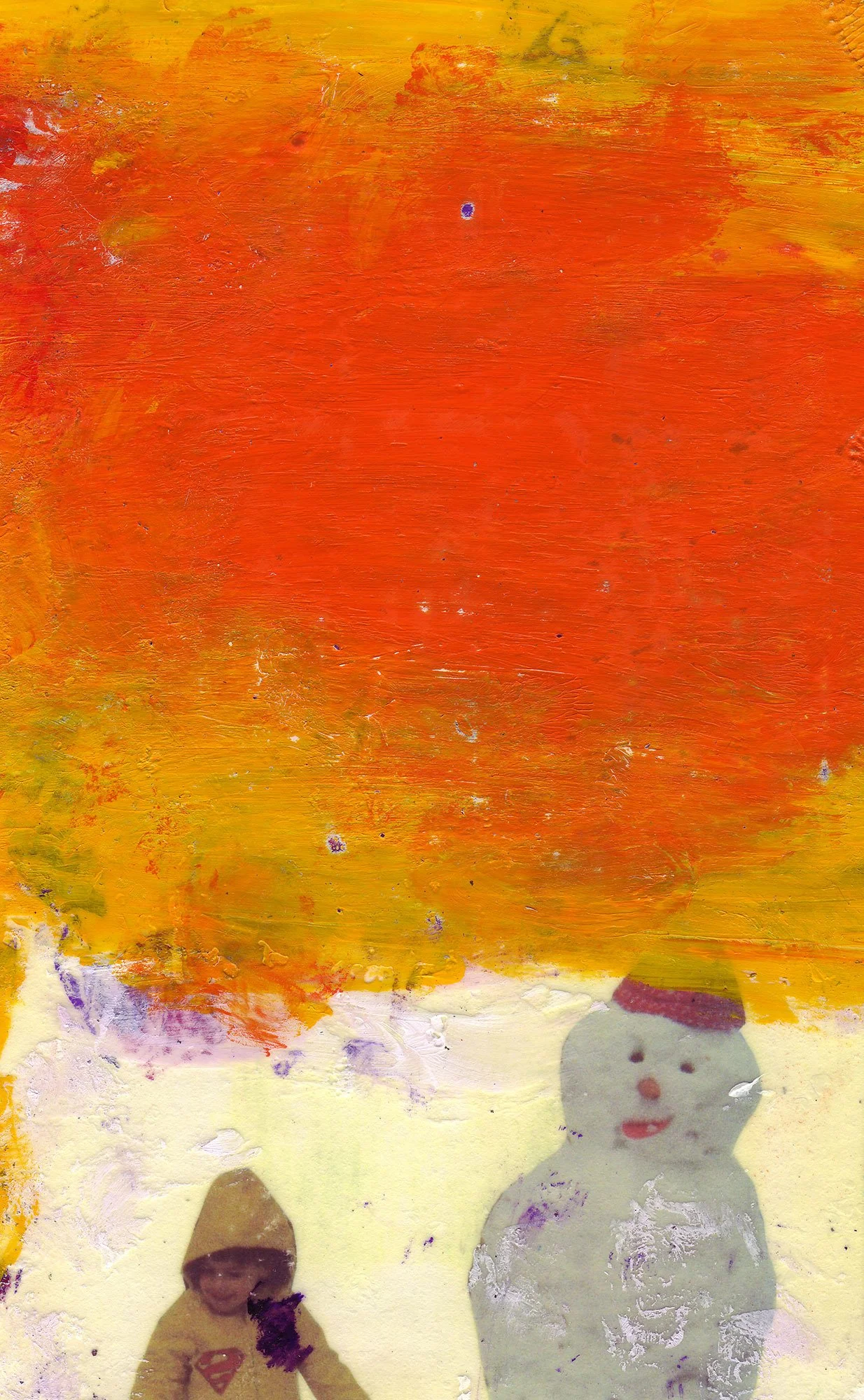
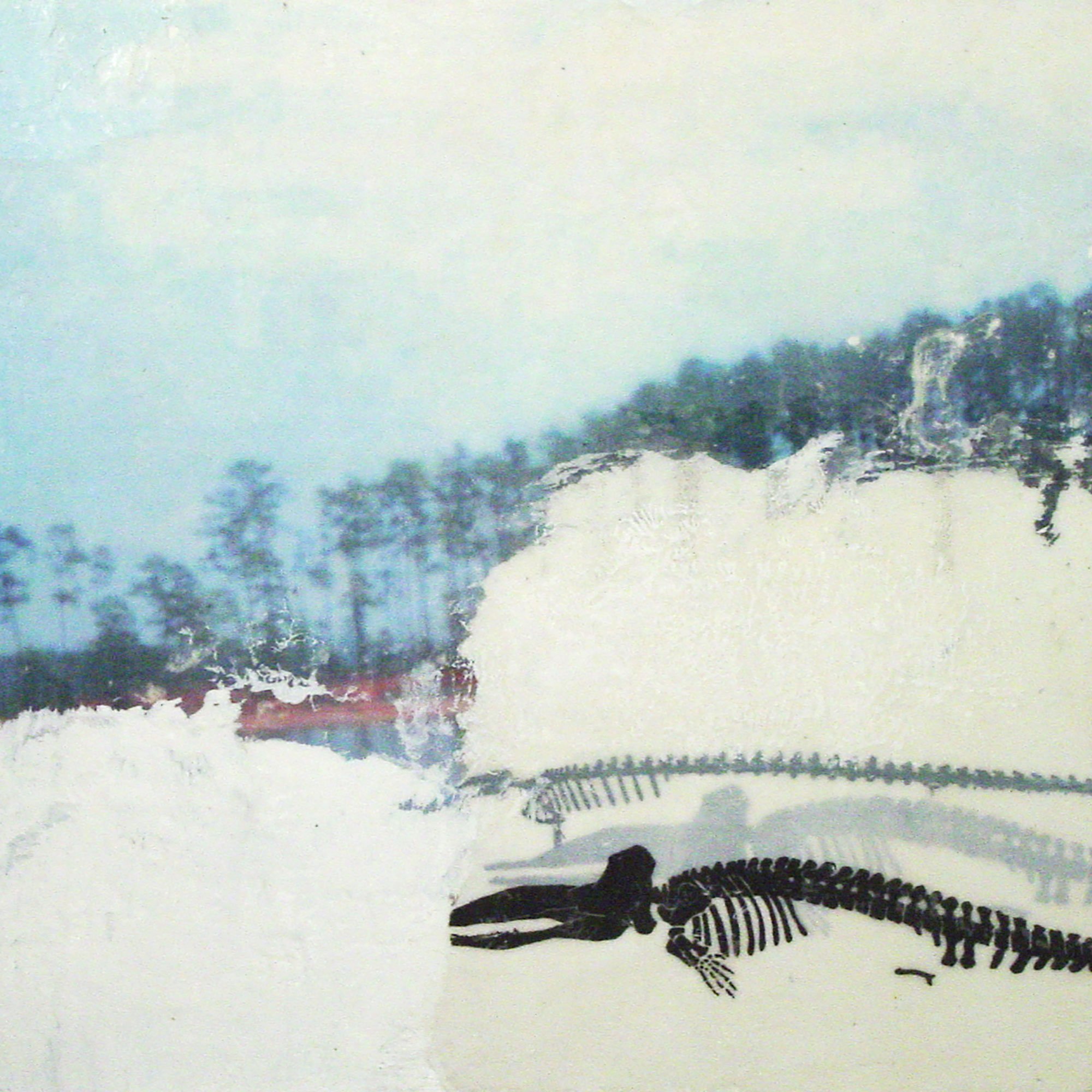
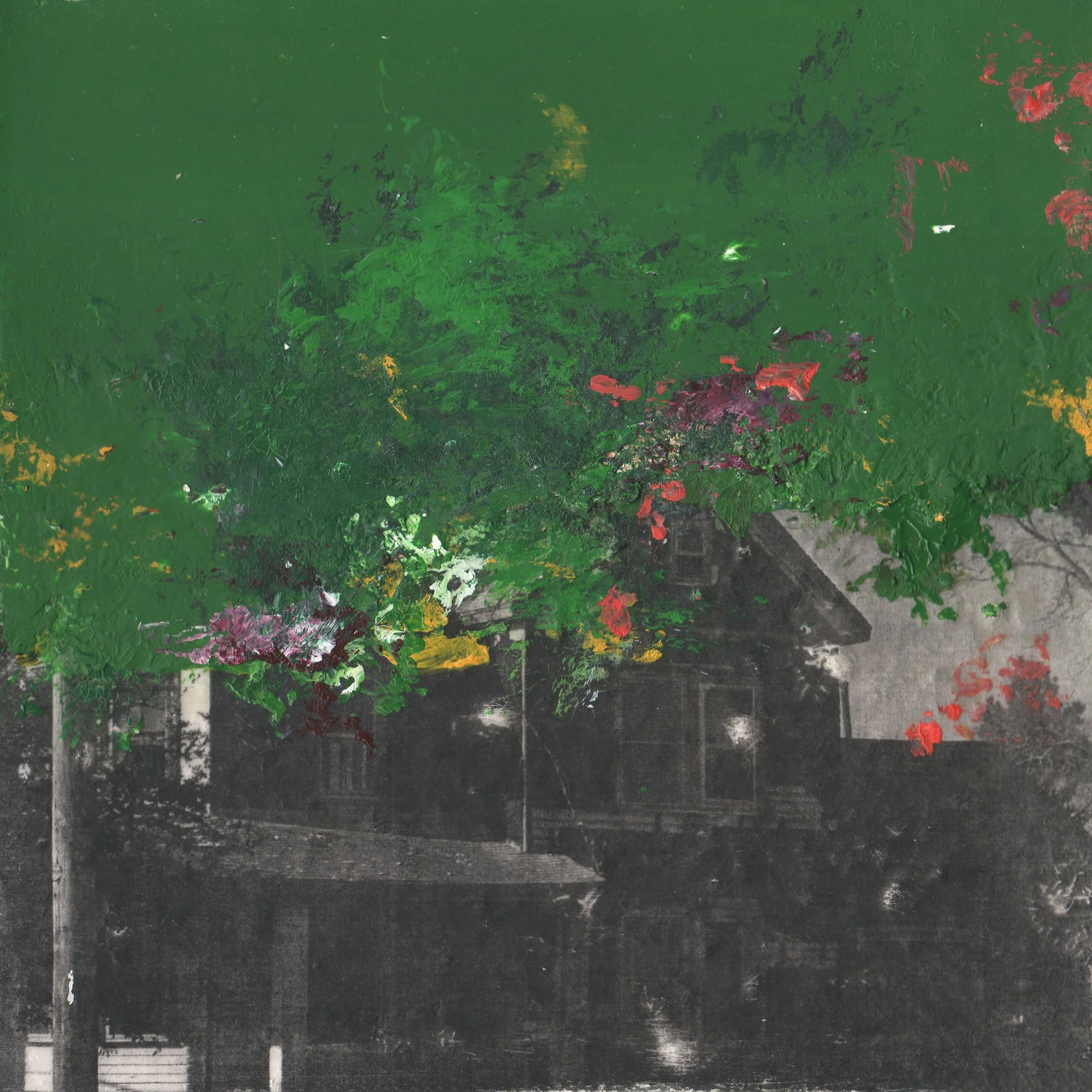
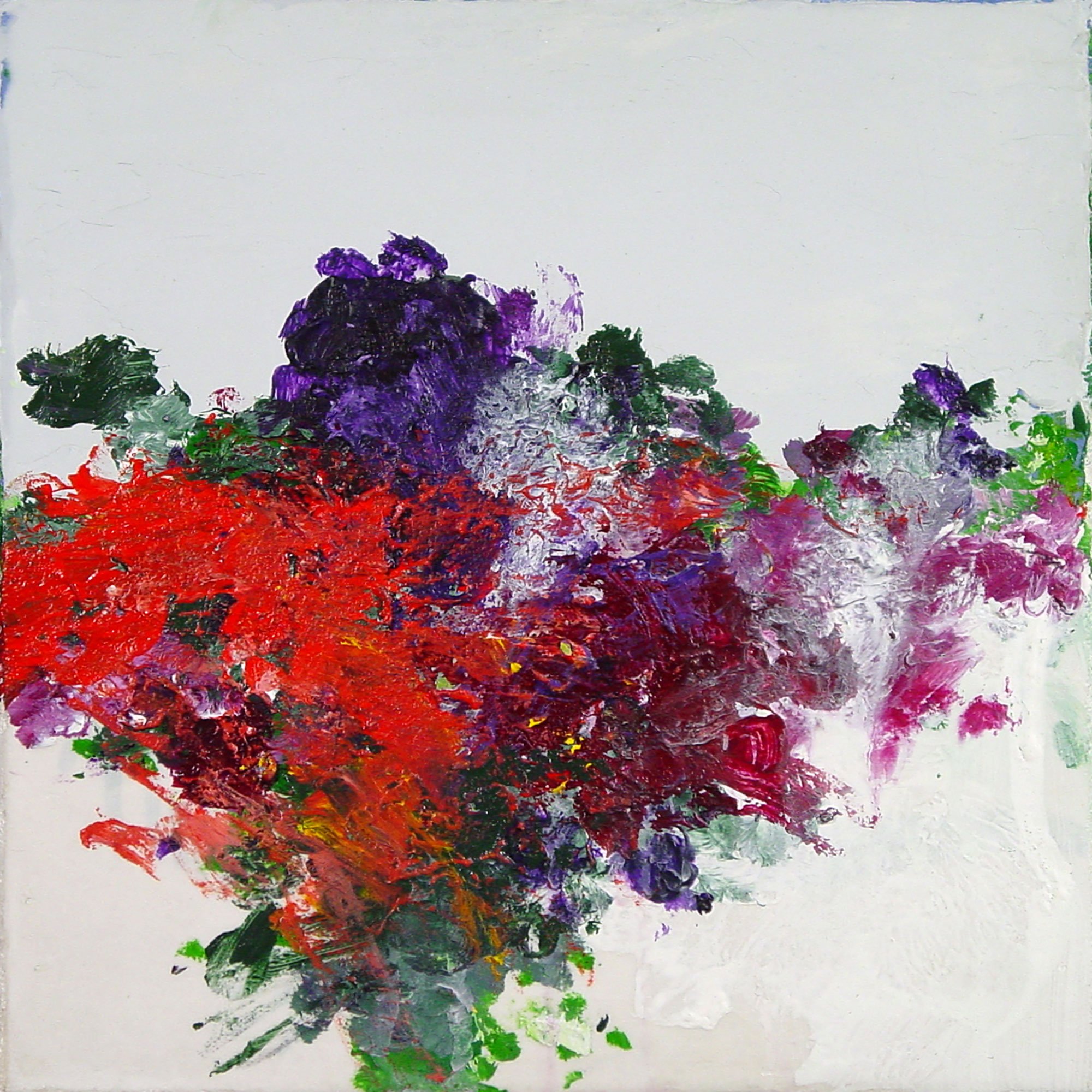
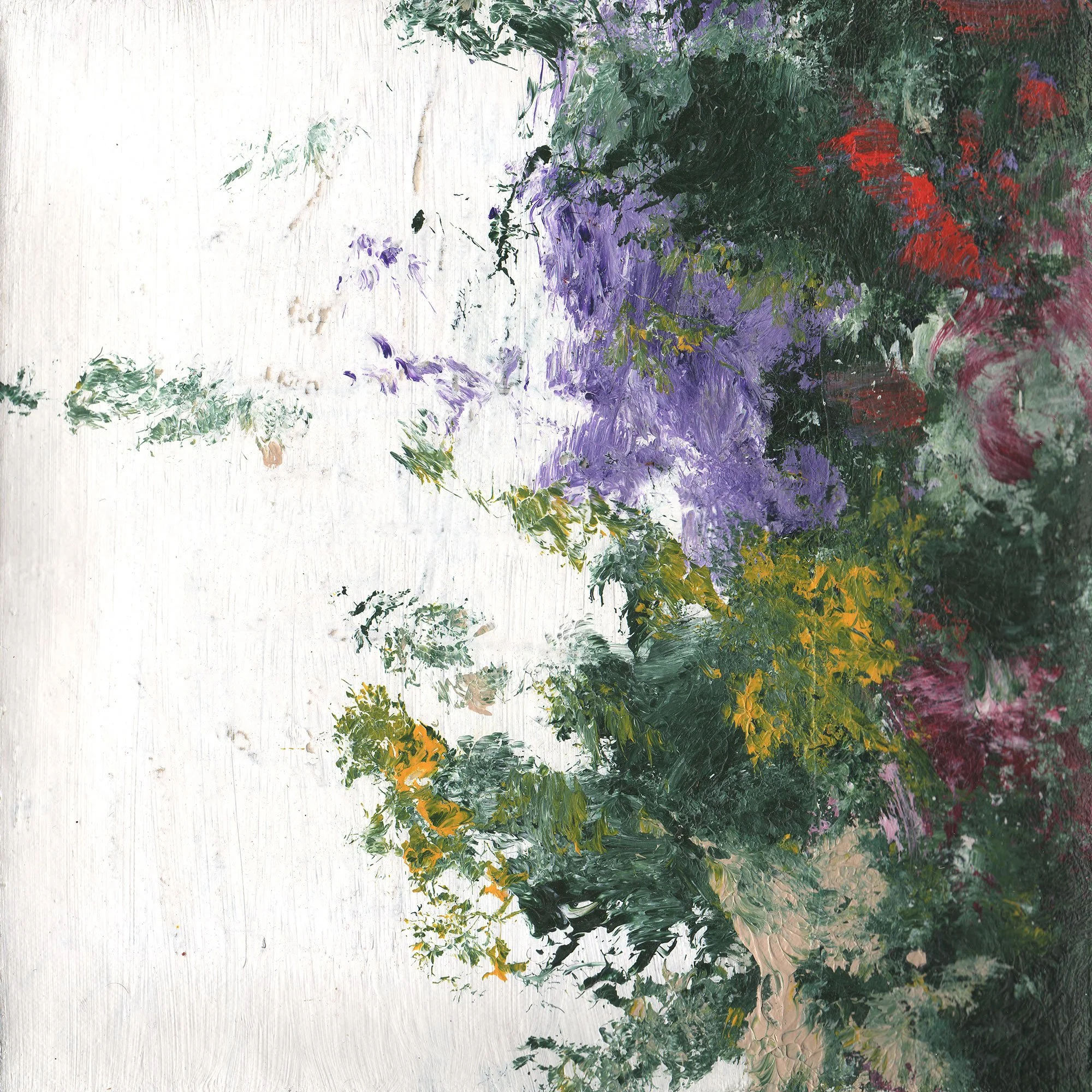
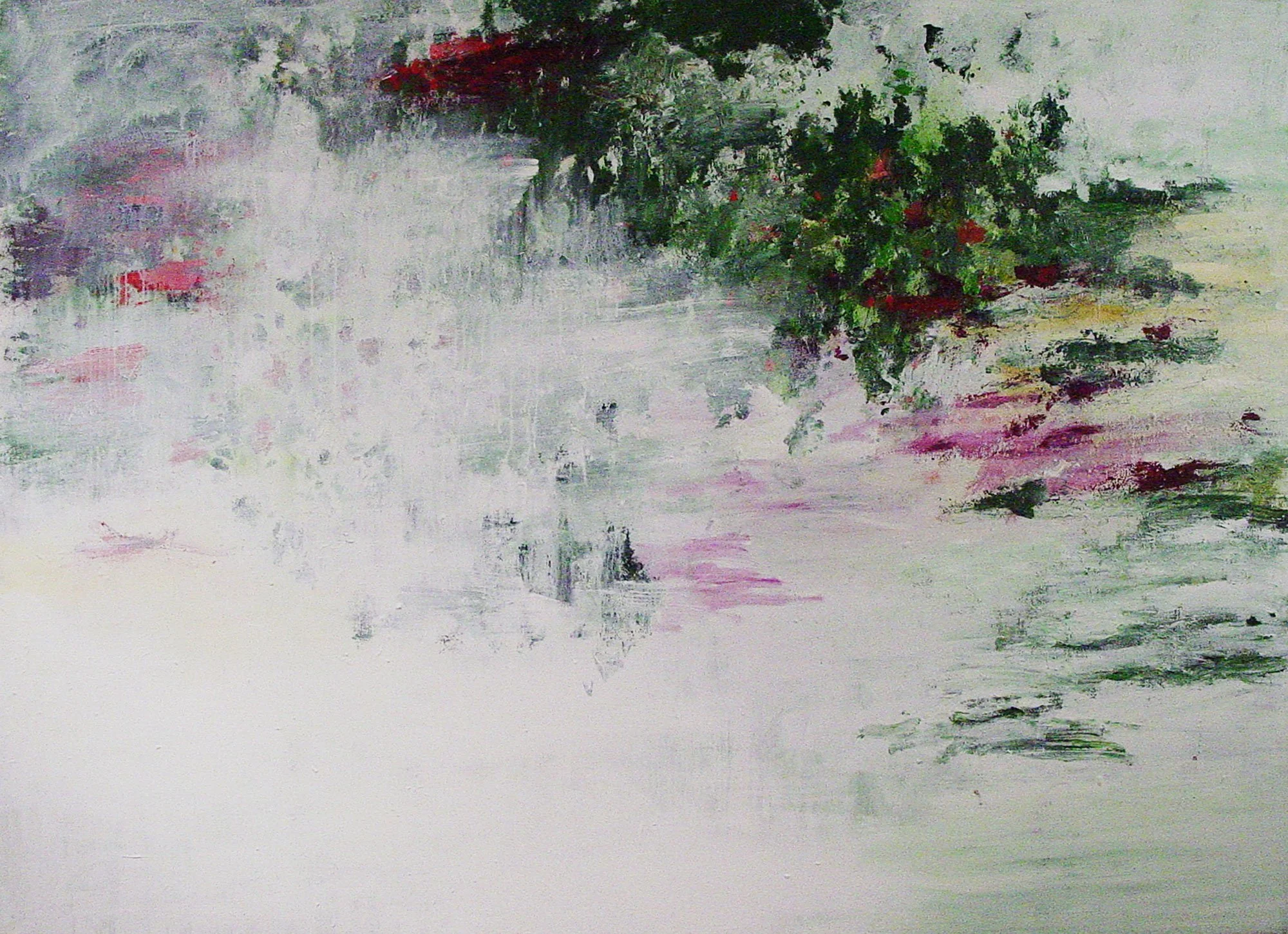
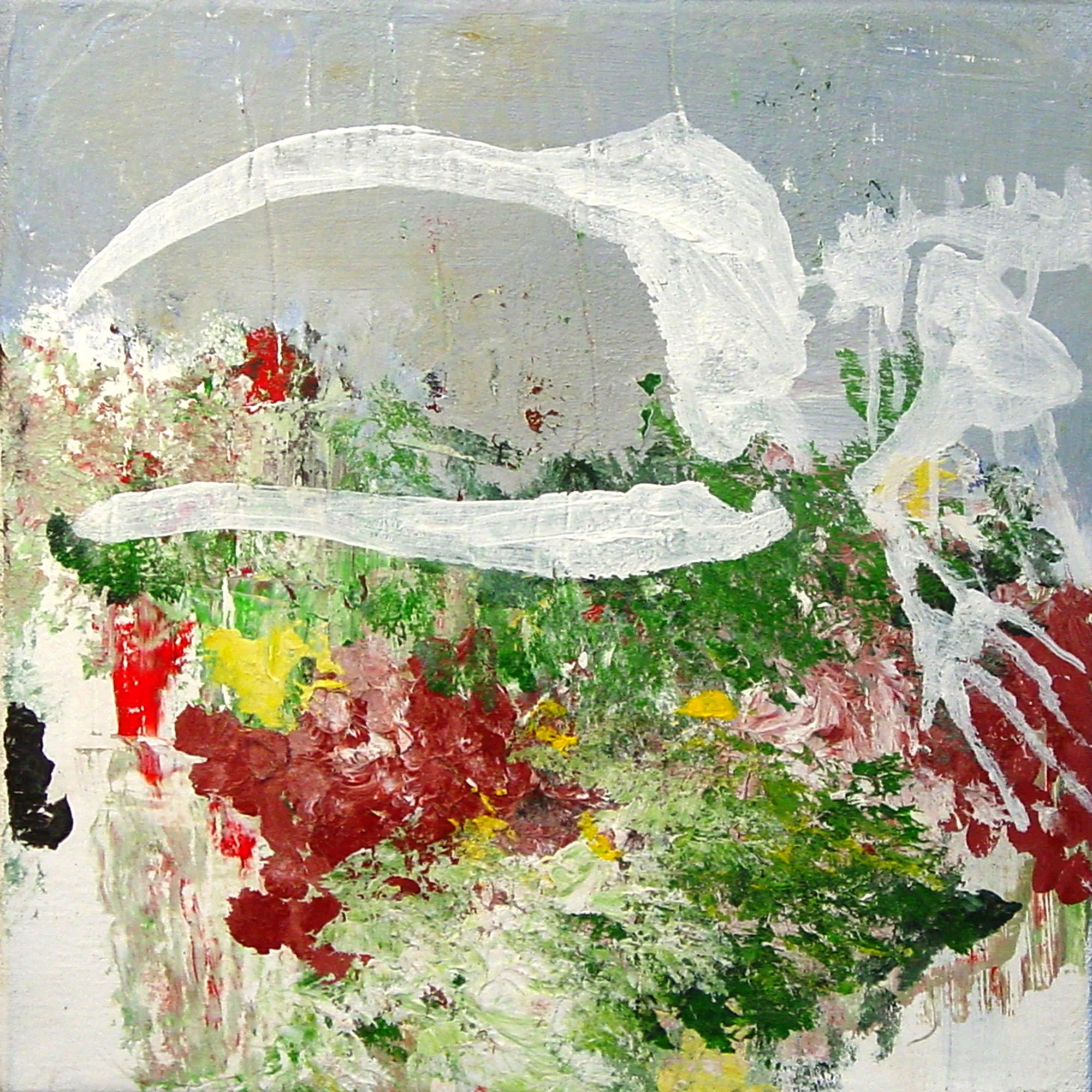
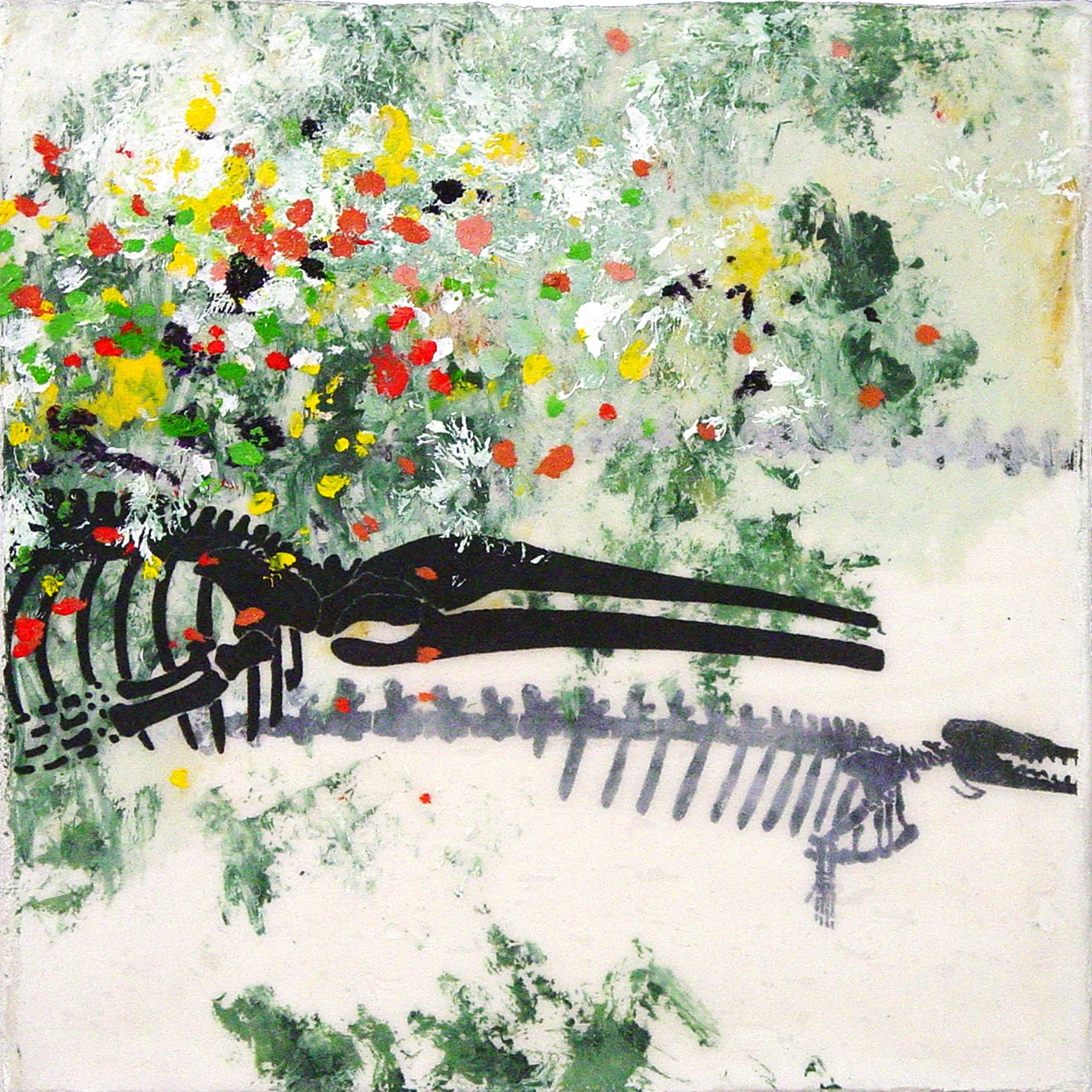
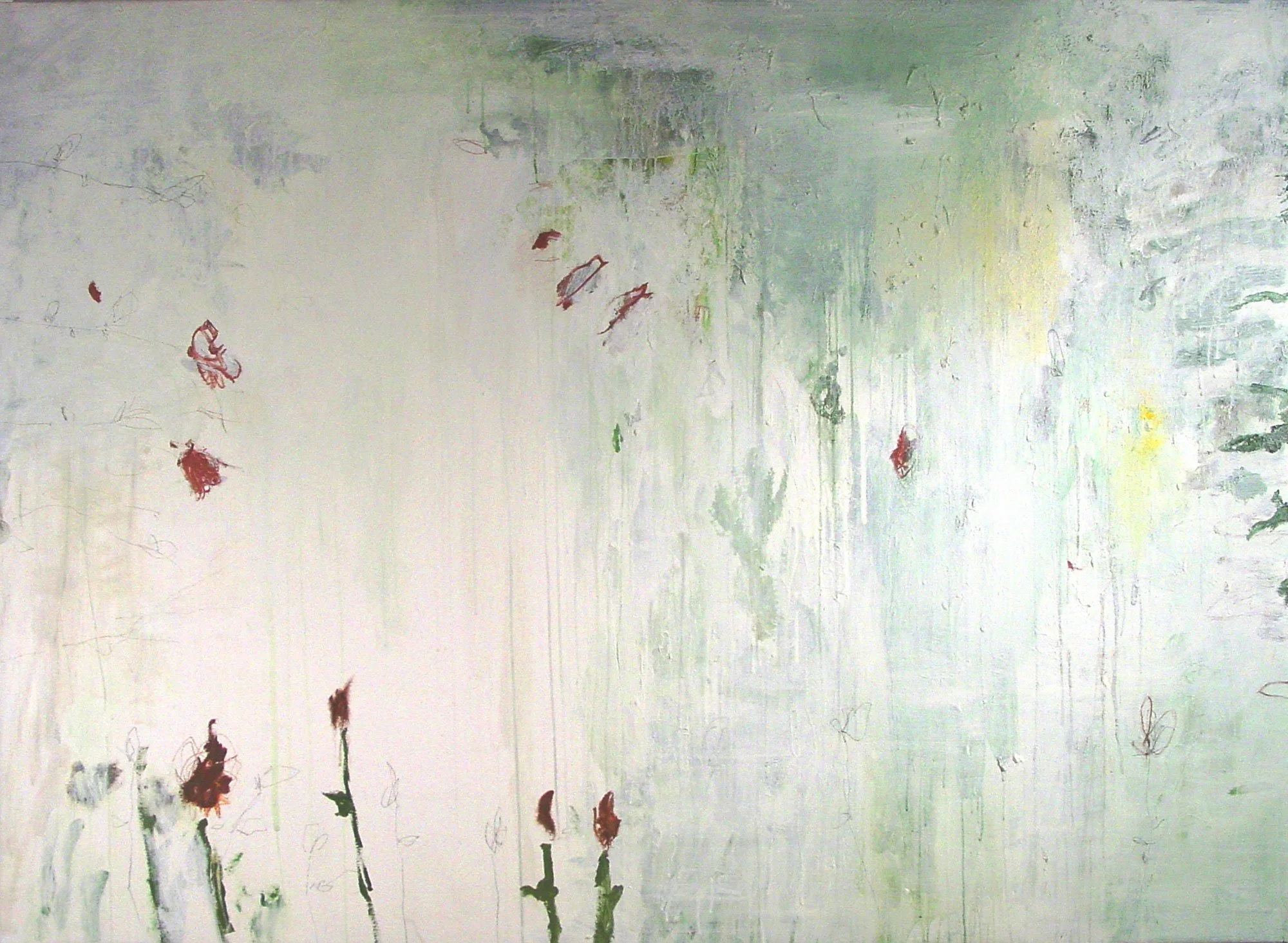
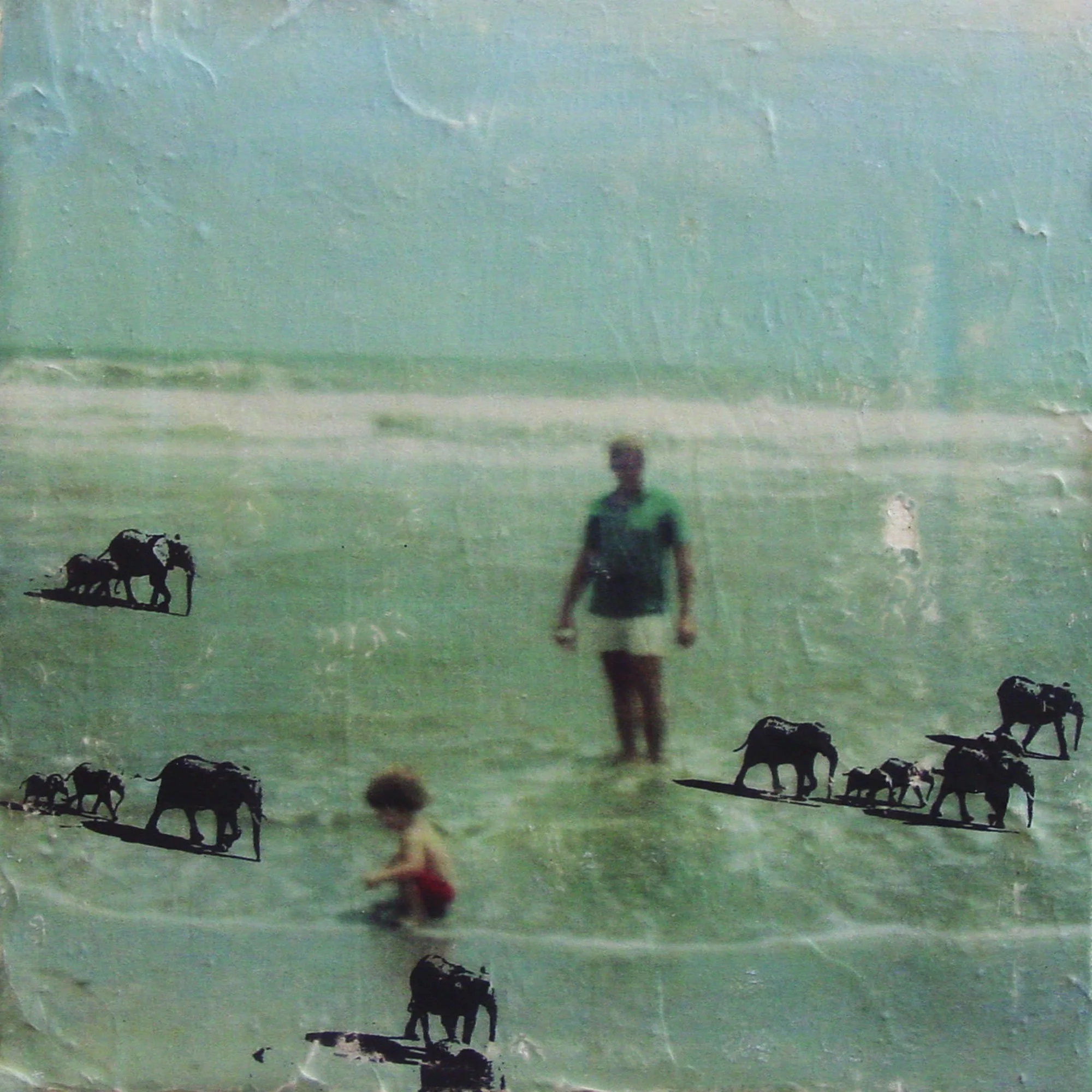
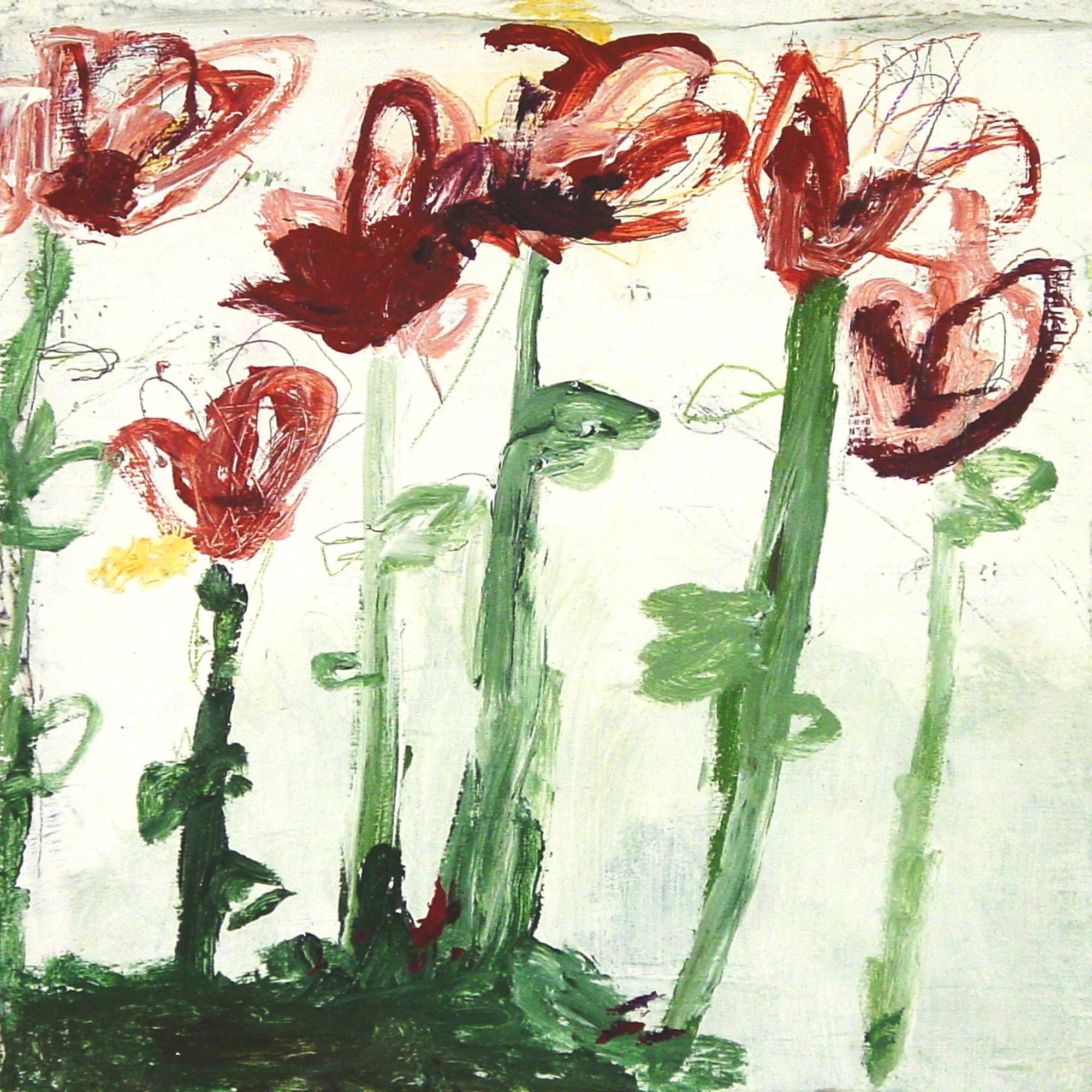
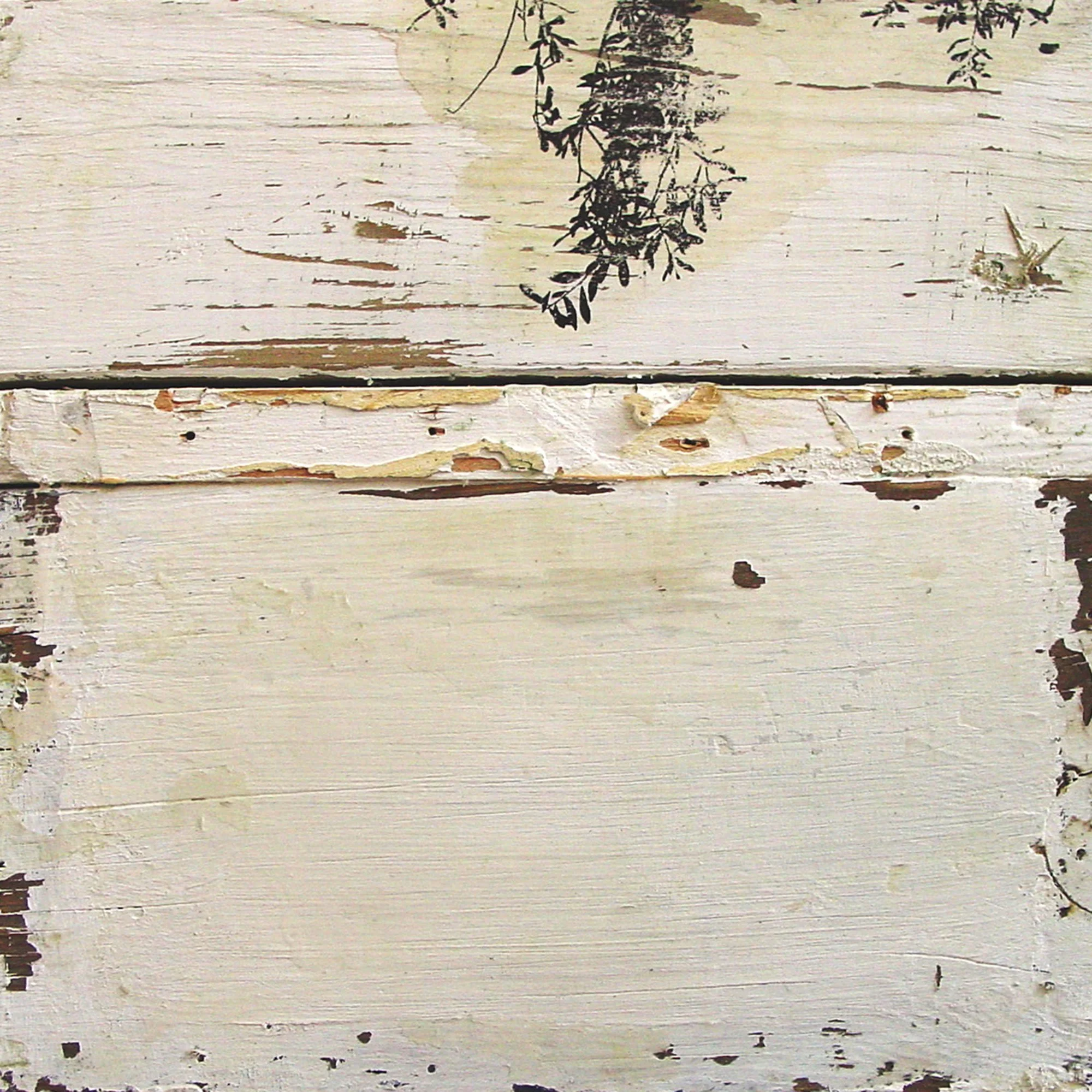
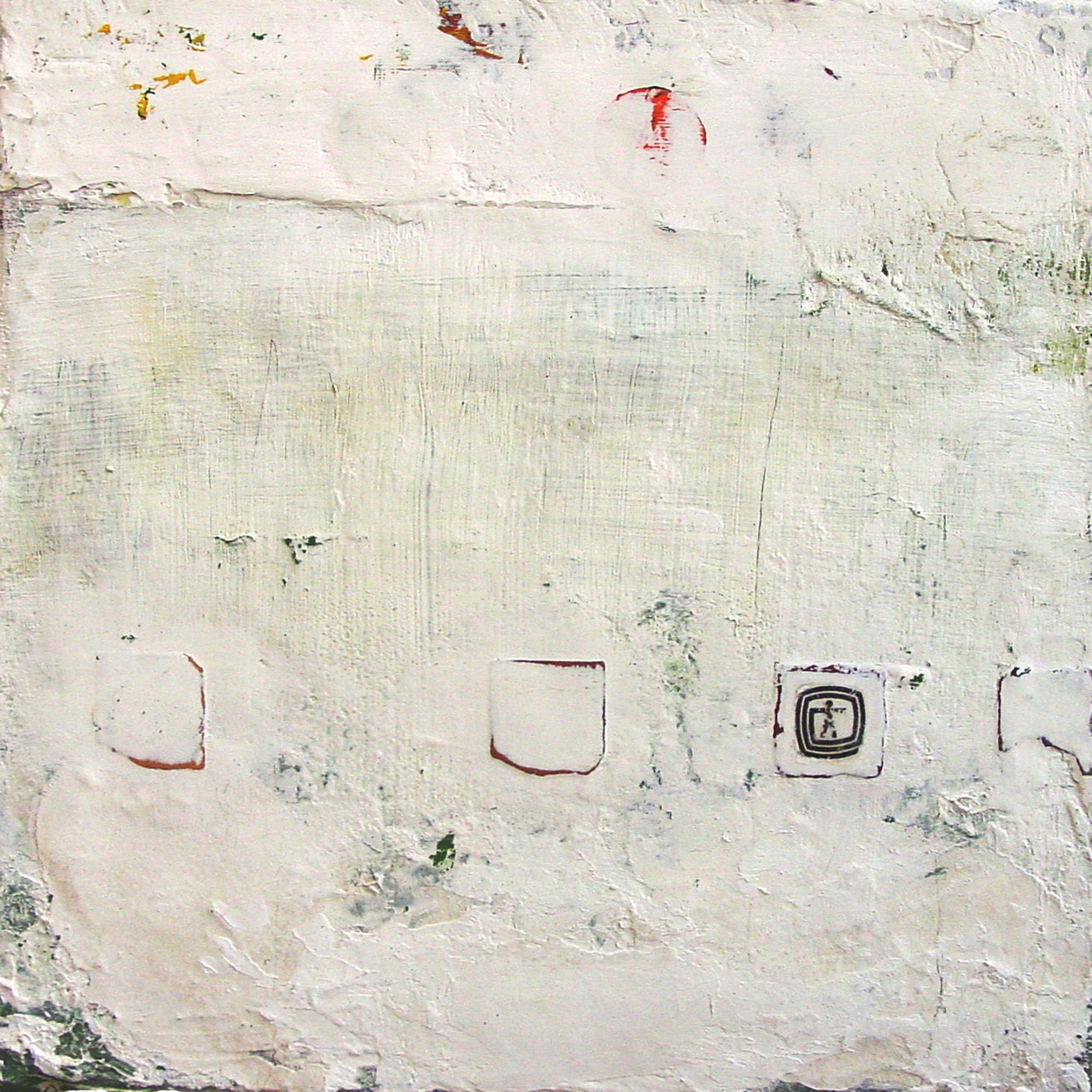
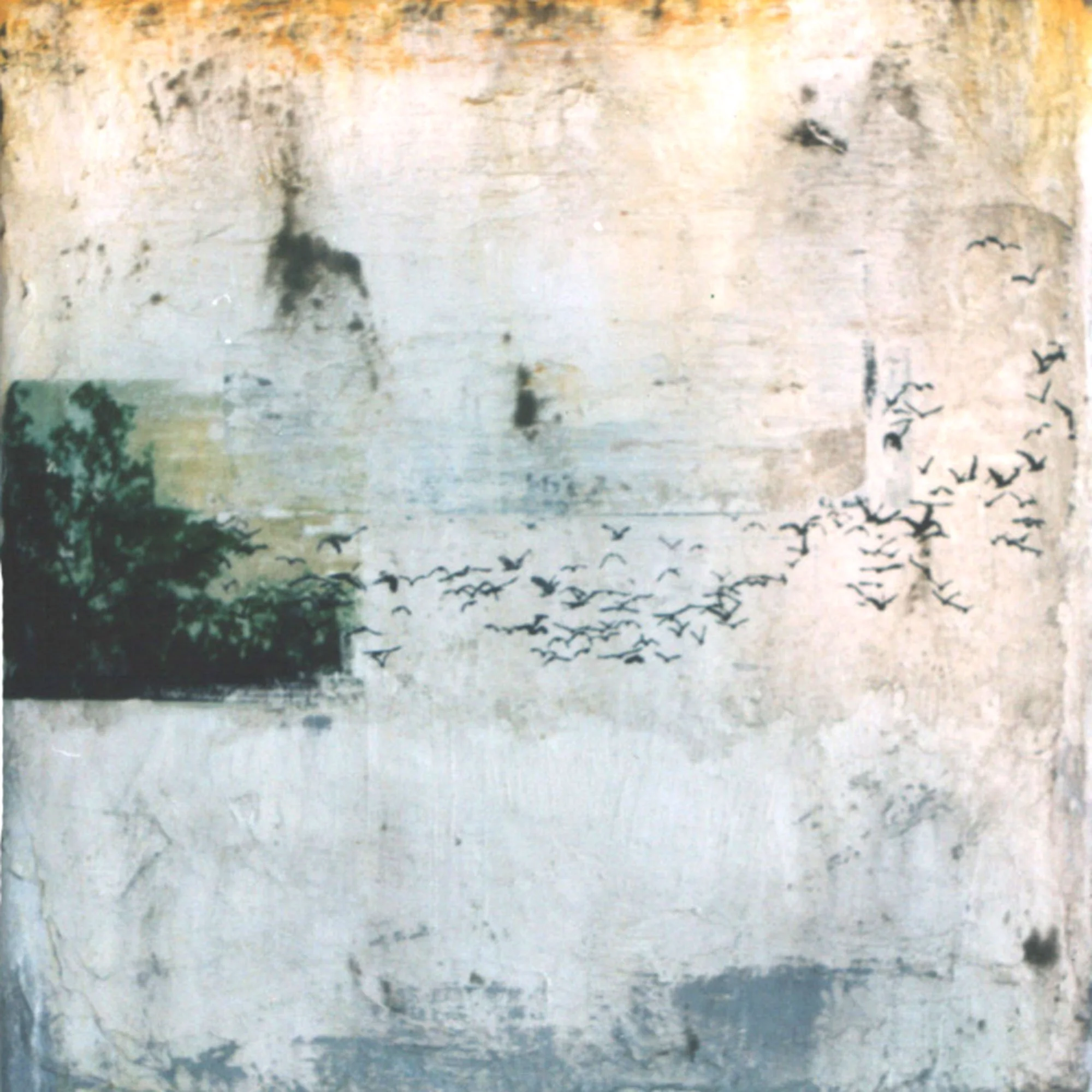
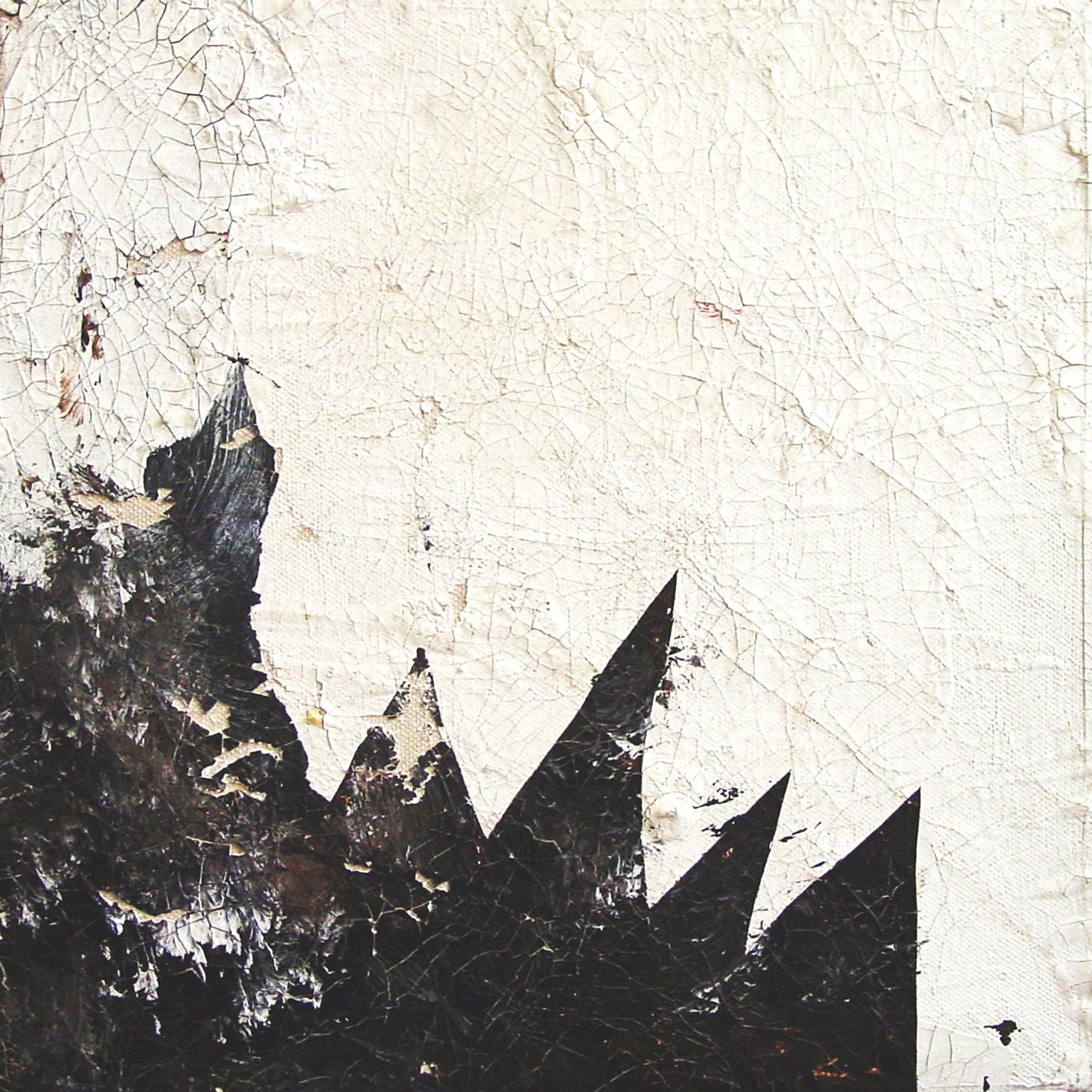
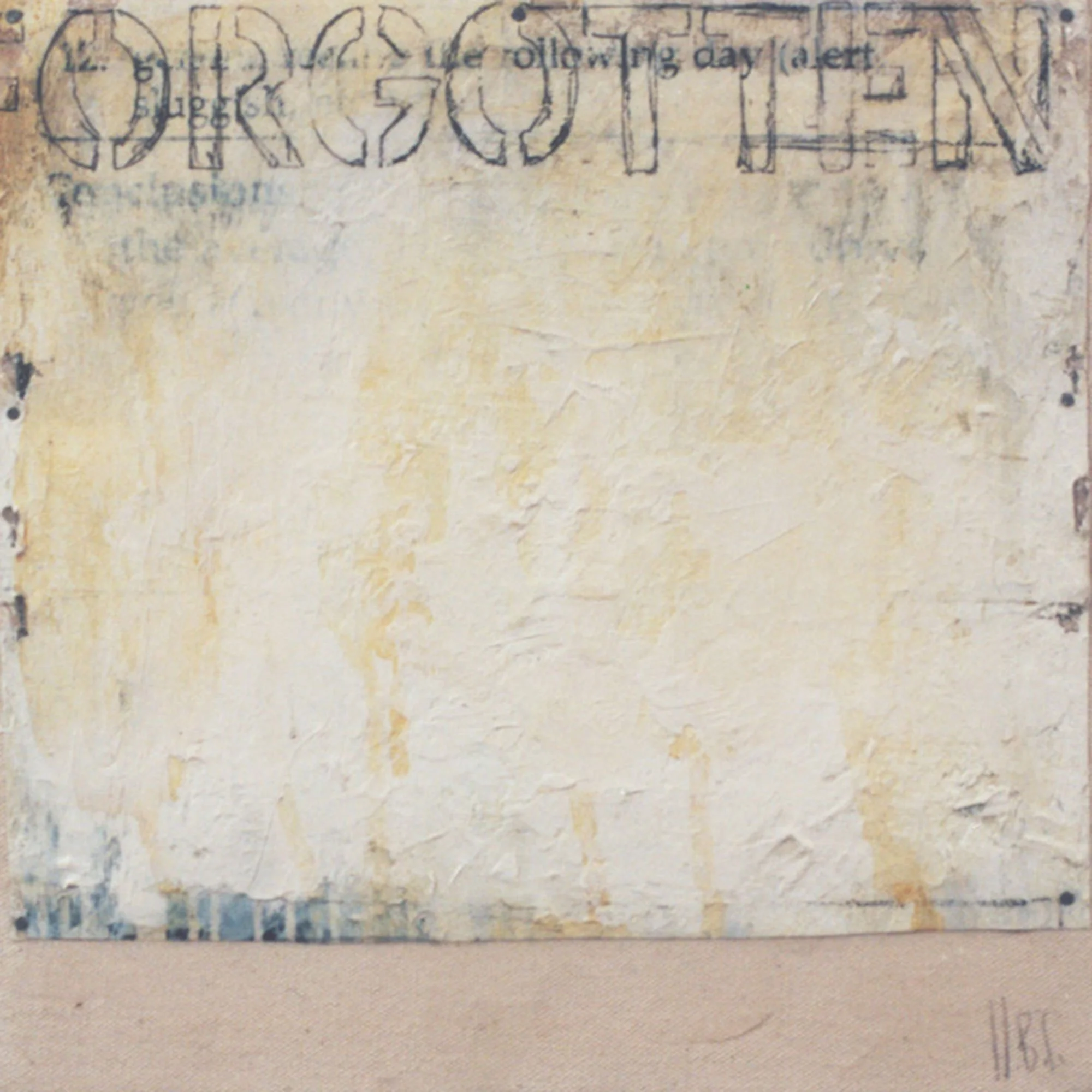
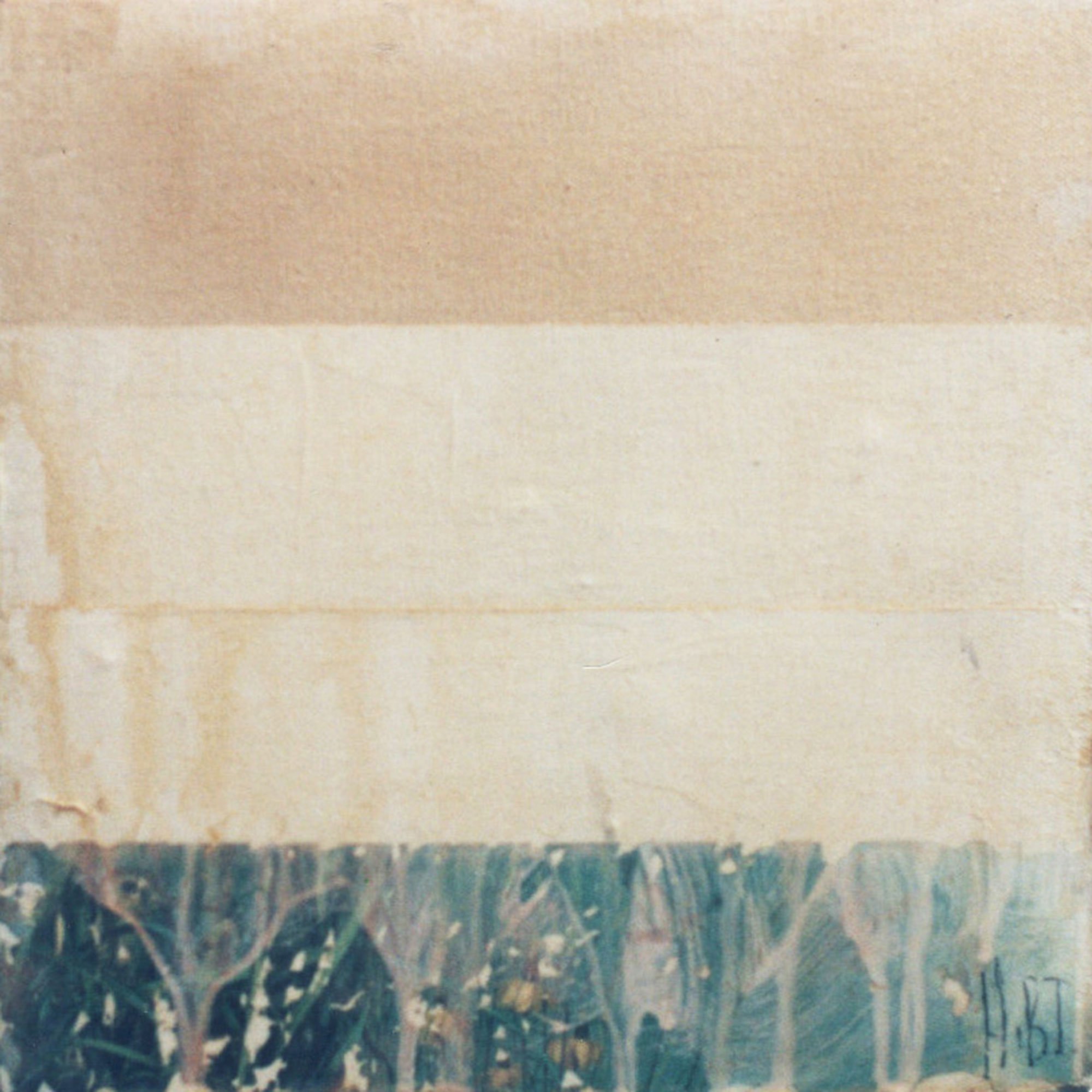
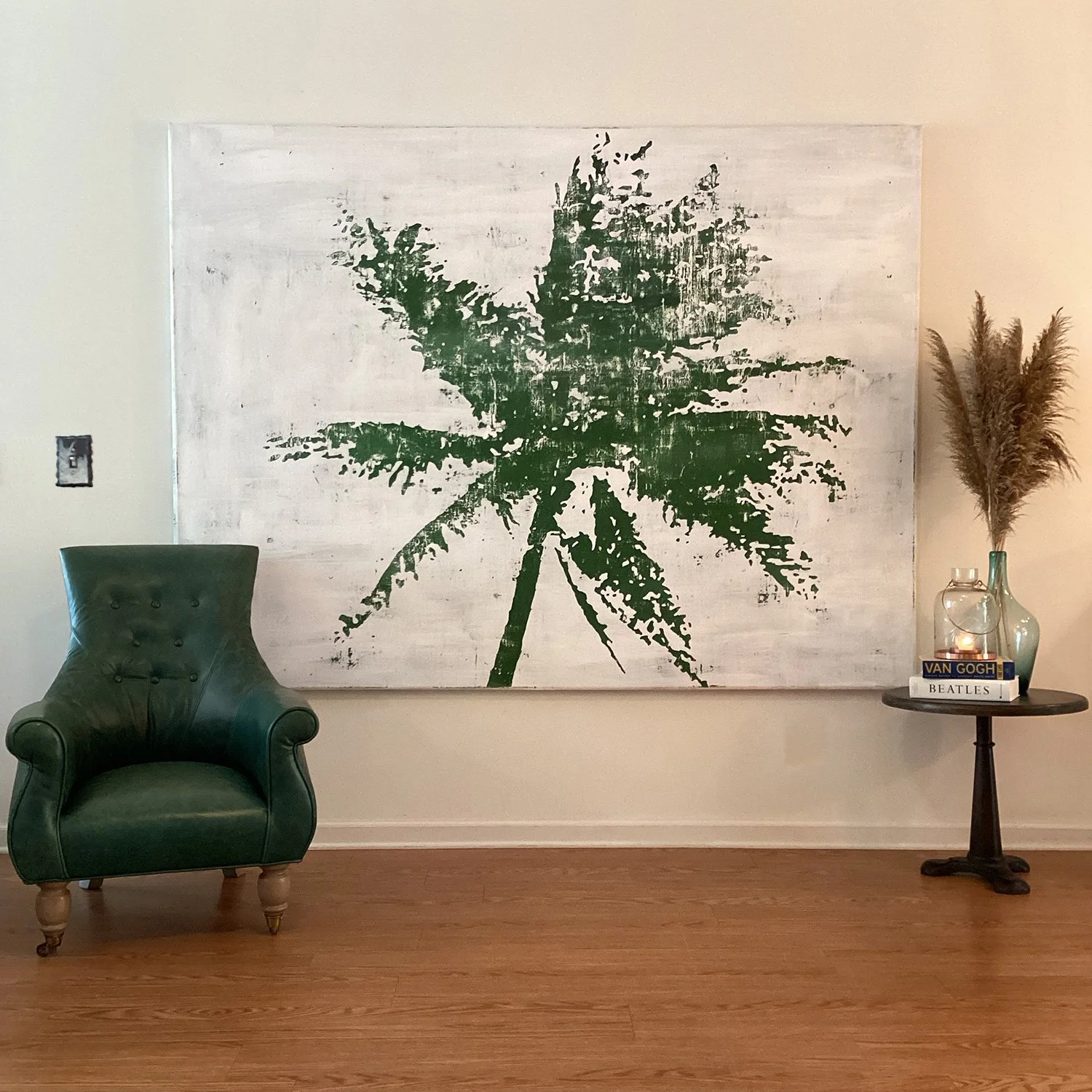
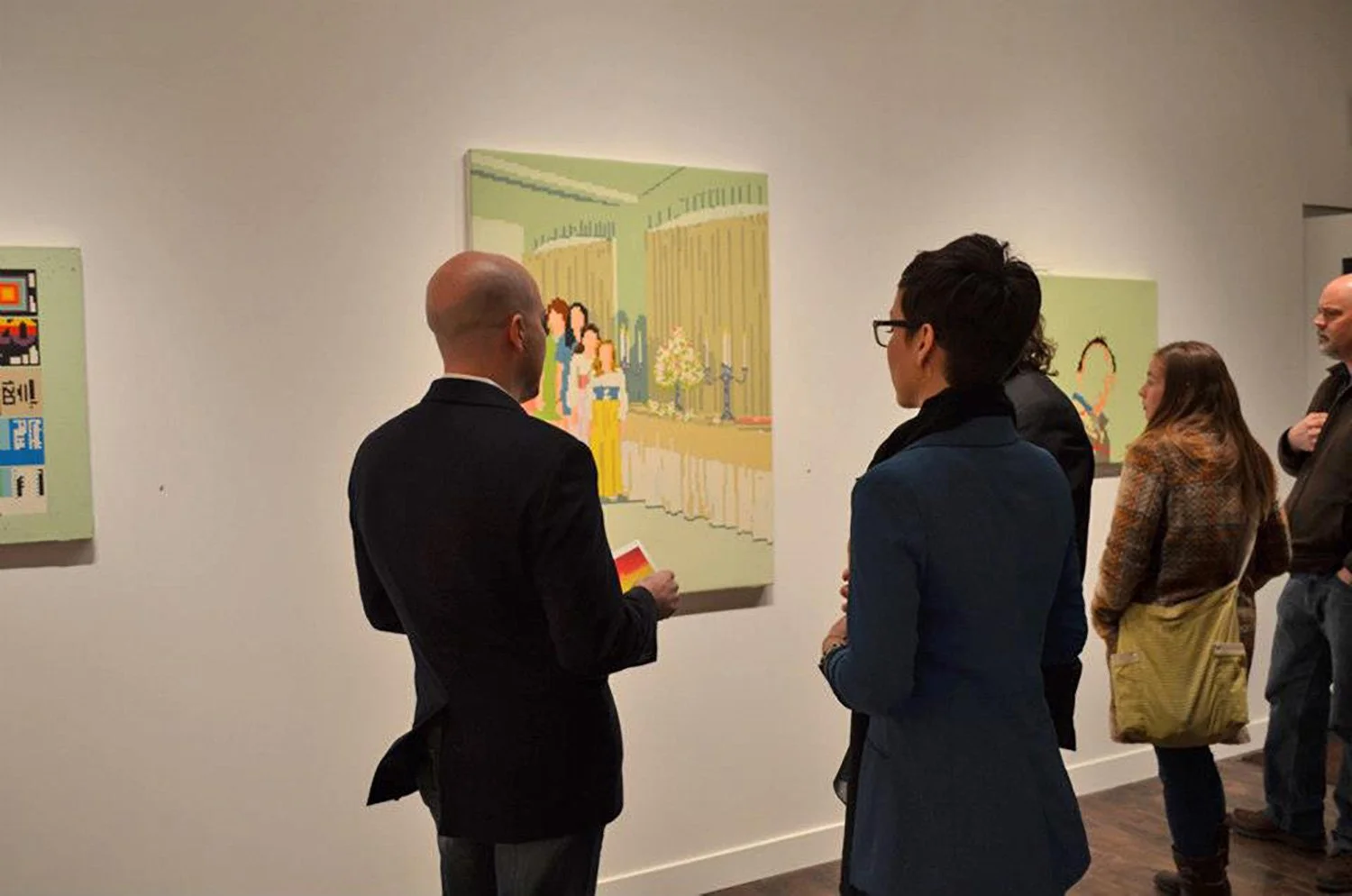
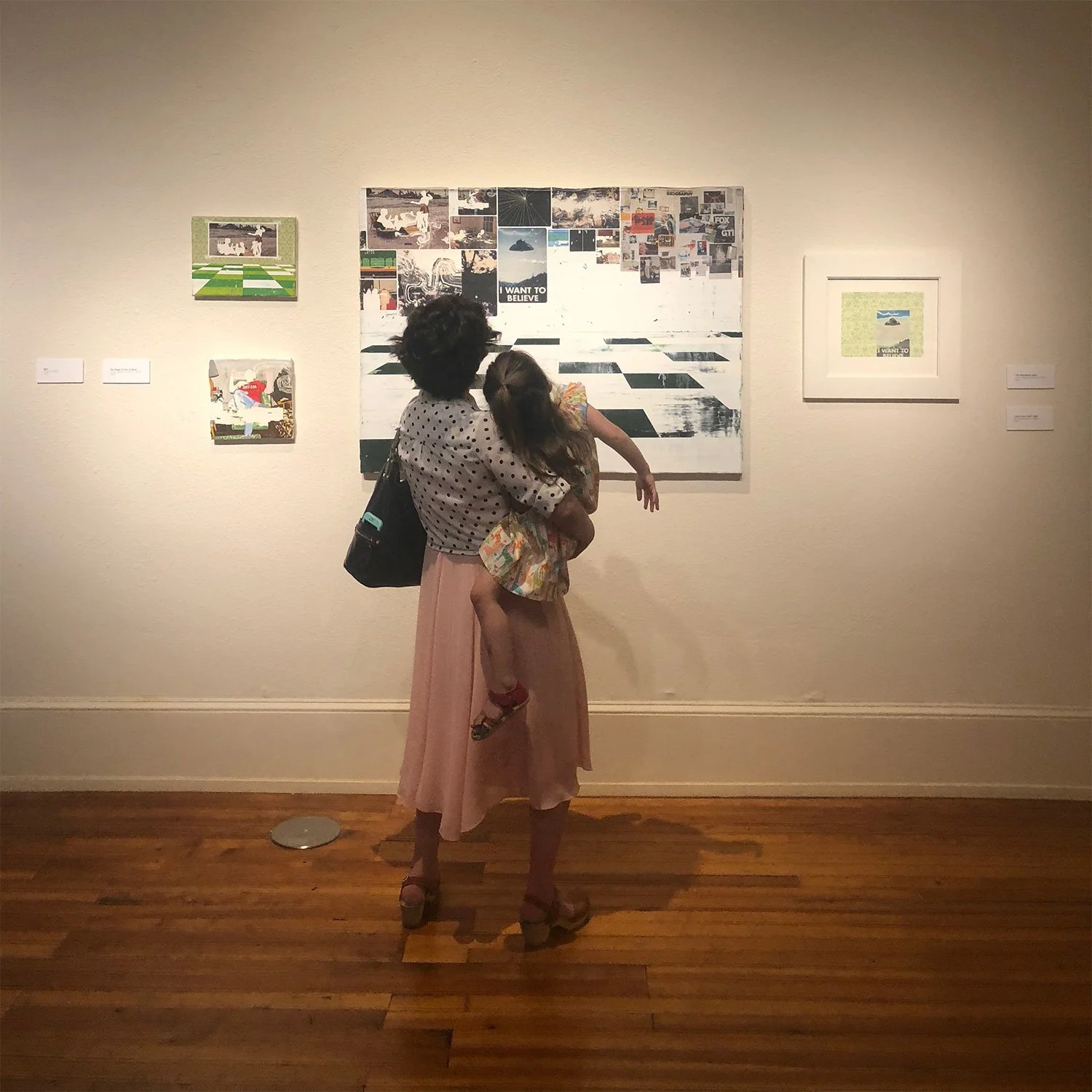
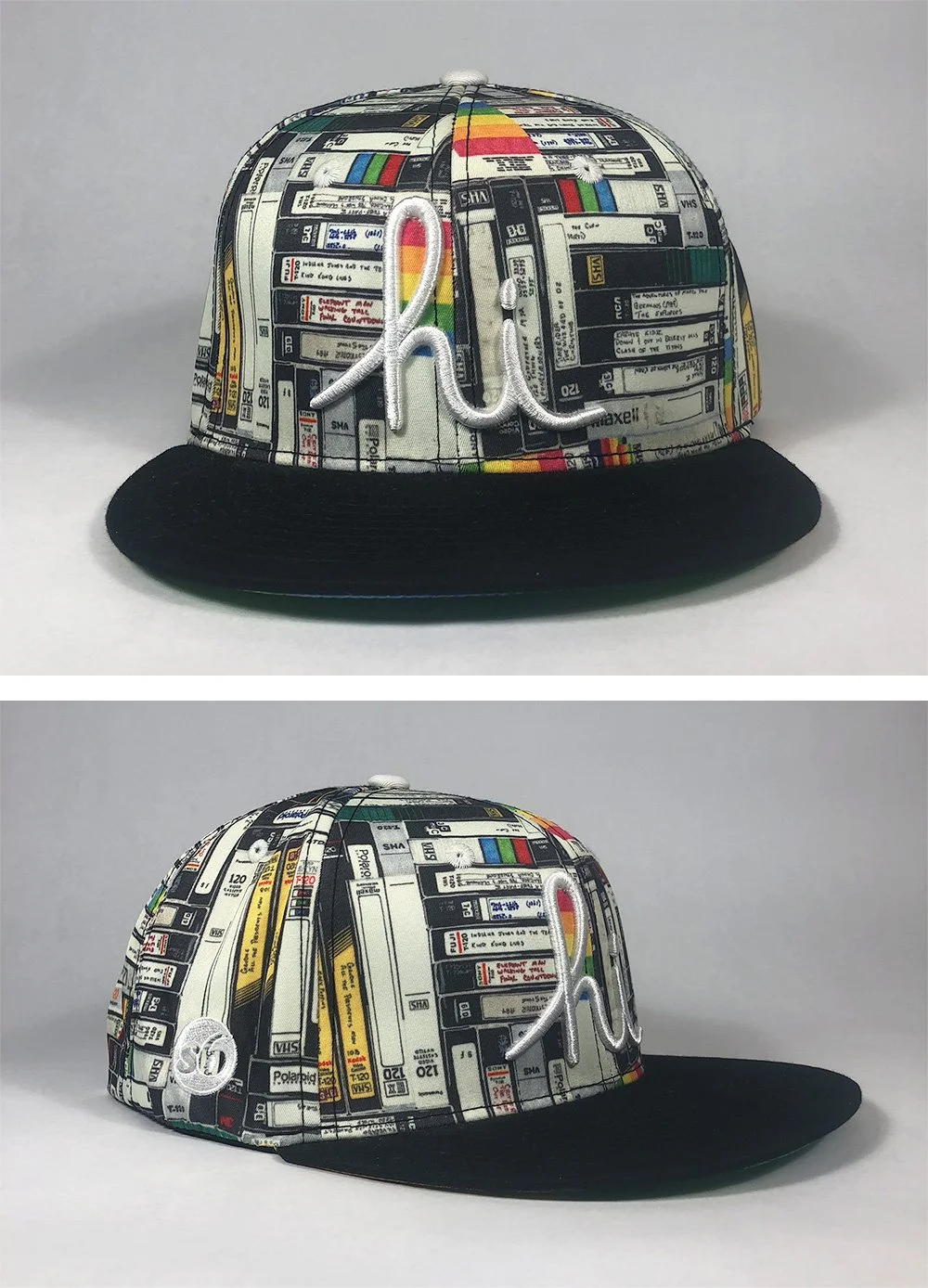
Using acrylic and oil paint, permanent marker, and a pigment transfer process developed over several years, Thornton creates images that blur the line between recollection and erosion. VHS tapes, cassettes, early personal computers, family photographs, and fragments of vintage popular culture appear throughout the work, often partially erased, simplified, or obscured through pixelation and layered surfaces.

His work focuses on the imperfect way memory is stored and reconstructed, combining analog textures and fragmented imagery to create spaces that feel familiar yet uncertain. Thornton’s work has appeared in exhibitions, publications, and collections connected to clients including The New Yorker, Netflix, and Vice Magazine. Working across painting, drawing, and printmaking for more than two decades, he continues to develop a body of work centered on memory, absence, and transition.

INTENT

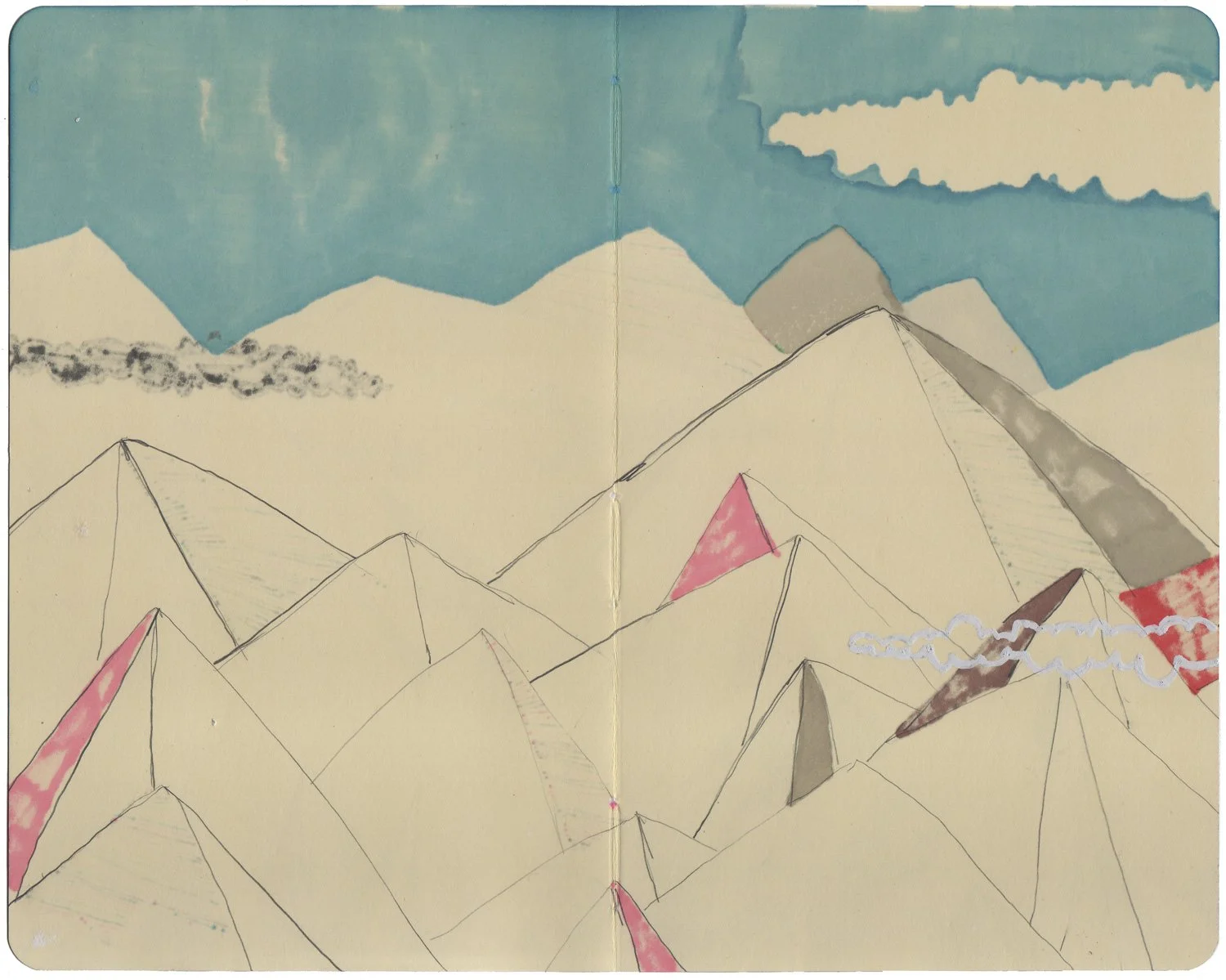
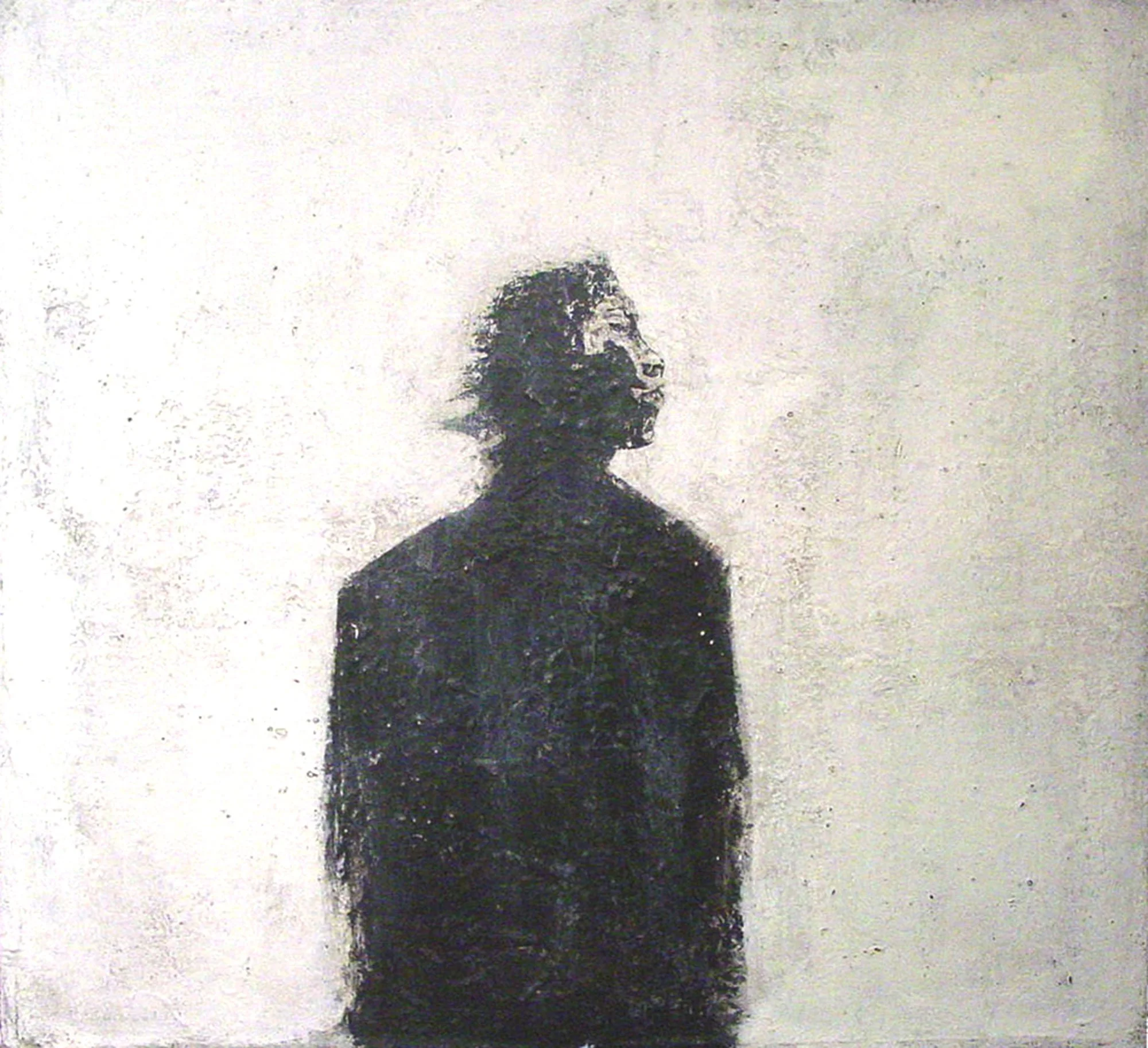
I paint and draw the way memory stores and replicates things—inaccurate and fragmented. Erasure, simplification, and distortion reflect the imperfect nature of memory, as well as the constant state of flux within the physical and digital world.

I’m interested in the transitional space between the past and the unknown, and in the feeling of existing in a perpetual state of potential. That potential—whether shaped by anticipation, fear, or some mixture of both—is central to the work.

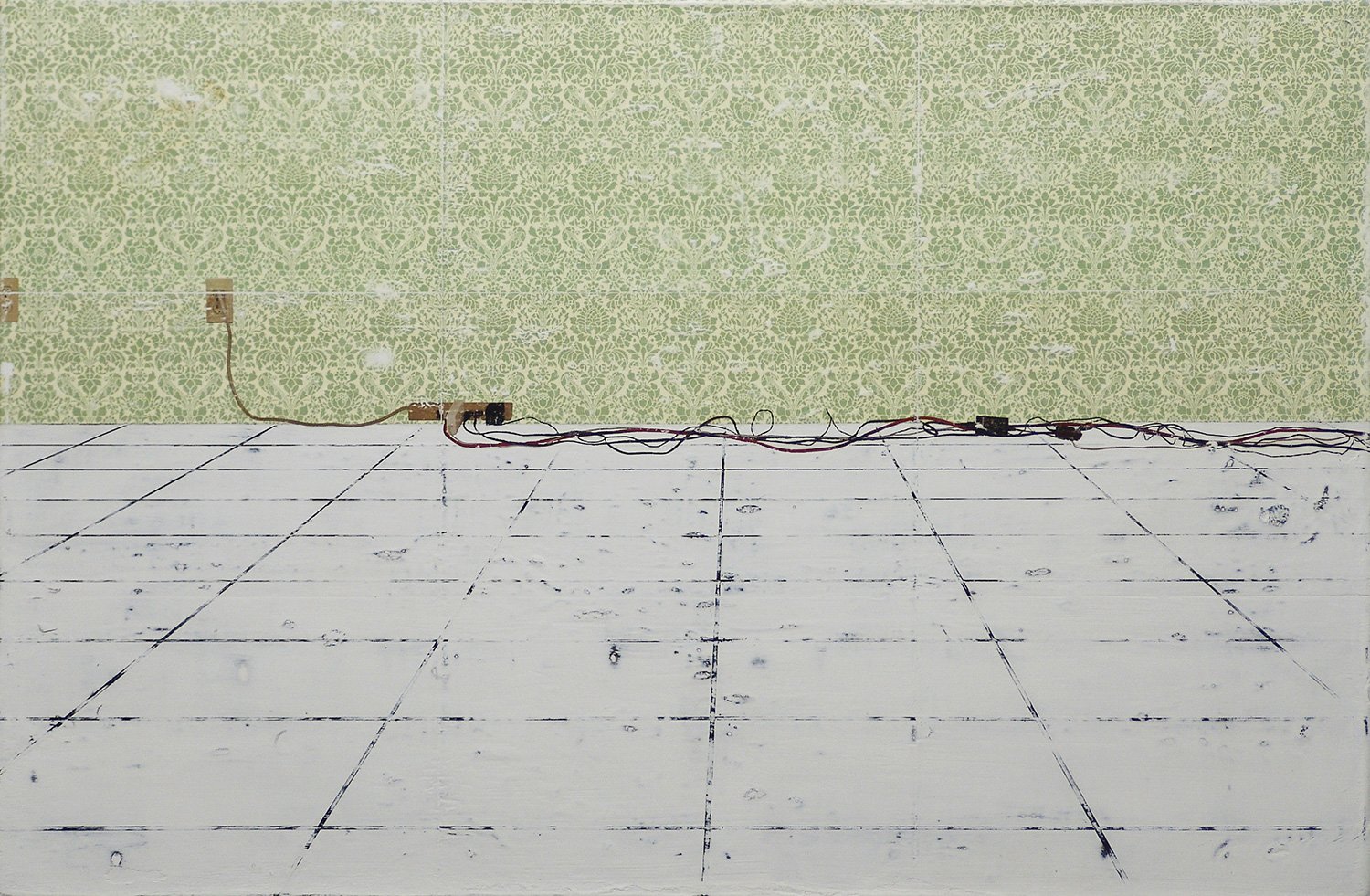
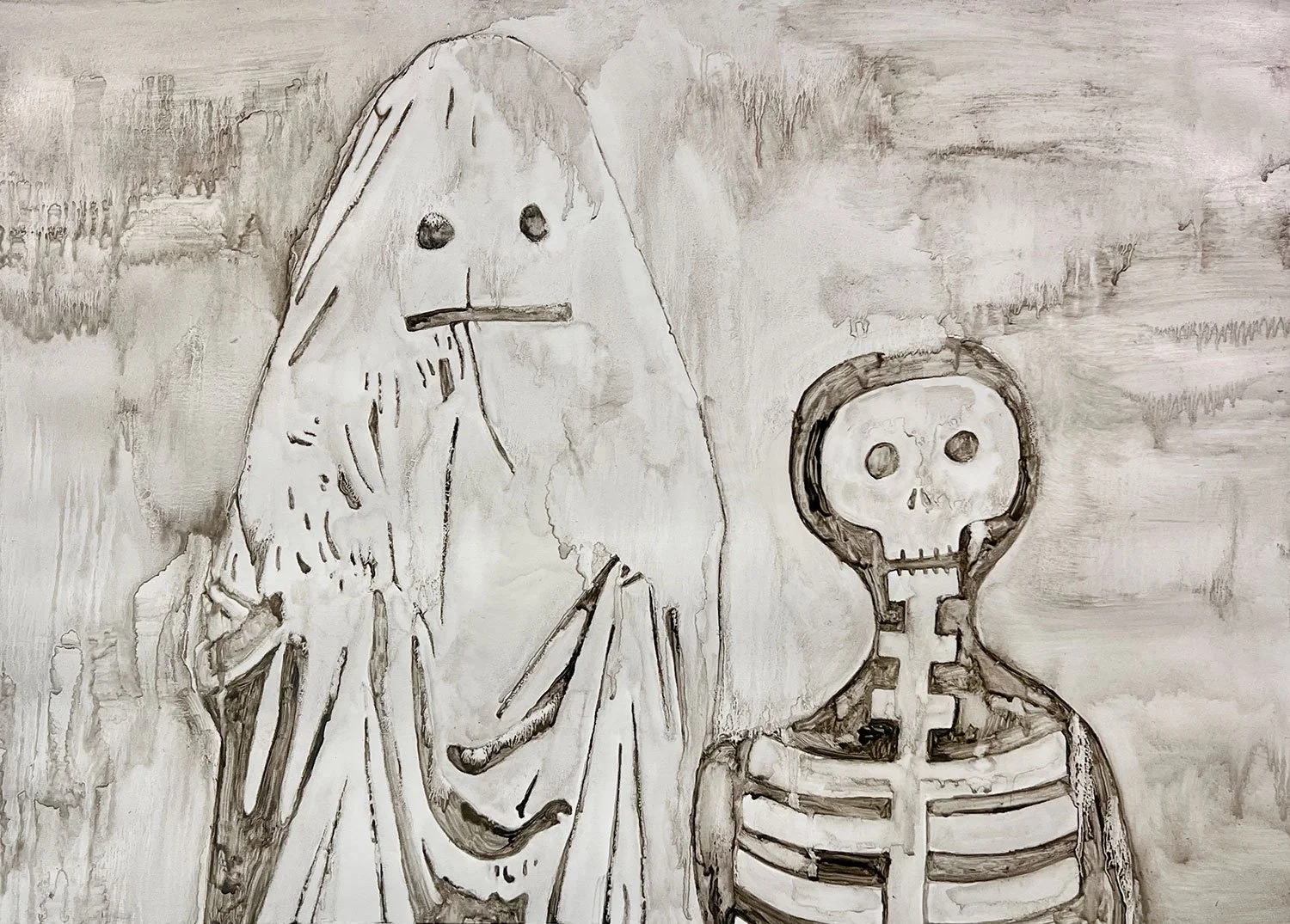
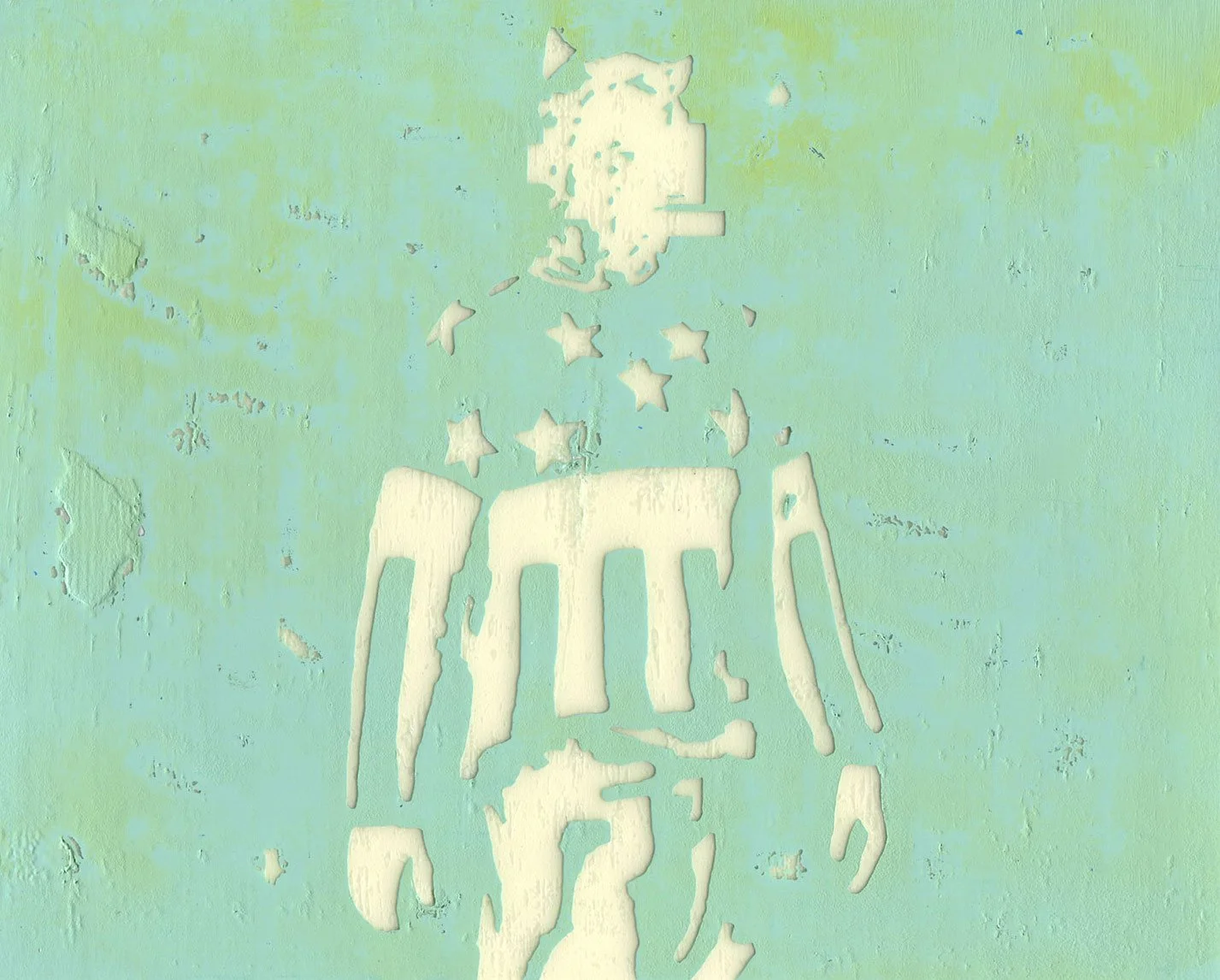
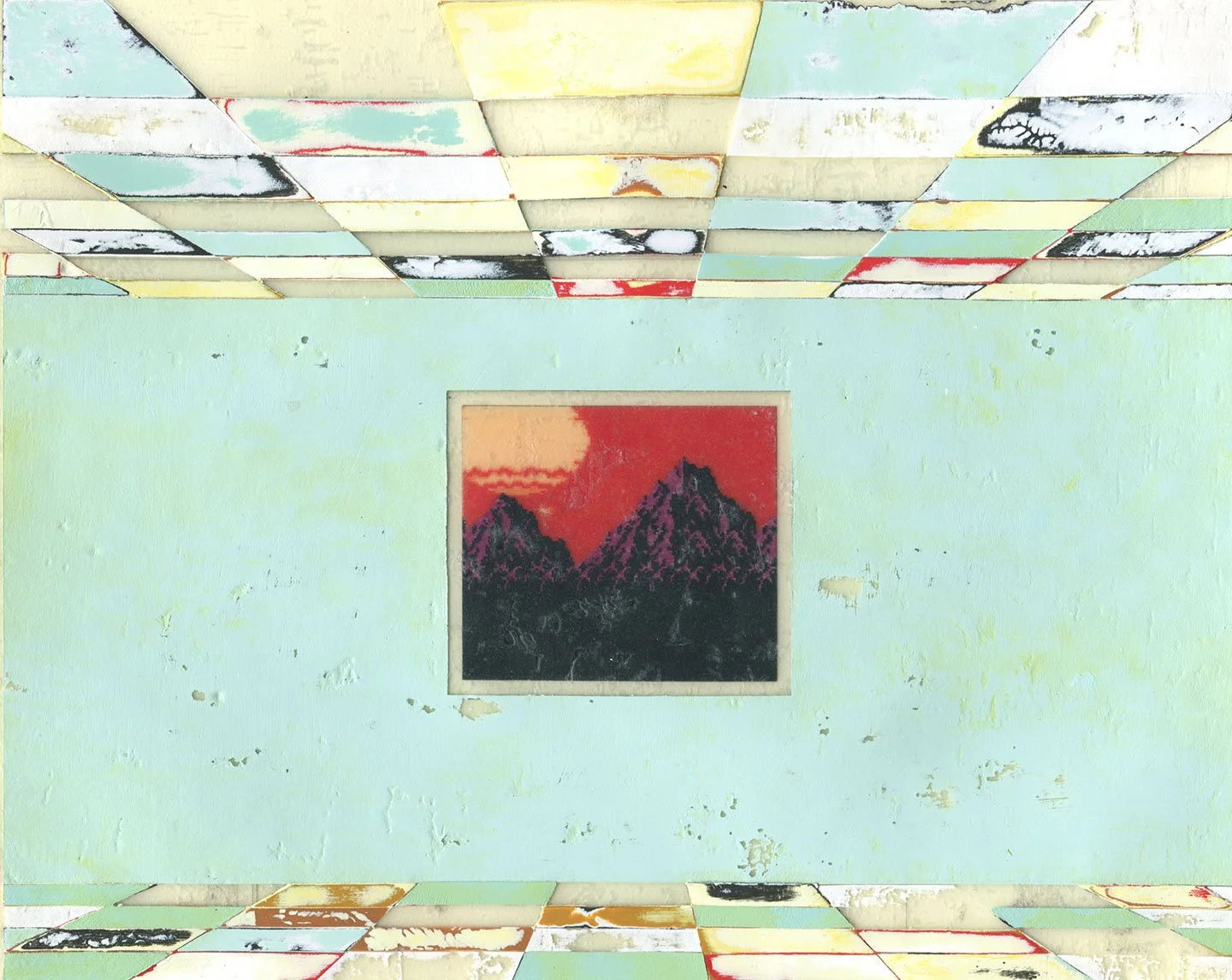
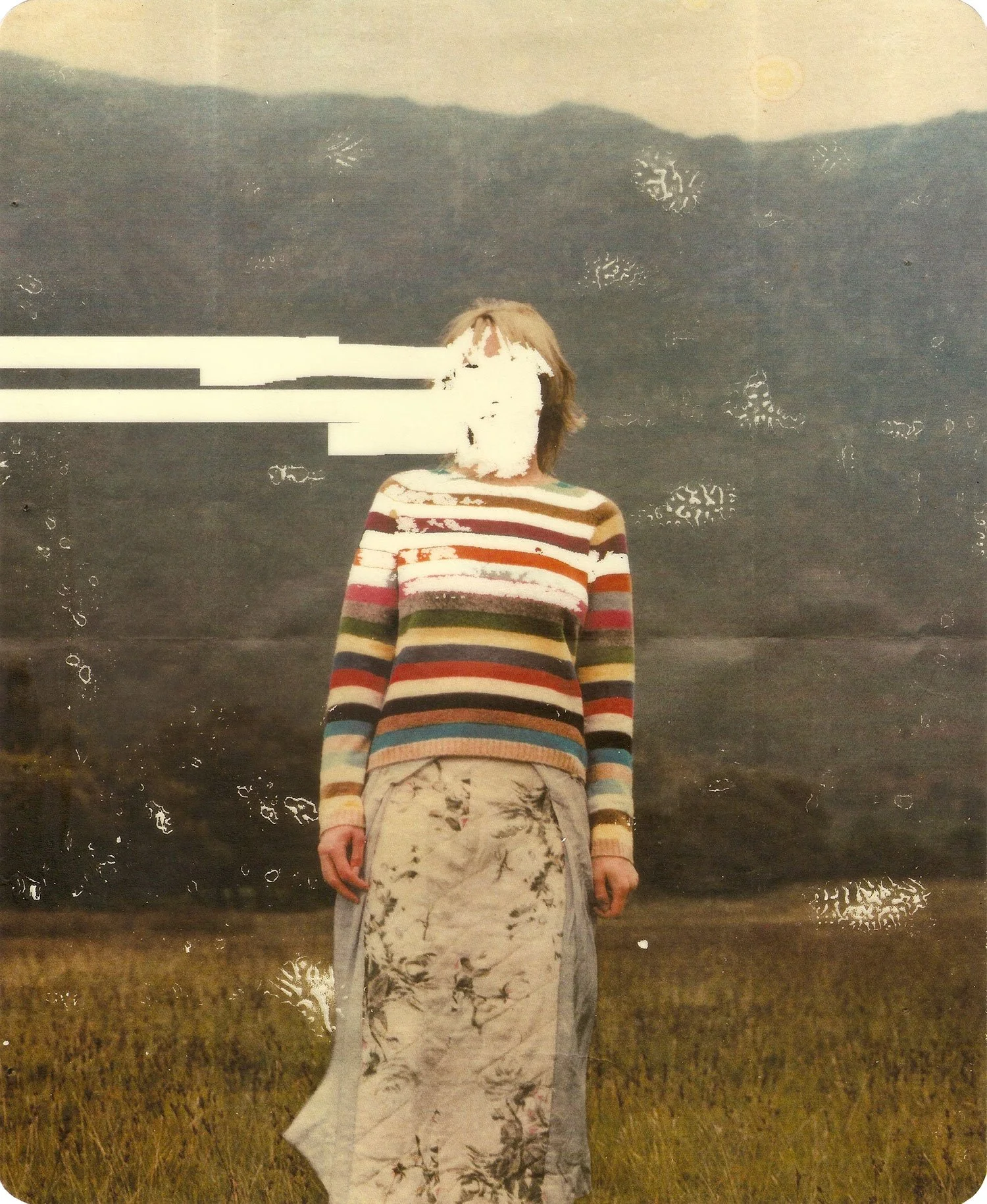
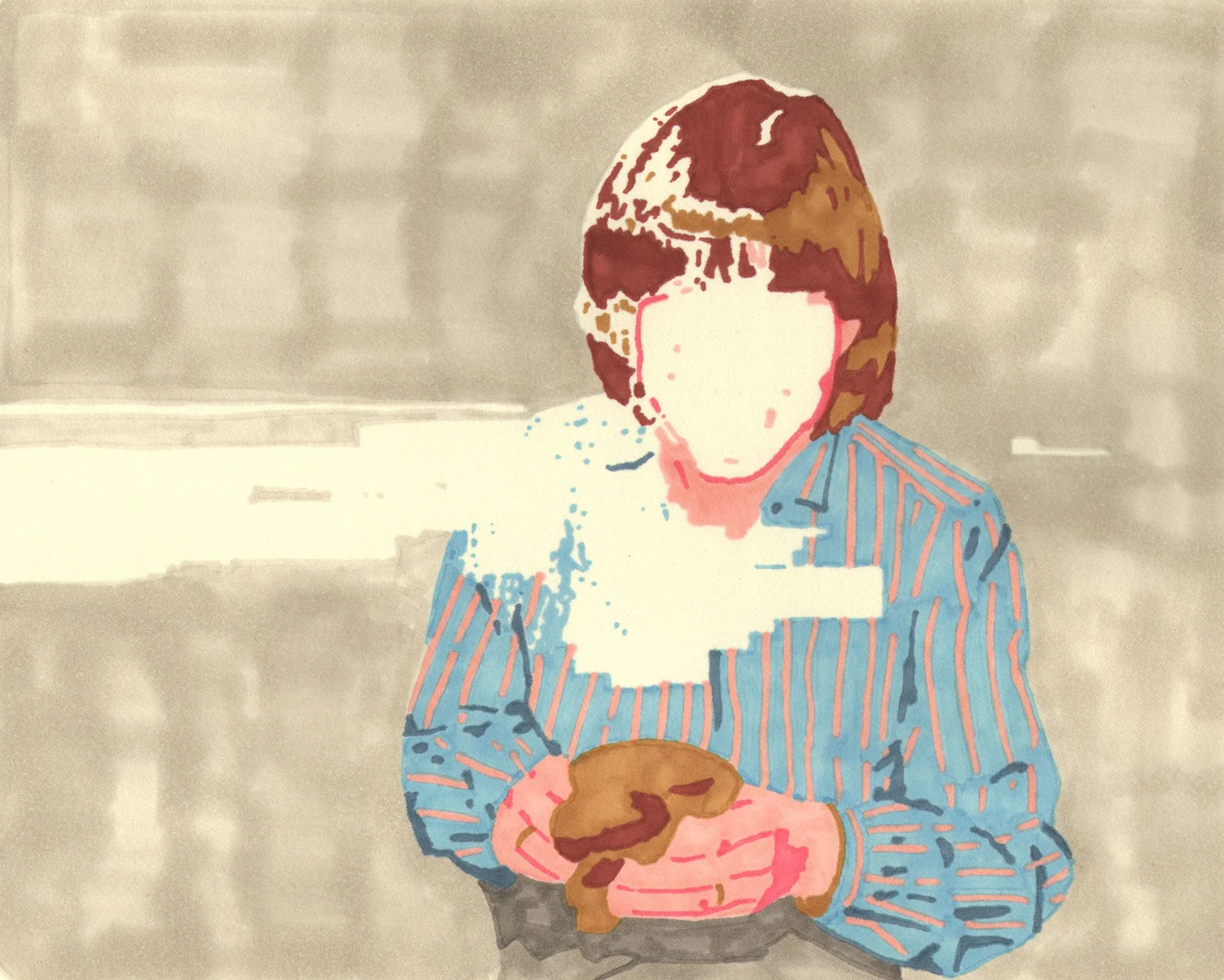
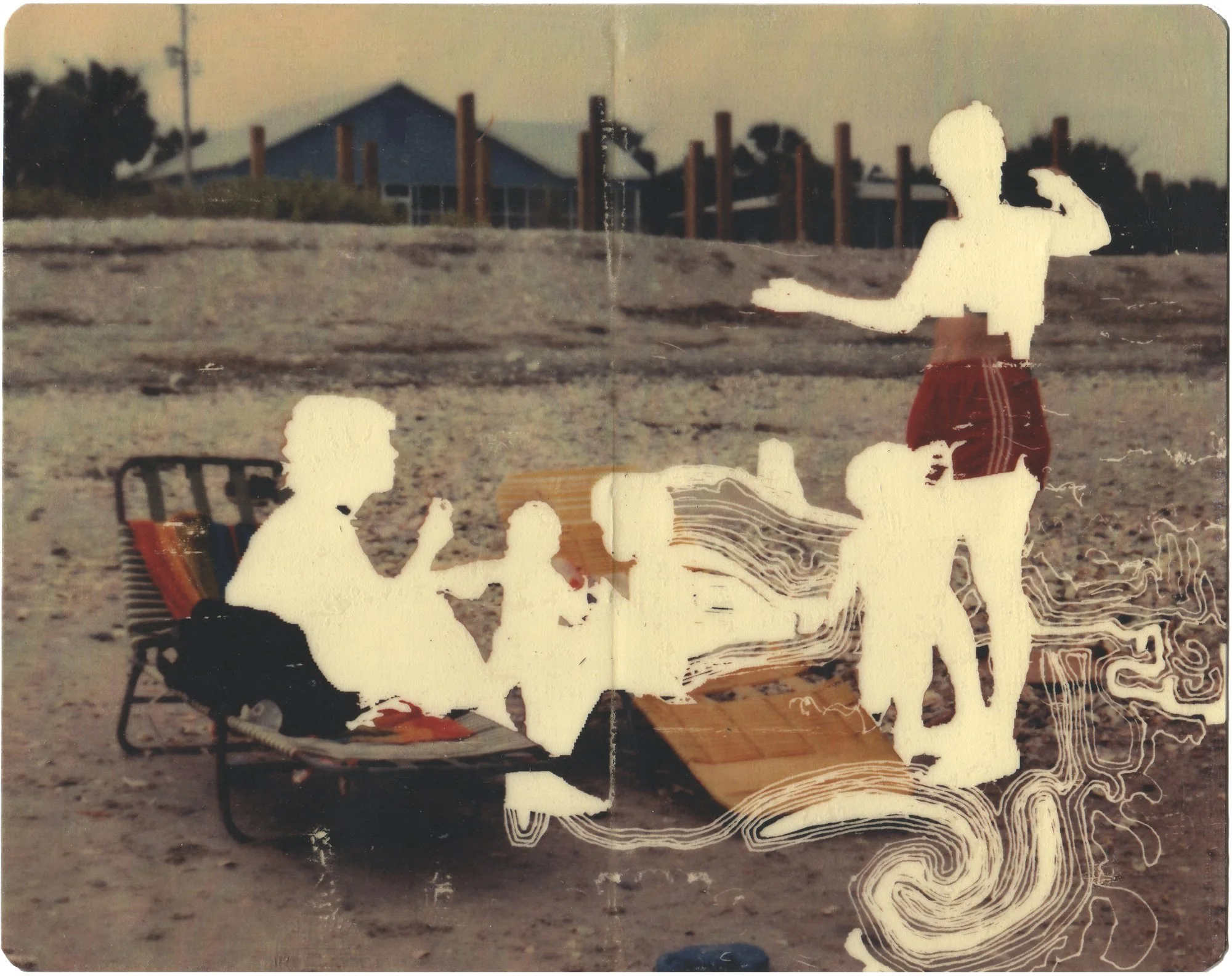
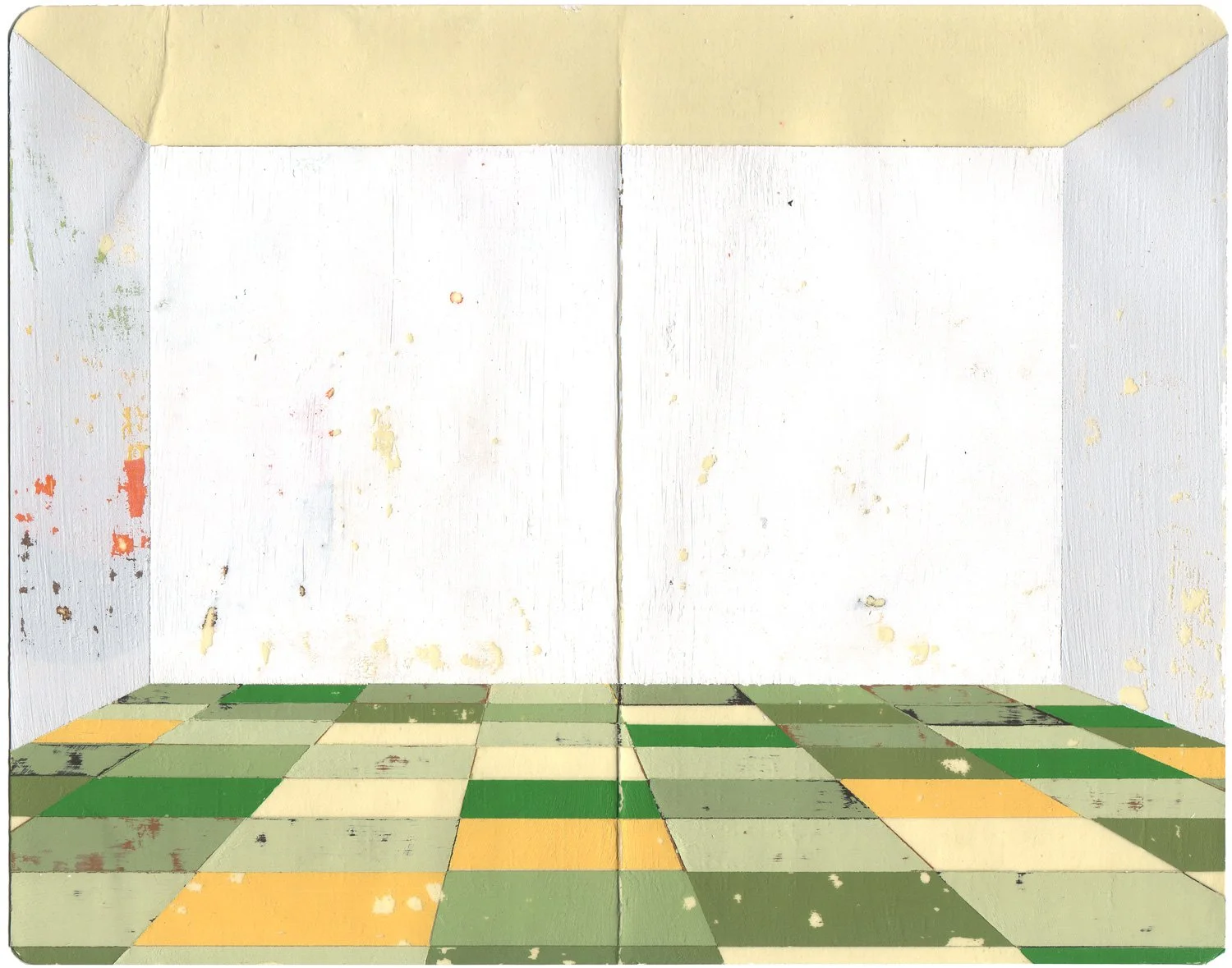
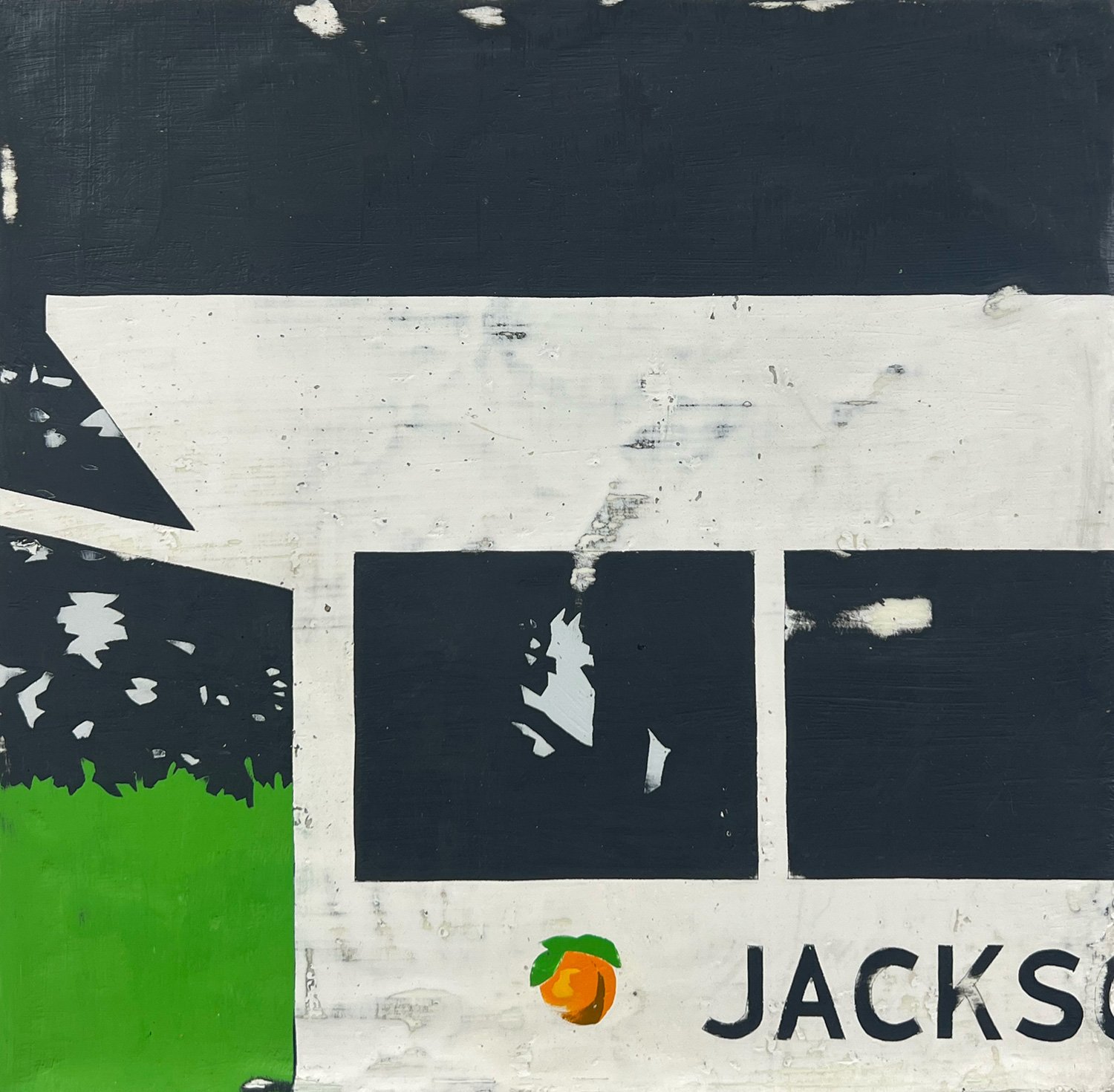
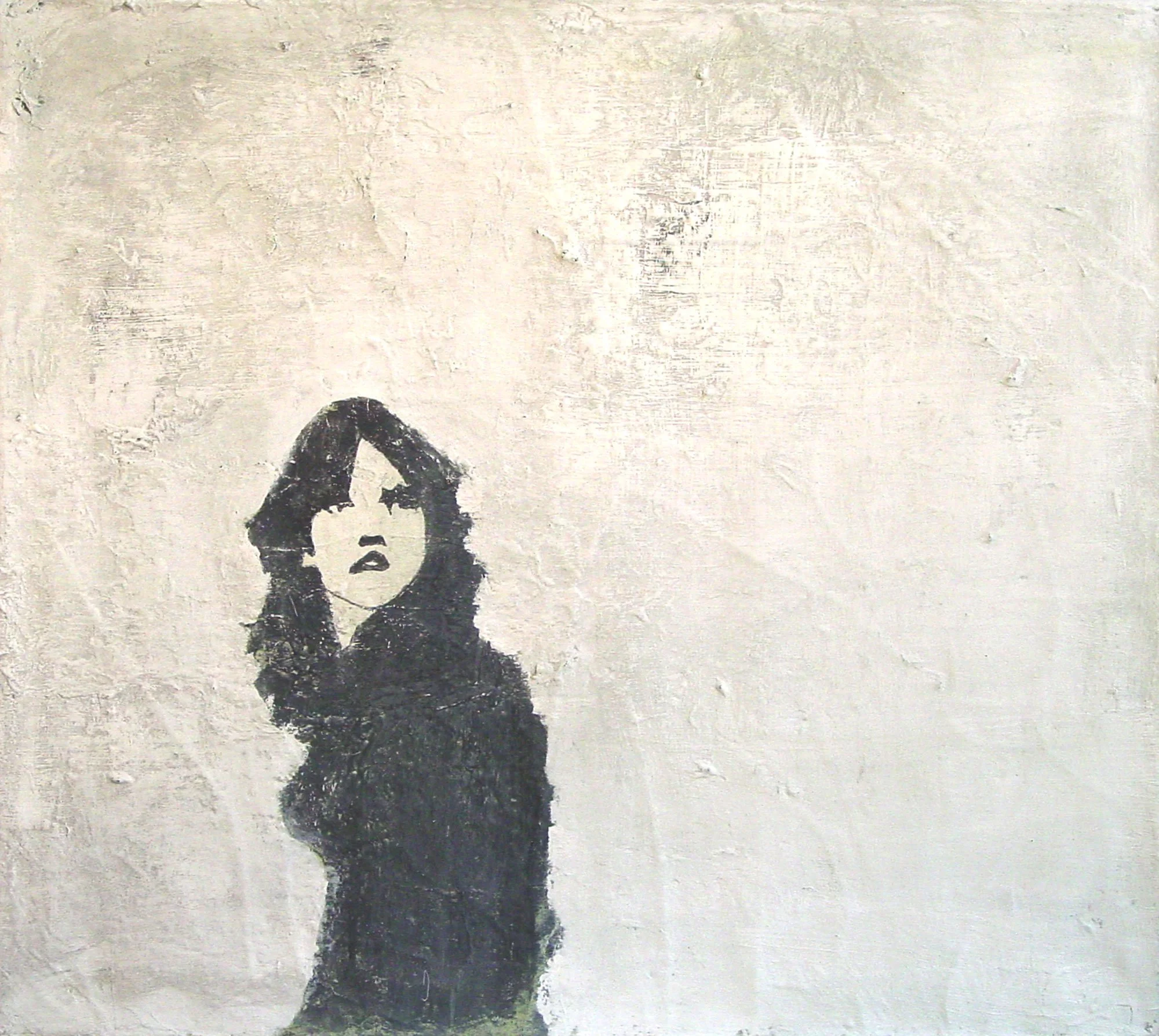
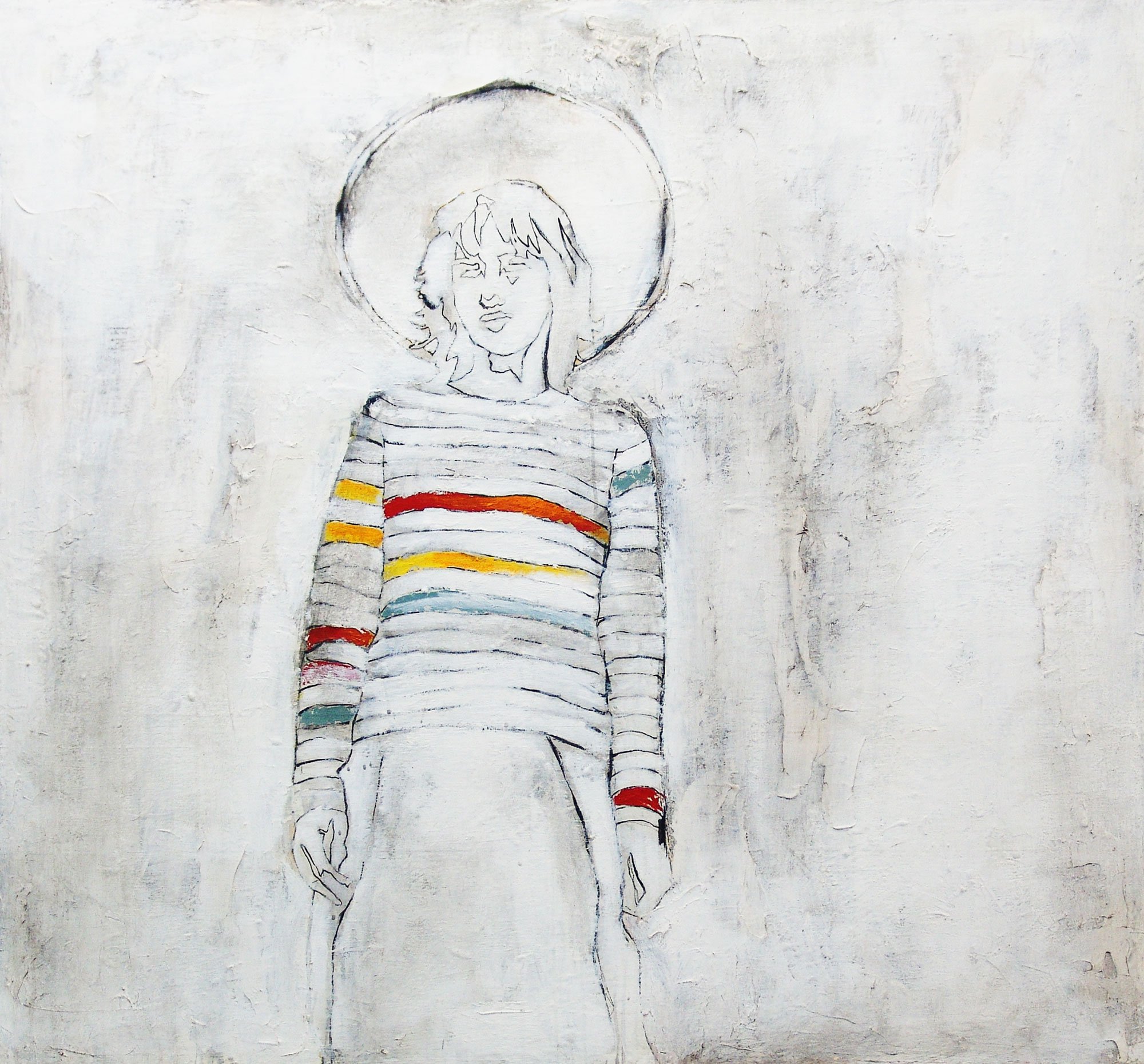
I often erase identities from old photographs, leaving behind fragmented figures that feel ghostlike or unresolved. Pixelation, empty rooms, and architectural spaces recur throughout the work as references to degraded memory, transition, isolation, and imposed order.

I wanted to be an architect when I was young, and I still find comfort in structure and repetition. In some ways, making these images becomes a way of imposing tangible order onto unstable memories and experiences.

Certain forms repeat throughout the work—skeletons, figures, patterns—like a favorite song replayed endlessly or stars returning over Orion’s shoulder. Repetition mirrors the persistence of memory, while the unknown reflects the instability of the present and whatever comes next.

EXHIBITIONS

INTERVIEWS

PIGMENT TRANSFER PROCESS

PRESS PDF

FAQ